Saving the Ghost of the Iberian Peninsula: The Inspiring Story of the World’s Most Endangered Feline
Introduction to the Iberian Lynx As veterinary professionals and passionate wildlife advocates, we are continually captivated by the rich diversity of our planet’s felid species. Among them, the Iberian lynx (Lynx pardinus) stands out not only for its striking beauty but also for its precarious position on the brink of extinction. Distinguished easily from its […]
Introduction to the Iberian Lynx
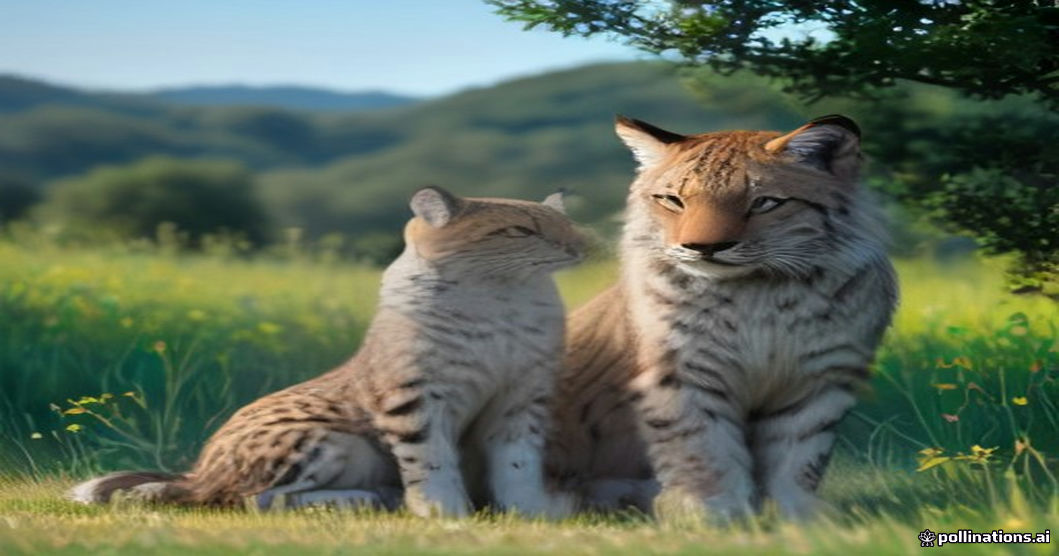
As veterinary professionals and passionate wildlife advocates, we are continually captivated by the rich diversity of our planet’s felid species. Among them, the Iberian lynx (Lynx pardinus) stands out not only for its striking beauty but also for its precarious position on the brink of extinction. Distinguished easily from its larger relative, the Eurasian lynx, this magnificent cat features a lighter coat adorned with prominent, leopard-like spots. As winter approaches, its fur undergoes a seasonal shift, becoming noticeably duller and thinner. Reaching roughly half the size of the Eurasian lynx, this agile predator is finely tuned to its native Mediterranean ecosystem.
Specialized Diet and Ecological Role
From an ecological and nutritional standpoint, the Iberian lynx is a specialized hunter. Its survival is almost entirely dependent on one specific food source: the European rabbit. Small game, particularly rabbits and hares, constitute an astounding 90% of the Iberian lynx’s daily diet. While they are primarily adapted for small-game hunting, they are opportunistic enough to occasionally take down young deer when prey availability fluctuates. This heavy reliance on rabbit populations, however, has historically made them exceptionally vulnerable to diseases like rabbit hemorrhagic disease and myxomatosis, which decimated local prey populations and, consequently, pushed the lynx dangerously close to total collapse.
Habitat and Distribution
Spotting an Iberian lynx in the wild is one of the ultimate, yet increasingly rare, challenges for wildlife enthusiasts and researchers alike. Today, their natural habitat is strictly restricted to specific pockets of the Iberian Peninsula. Their primary strongholds are located within the rugged mountainous regions of Spain, complemented by a vital, closely monitored population residing in the unique wetland ecosystems of Doñana National Park. These varied landscapes provide the dense scrubland and cover that these secretive cats require for hunting, resting, and raising their young.
Conservation Status and Hope for the Future
The conservation status of the Iberian lynx is a poignant reminder of human impact on wildlife. For many years, estimates suggested that critically few of these stunning creatures remained in the wild, hovering perilously near the 150 adult mark. However, thanks to tireless, multi-national conservation initiatives—including captive breeding programs, habitat restoration, and strict anti-poaching laws—we are beginning to witness a glimmer of hope. Dedicated veterinary care, reintroduction efforts, and disease management for prey species are slowly helping populations rebound. Protecting the Iberian lynx is not just about saving a single species; it is about preserving the rich natural heritage of the Mediterranean wilderness for generations to come.
Written by Mohammed Murtaja
Editor-in-Chief & Executive Publisher of ZooPulse. Senior investigative journalist directing evidence-based research, veterinary science verification, and editorial governance.
Related Stories
 Animal News
Paws in the Snow: Canine Care and Veterinary Insights from Arctic Tromsø, Norway
Introduction to Arctic Pet Ownership High above the Arctic Circle lies Tromsø, Norway, a breathtaking city known for its stunning fjords, vibrant culture, and mesmerizing Northern Lights. But for local veterinarians and pet owners, Tromsø is also a unique environment that presents distinct challenges and rewards for animal health and canine care. From navigating deep […]
 Animal News
Understanding the Crocodile Gallop in Dogs: What Veterinary Science Tells Us
When observing dogs in motion, we often marvel at their agility, speed, and diverse running styles. While most pet owners are familiar with the standard trot or double-suspension gallop, there is a fascinating and specific locomotive pattern known as the “crocodile gallop.” As a veterinarian, I often get asked what this unique movement means for […]
 Animal News
The Ultimate Guide to Red-Eared Slider Turtles: Care, Habitat, and Health
Introduction to the Red-Eared Slider The Red-Eared Slider turtle (Trachemys scripta elegans) is one of the most popular and recognizable aquatic turtle species in the world. Named for the distinct red or orange stripe located just behind each eye and their ability to quickly slide off rocks and logs into the water, these fascinating reptiles […]