The Architectural Genius of Burrows: Understanding Your Small Pet’s Underground Instincts
The Subterranean Marvel of Wild Burrows In the wild, European rabbits (the ancestors of our domestic companions) and other fossorial small mammals engineer subterranean complexes that are true marvels of natural architecture. Extending up to two meters beneath the surface, these extensive tunnel networks, known as warrens, feature interconnected living chambers, dedicated nesting areas, and […]
The Subterranean Marvel of Wild Burrows
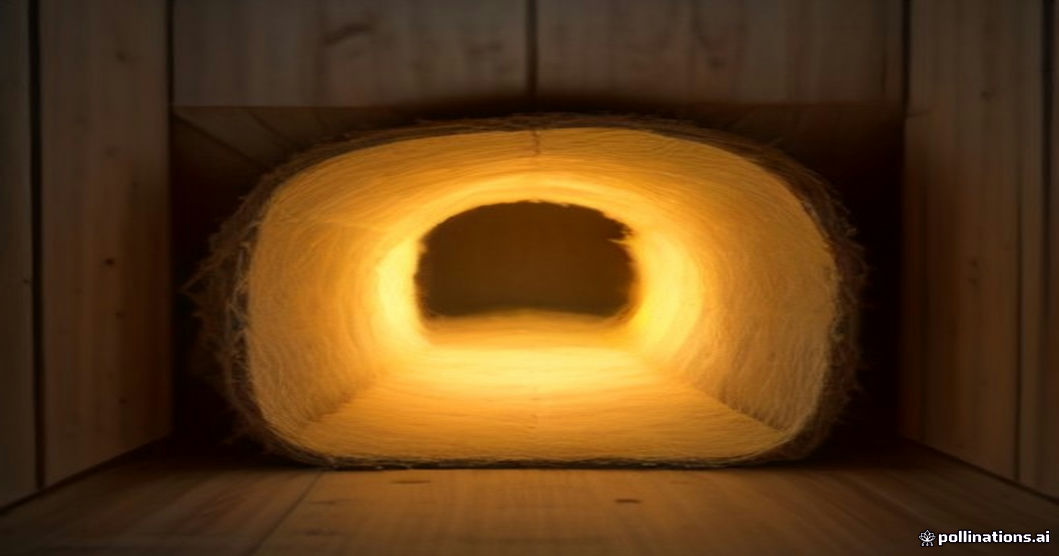
In the wild, European rabbits (the ancestors of our domestic companions) and other fossorial small mammals engineer subterranean complexes that are true marvels of natural architecture. Extending up to two meters beneath the surface, these extensive tunnel networks, known as warrens, feature interconnected living chambers, dedicated nesting areas, and multiple emergency bolt holes. This depth provides critical thermoregulation—insulating inhabitants against sweltering summer heat and freezing winter winds—while the labyrinthine design offers an impenetrable fortress against surface predators.
The Dual Role of Safety and Social Structure
Beyond physical defense and climate control, burrows function as the nucleus of small mammal social life. A warren is rarely the home of an isolated individual; rather, it supports established familial colonies with defined hierarchies. Communal living beneath the soil allows animals to share sentry duties, groom one another, and reinforce social bonds in a secure, quiet environment. Multiple exits and blind tunnels are tactically engineered to allow submissive group members to avoid dominant individuals, drastically reducing territorial stress within the colony.
Enrichment and the Domestic Instinct
Even though our domestic pets live comfortably indoors or in secure outdoor enclosures, millions of years of evolutionary wiring do not simply disappear. Modern pet rabbits, ferrets, and small rodents retain powerful intrinsic urges to dig, tunnel, and establish safe perimeters. When these natural behavioral drives are suppressed due to barren environments, pets frequently develop stereotypic behaviors, including destructive carpet chewing, bar biting, or chronic anxiety.
Creating Safe Burrowing Experiences at Home
As responsible caregivers, accommodating this biological necessity is essential for behavioral health. Pet parents can simulate burrow dynamics safely by providing structured enrichment. Digging boxes filled with child-safe play sand, shredded untreated paper, or sterilized organic potting soil allow pets to express their digging instincts without harming home furnishings. Modular cardboard tunnels, flexible willow arches, and fabric agility tubes can replicate the narrow, secure corridors of natural underground chambers, giving your pet the comfort of subterranean retreat.
Veterinary Health and Burrowing Habits
Monitoring your pet’s engagement with their environment provides critical diagnostic insight into their overall well-being. A sudden cessation in digging or exploration can signify underlying musculoskeletal pain, osteoarthritis, or pododermatitis (sore hocks), which make weight-bearing digging motions painful. Conversely, frantic or obsessive burrowing can indicate elevated stress levels or an absence of adequate safe zones. By understanding the deep-rooted evolutionary purpose of burrows, we can create enriching habitats that promote both physical vigor and emotional serenity in our small companions.
Written by bktjq
Specialized contributor for ZooPulse covering domestic animal medicine, zoological research, and wildlife habitat dynamics.
Related Stories
 Animal News
Mastering the Art of Canine Cleanliness: Insights from a Professional Grooming Lesson
As a veterinarian and pet care advocate, I always emphasize that grooming is much more than just keeping our furry companions looking their best—it is an essential pillar of their overall health and well-being. Recently, I attended an intensive hands-on washing and bathing lesson led by master groomers, and the experience reinforced just how nuanced […]
 Animal News
Exploring Loch Achtriochtan: A Veterinary Perspective on Hiking Safely with Your Dog in Glencoe
Nestled in the breathtaking heart of Scotland’s dramatic Glencoe valley, the picturesque mountain lake of Loch Achtriochtan is a renowned haven for landscape photographers and outdoor enthusiasts alike. Surrounded by majestic, rugged peaks and tranquil waters, it offers an idyllic escape into nature. However, for pet parents and animal health enthusiasts, exploring this stunning Highland […]
 Animal News
The Brazilian Dwarf Gecko: Nature’s Microscopic Water Walker and Survival Expert
Meet the Brazilian Dwarf Gecko In the vast and biodiverse realm of the Amazon rainforest, diminutive wonders often go unnoticed. Among the most fascinating of these micro-fauna is the Brazilian Dwarf Gecko (Coleodactylus amazonicus). Growing to a staggering maximum length of just 24 mm—about 2.5 cm including its tail—this minuscule reptile is one of the […]