The Art of Feeding Your Aquatic Companions: More Than Just a Daily Chore
Understanding the Nutritional Needs of Fish Feeding your fish is often the highlight of being an aquarium hobbyist, but it is also the most critical aspect of maintaining a healthy ecosystem. While it may seem like a simple routine, providing the correct nutrition is the cornerstone of fish health, vibrant coloration, and long-term vitality. Understanding […]
Understanding the Nutritional Needs of Fish
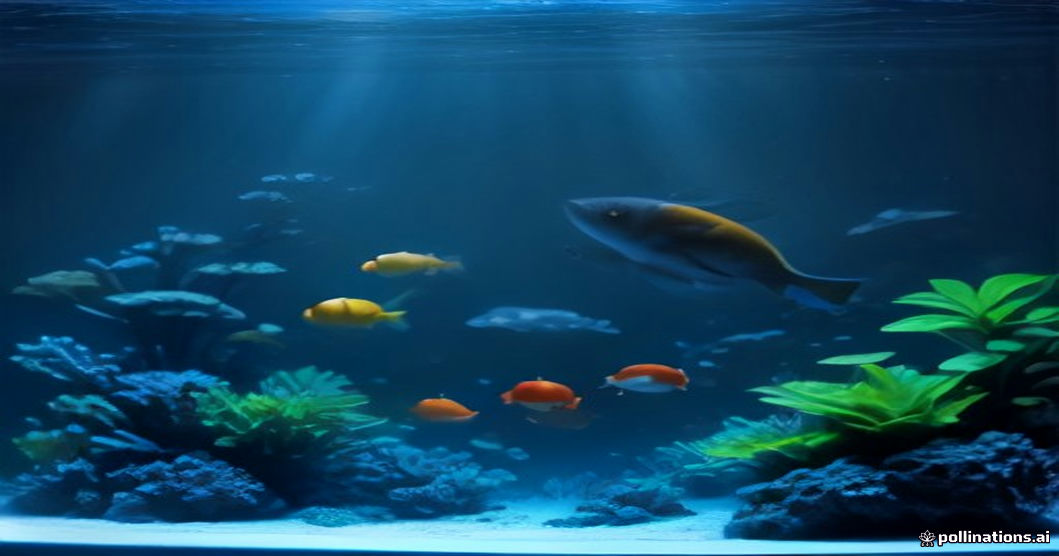
Feeding your fish is often the highlight of being an aquarium hobbyist, but it is also the most critical aspect of maintaining a healthy ecosystem. While it may seem like a simple routine, providing the correct nutrition is the cornerstone of fish health, vibrant coloration, and long-term vitality. Understanding that not all fish species are the same is your first step toward becoming a responsible aquarist.
The Importance of Species-Specific Diets
Fish have evolved to thrive on vastly different diets. Herbivorous species, such as some Plecostomus or Mbuna cichlids, require plant-based matter to support their digestive health. Conversely, carnivorous fish like bettas or oscars demand high-protein diets rich in amino acids. Providing an improper diet can lead to bloating, lethargy, and a weakened immune system. Always research your specific fish species to ensure you are selecting high-quality pellets, flakes, or frozen foods tailored to their biological needs.
The Golden Rule: Quality Over Quantity
One of the most common mistakes beginners make is overfeeding. It is essential to remember that fish have small stomachs; offering more food than they can consume in two minutes leads to excess waste. This waste breaks down into ammonia and nitrates, which can quickly degrade your water quality and stress your aquatic pets. As a veterinarian, I recommend a ‘less is more’ approach—feed small amounts twice daily and monitor the water parameters closely.
Building a Bond Through Routine
Feeding time is the perfect opportunity to observe your fish for signs of illness. A healthy fish will respond enthusiastically to food. If you notice a fish avoiding the meal, acting sluggish, or showing unusual swimming patterns, these are early red flags that warrant a closer inspection of your tank environment. By observing them closely during feeding, you aren’t just nourishing them; you are actively practicing preventative healthcare.
Written by Mohammed Murtaja
Editor-in-Chief & Executive Publisher of ZooPulse. Senior investigative journalist directing evidence-based research, veterinary science verification, and editorial governance.
Related Stories
 Uncategorized
The Leviathan of the Deep: Unveiling the Mastery of the Megalodon
The Unrivaled Apex Predator of the Ancient Seas The Otodus megalodon remains the most formidable marine predator to have ever patrolled the Earth’s oceans. Reaching staggering lengths of 15 to 20 meters, this prehistoric giant was not merely a large shark; it was an anatomical masterpiece of evolution designed for total dominance. To visualize its […]
 Uncategorized
Mastering the Art of Canine Cleanliness: Insights from a Professional Grooming Lesson
As a veterinarian and pet care advocate, I always emphasize that grooming is much more than just keeping our furry companions looking their best—it is an essential pillar of their overall health and well-being. Recently, I attended an intensive hands-on washing and bathing lesson led by master groomers, and the experience reinforced just how nuanced […]
 Uncategorized
The Majestic Zebrasoma Desjardinii: Nature’s Reef Caretaker
Introduction to the Zebrasoma Desjardinii The Zebrasoma desjardinii, commonly known as the Red Sea Sailfin Tang, is one of the most stunning and beneficial additions to a marine saltwater aquarium. As a prominent member of the surgeonfish family, this magnificent creature combines striking aesthetics with a hardworking attitude towards tank maintenance. Natural Habitat and Algae […]