The Bongo Antelope: Anatomy, Ecology, and Adaptations of Africa’s Striking Forest Dweller
Venture deep into the dense lowland canopies and mist-shrouded montane forests of Central Africa, and you may encounter one of the natural world’s most breathtaking ungulates: the bongo antelope (Tragelaphus eurycerus). Ranging from Sierra Leone in West Africa eastward through the Congo Basin to the highlands of Kenya and Uganda, the bongo represents a pinnacle […]
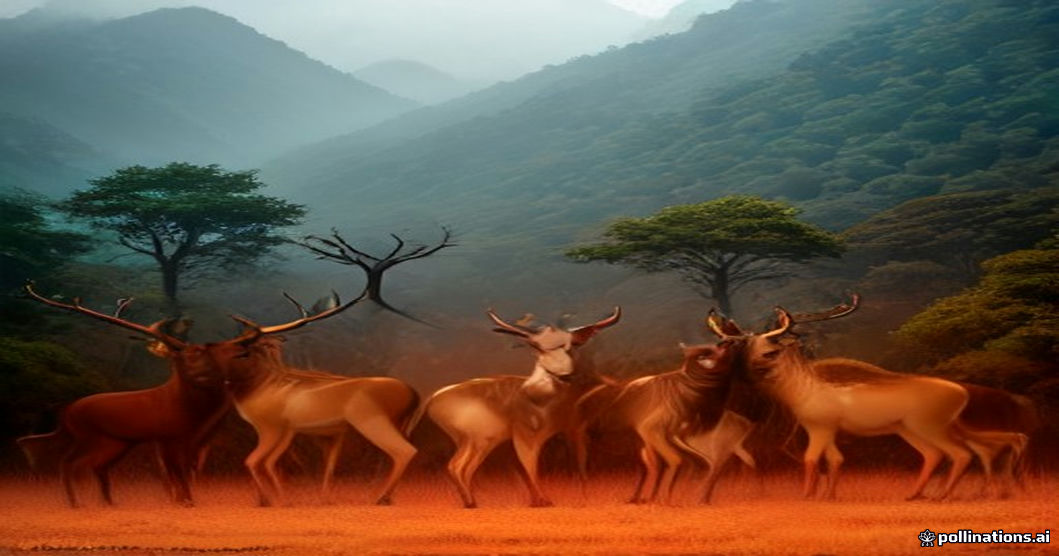
Venture deep into the dense lowland canopies and mist-shrouded montane forests of Central Africa, and you may encounter one of the natural world’s most breathtaking ungulates: the bongo antelope (Tragelaphus eurycerus). Ranging from Sierra Leone in West Africa eastward through the Congo Basin to the highlands of Kenya and Uganda, the bongo represents a pinnacle of evolutionary adaptation to life within dense, challenging jungle ecosystems.
Distinguishing Physical Characteristics
The bongo is among the largest of all forest antelopes, with adult specimens weighing up to 200 kilograms (440 pounds) and standing between 100 and 130 centimeters at the shoulder. Both males and females carry long, slightly spiraled horns that can exceed one meter in length. These horns tilt backward over the neck, an anatomical trait that prevents entanglement as the animal maneuvers through tangled undergrowth.
Equally mesmerizing is their striking pelage. Bongos possess a vibrant, oily chestnut-red coat adorned with 10 to 15 vertical white stripes along their flanks, serving as disruptive camouflage beneath dappled forest sunlight. Additional markings include white chevrons across the face, white patches on the legs, a distinctive half-moon marking on the chest, and a short, stiff dorsal crest running the length of the spine.
Habitat, Altitudinal Range, and Seasonal Migration
Unlike savannah-dwelling bovids, bongos thrive exclusively in dense tropical rainforests and secondary growth zones rich in bamboo and tangled vines. Remarkably, these robust animals can ascend to montane cloud forests up to 3,000 meters above sea level.
To cope with fluctuating environmental resources, bongos exhibit distinct seasonal migration patterns. During dry periods, they migrate upward into high-elevation mountain forests to forage on moisture-rich upland foliage. When the rainy season arrives, herds descend toward expansive river valleys and floodplains where emergent vegetation and nutrient-rich forage become abundant.
Nutritional Ecology and Foraging Behavior
From a dietary perspective, bongos are selective generalist browsers. Their high-crowned molars and flexible prehensile tongues are expertly adapted for stripping leaves, fresh shoots, creepers, and wild grasses. To fulfill vital micronutrient requirements, bongos actively seek out natural mineral licks, salt-rich riverbanks, and even burnt trees left by lightning strikes, consuming mineralized charcoal to aid digestion and neutralize secondary plant toxins.
Remarkable Agility and Veterinary Considerations
Despite their substantial mass and muscular build, bongos possess extraordinary biomechanical agility. They are agile climbers, capable of navigating steep, rocky inclines and jumping over deadfall with effortless coordination. When alarmed, they tilt their heads backward—laying their horns flush against their spine—and sprint through dense thickets at remarkable speeds.
From an animal health and conservation standpoint, bongo populations face serious challenges. Fragmentation of ancient forests restricts their migratory routes and reduces genetic diversity. Moreover, like many wild ungulates, bongos are highly susceptible to infectious livestock diseases such as rinderpest and bovine viral diarrhea. Preserving intact ecological corridors and preventing pathogen spillover from domestic ruminants remains critical to ensuring the survival of this magnificent forest marvel.
Written by Mohammed Murtaja
Editor-in-Chief & Executive Publisher of ZooPulse. Senior investigative journalist directing evidence-based research, veterinary science verification, and editorial governance.
Related Stories
 Uncategorized
Tropical Pet Care in Phang Nga, Thailand: A Veterinary Guide to Keeping Pets Safe in Paradise
Adapting to the Tropical Climate of Phang Nga Phang Nga, situated along the Andaman coast of southern Thailand, is renowned for its breathtaking limestone karsts, lush mangrove forests, and pristine beaches. However, this tropical environment presents distinct physiological challenges for domestic pets. High ambient temperatures coupled with intense relative humidity impede a pet’s natural thermoregulation […]
 Uncategorized
Understanding Alpaca Lifespan: How to Ensure a Long and Healthy Life in Captivity
Introduction to Alpaca Longevity Alpacas are known for their gentle demeanor, luxurious fleece, and inquisitive nature. For those considering raising these charming camelids, understanding their long-term commitment is essential. In captivity, alpacas typically live for about 20 years, making them a long-term companion and a significant responsibility for any hobby farmer or livestock owner. Factors […]
 Uncategorized
Mastering the Art of Canine Cleanliness: Insights from a Professional Grooming Lesson
As a veterinarian and pet care advocate, I always emphasize that grooming is much more than just keeping our furry companions looking their best—it is an essential pillar of their overall health and well-being. Recently, I attended an intensive hands-on washing and bathing lesson led by master groomers, and the experience reinforced just how nuanced […]