Understanding Alpaca Lifespan: How to Ensure a Long and Healthy Life in Captivity
Introduction to Alpaca Longevity Alpacas are known for their gentle demeanor, luxurious fleece, and inquisitive nature. For those considering raising these charming camelids, understanding their long-term commitment is essential. In captivity, alpacas typically live for about 20 years, making them a long-term companion and a significant responsibility for any hobby farmer or livestock owner. Factors […]

Introduction to Alpaca Longevity
Alpacas are known for their gentle demeanor, luxurious fleece, and inquisitive nature. For those considering raising these charming camelids, understanding their long-term commitment is essential. In captivity, alpacas typically live for about 20 years, making them a long-term companion and a significant responsibility for any hobby farmer or livestock owner.
Factors Influencing an Alpaca’s Lifespan
Achieving that impressive two-decade milestone depends heavily on proper management and care. Several key factors influence an alpaca’s overall health and longevity, including nutrition, parasite control, shelter, and stress management. Because they are prey animals, minimizing environmental stress is vital for their immune system and overall well-being.
Nutritional Needs and Healthcare
A balanced diet is the cornerstone of a long, healthy life for an alpaca. Primarily grazers, they require high-quality grass hay, fresh water, and specifically formulated alpaca grains to supplement essential vitamins and minerals like Vitamin D and selenium, which are often lacking in certain soils. Routine veterinary care, including vaccinations, dental checks, and regular shearing to prevent heat stress, will ensure your herd thrives for years to come.
Written by Mohammed Murtaja
Editor-in-Chief & Executive Publisher of ZooPulse. Senior investigative journalist directing evidence-based research, veterinary science verification, and editorial governance.
Related Stories
 Uncategorized
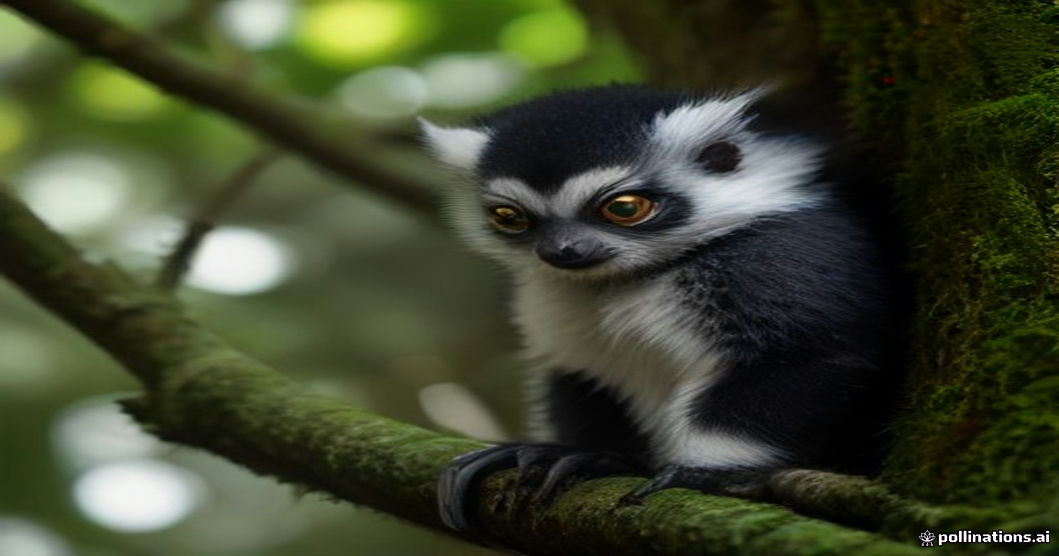
The Singing Giant of Madagascar: An In-Depth Look at the Short-Tailed Indri (Indri indri)
Deep within the mist-shrouded montane rainforests of northeastern Madagascar resides one of the most enigmatic and physically remarkable primates on Earth: the Indri (Indri indri), often referred to locally as the Babakoto. Standing as the largest extant species of lemur, the Indri occupies a distinctive ecological niche. Unlike its smaller, long-tailed relatives, the Indri possesses […]
 Uncategorized
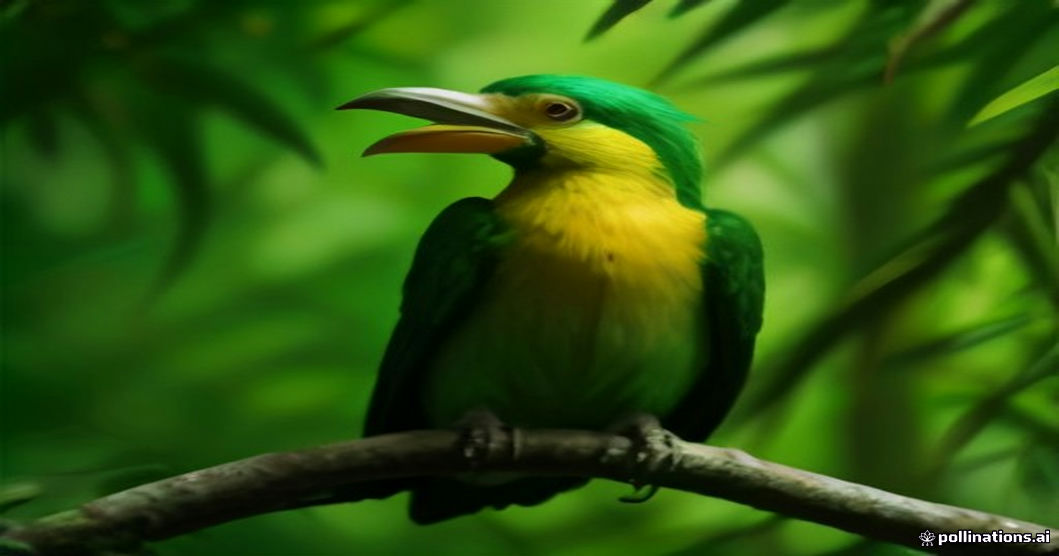
Discover the Spotted-Billed Toucanet: Jewel of the Atlantic Forest
Introduction to the Spotted-Billed Toucanet The Spotted-Billed Toucanet (Selenidera maculirostris) is a breathtaking avian species belonging to the iconic toucan family, Ramphastidae. Known for their vibrant plumage and fascinating behaviors, these birds are true jewels of the rainforest canopy. Habitat and Geographic Distribution Native to the lush Atlantic forests of southeastern Brazil, extending down into […]
 Uncategorized
The Early Bird Gets the Worm: Understanding Duck Foraging Behavior and Nutrition
When you spot a duck diligently dabbling and searching for its morning meal, you are witnessing millions of years of evolutionary adaptation in action. As a veterinarian and pet care expert, I often remind bird owners and enthusiasts that a duck’s morning foraging routine is much more than just a cute backyard spectacle—it is a […]