The Curious Case of the Greedy Squirrel: A Veterinarian’s Guide to Wildlife Foraging Hazards
The Backyard Acrobat Squirrels are renowned for their agility, intelligence, and seemingly bottomless stomachs. In the wild, their relentless foraging is a survival strategy. However, when these bushy-tailed acrobats come into contact with human environments, their greed can lead them to adopt risky behaviors—what animal behaviorists affectionately term ‘forbidden techniques’ to raid bird feeders, garbage […]

The Backyard Acrobat
Squirrels are renowned for their agility, intelligence, and seemingly bottomless stomachs. In the wild, their relentless foraging is a survival strategy. However, when these bushy-tailed acrobats come into contact with human environments, their greed can lead them to adopt risky behaviors—what animal behaviorists affectionately term ‘forbidden techniques’ to raid bird feeders, garbage cans, and kitchen pantries.
Nutritional Pitfalls and Toxicity
While a squirrel’s digestive system is robust, it is not invincible. When a greedy squirrel bypasses its natural diet of nuts, seeds, and fungi to consume processed human foods, sugary treats, or toxic garden plants, the consequences can be severe. Chocolate, salty snacks, and items containing xylitol can be just as dangerous to visiting wildlife as they are to our domestic pets. Furthermore, overindulging in high-fat birdseed can lead to severe gastrointestinal distress and long-term metabolic issues.
Protecting Wildlife and Pets
As pet owners and animal lovers, it is essential to secure potential food hazards in our yards. Unsecured garbage, accessible pet food left outdoors, and toxic rodenticides pose a dual threat to both urban wildlife and curious dogs and cats. If you spot a wildlife visitor displaying unusual lethargy, neurological symptoms, or signs of poisoning after a raid on your pantry, contact a local wildlife rehabilitator or veterinarian immediately for guidance.
Written by Mohammed Murtaja
Editor-in-Chief & Executive Publisher of ZooPulse. Senior investigative journalist directing evidence-based research, veterinary science verification, and editorial governance.
Related Stories
 Uncategorized
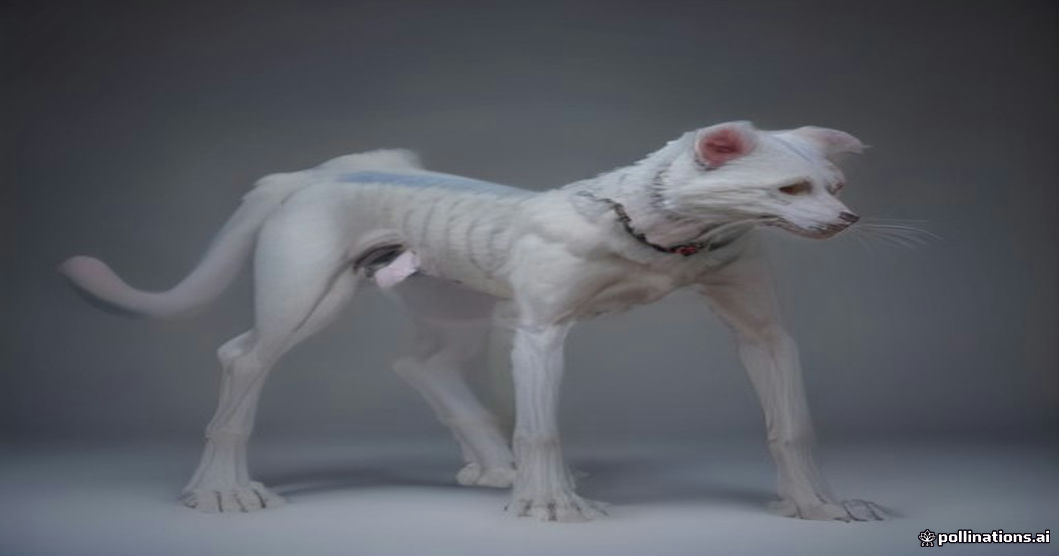
An Architectural Wonder: The Bio-Mechanics and Anatomy of Our Animal Companions
When we look at our pets, we often see furry family members, playful companions, and loyal friends. However, from a veterinary perspective, every animal is a breathtaking architectural wonder. The intricate design of the animal body is a masterclass in bio-mechanics, perfectly optimized for survival, agility, and grace. The Skeletal Masterpiece: Strength Meets Flexibility At […]
UncategorizedFrench Middle Earth: Canine Chronicles from the Shire to Mordor
When we think of legendary landscapes, our minds often wander to the mythical hills of J.R.R. Tolkien’s Middle Earth. However, for pet owners and canine enthusiasts alike, there is a very real, uniquely charming subculture affectionately dubbed ‘French Middle Earth.’ This whimsical concept bridges the gap between our beloved French Bulldogs and the epic, adventurous […]
 Uncategorized
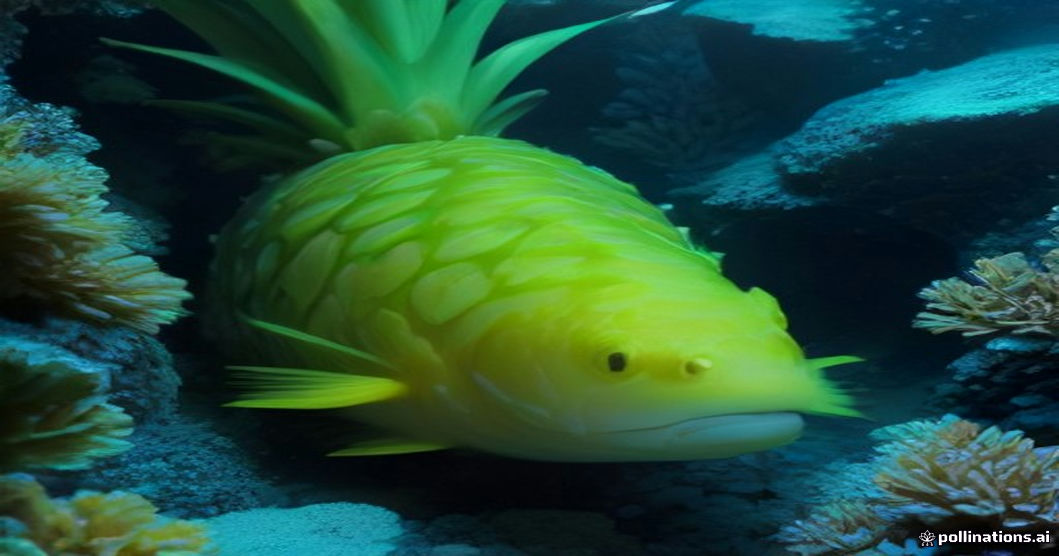
The Australian Pineapple Fish: Nature’s Armor-Plated Living Lantern
Beneath the coastal waters of Australia resides one of the ocean’s most extraordinary teleost species: the Australian pineapple fish (Cleidopus gloriamaris). Aptly nicknamed for its striking resemblance to the tropical fruit, this unique marine creature captivates marine biologists, aquatic veterinarians, and scuba divers alike with its armored physique and specialized evolutionary adaptations. An Armor-Clad Marine […]