The Hyperactive Forager: Understanding Squirrel Metabolism, Energy Expenditure, and Dietary Needs
Watching a squirrel sprint up a vertical tree trunk, leap across yawning canopy gaps, and twitch its tail with unrelenting alertness can leave any observer breathless. It is natural to assume that an animal displaying such relentless, explosive energy must consume vast quantities of food around the clock. As wildlife veterinarians and animal physiologists, unpacking […]
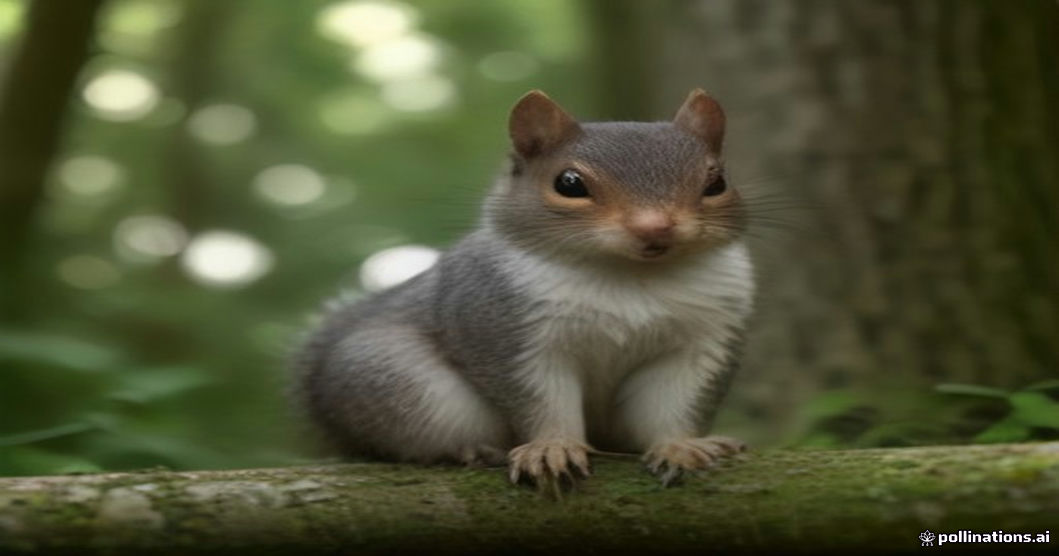
Watching a squirrel sprint up a vertical tree trunk, leap across yawning canopy gaps, and twitch its tail with unrelenting alertness can leave any observer breathless. It is natural to assume that an animal displaying such relentless, explosive energy must consume vast quantities of food around the clock. As wildlife veterinarians and animal physiologists, unpacking the relationship between a squirrel’s frantic kinetic output and its nutritional intake reveals a fascinating biological story of metabolic adaptation, energy conservation, and dietary precision.
The High-Octane Engine: Sciurid Metabolic Rates
Squirrels belong to the rodent family Sciuridae, a group characterized by a remarkably high basal metabolic rate (BMR) relative to their small body mass. Small mammals lose body heat rapidly due to a high surface-area-to-volume ratio. To maintain a stable core body temperature of roughly 99 to 102 degrees Fahrenheit while powering specialized fast-twitch arboreal muscles, their biological systems must continuously process energy at an intense rate.
However, the idea that a squirrel must eat an overwhelming bulk of food is slightly misleading. Rather than relying on sheer volume, squirrels depend heavily on nutrient and caloric density. A typical adult tree squirrel consumes roughly one to two pounds of food per week, which accounts for approximately 60 to 100 percent of its total body weight across seven days. In human terms, that is roughly equivalent to an average adult eating over twenty pounds of groceries every day.
Quality Over Quantity: The Caloric Architecture of a Squirrel’s Diet
A squirrel’s digestive system is compact and monogastric, meaning it cannot process low-quality, fibrous roughage with the high efficiency of an ungulate or lagomorph. Consequently, squirrels are selective foragers focused on energy-dense staples that yield maximum calories per bite.
In the wild, their diet consists primarily of tree nuts such as walnuts, acorns, pecans, and hickory nuts, which are rich in natural fats and lipid-soluble nutrients. They balance these energy reservoirs with seeds, tender plant buds, fungi, wild berries, and occasionally animal protein such as insects, bird eggs, or small invertebrates. Fats provide more than double the energy per gram compared to carbohydrates and proteins, serving as the rocket fuel that sustains their dynamic acrobatics without overloading their digestive tracts.
The Illusion of Constant Eating: Cache and Scatter Foraging
Much of what humans perceive as relentless feeding behavior is actually food management. Tree squirrels are prolific scatter-hoarders. When an observer watches a squirrel frantically digging or carrying one morsel after another, the animal is frequently caching resources for future survival rather than consuming them on the spot.
This hoarding behavior is chemically and behaviorally driven by photoperiod and hormonal changes, especially in late summer and autumn. Squirrels evaluate the spoil potential of each item; nuts rich in tannins, like red oak acorns, are buried because they store well without rotting, whereas perishable items like white oak acorns are consumed immediately. This calculated resource distribution ensures they maintain sufficient caloric input through freezing winter months without depleting their internal reserves.
Clinical Wildlife Note: The Threat of Metabolic Bone Disease
When well-meaning humans attempt to feed squirrels or nurse orphaned kits, understanding their nutritional requirements becomes a matter of life and death. One of the most prevalent clinical conditions seen by wildlife rehabilitators is Metabolic Bone Disease (MBD), or nutritional secondary hyperparathyroidism.
If squirrels are offered a diet composed solely of grocery-store sunflower seeds, corn, or peanuts, they experience an inverted calcium-to-phosphorus ratio. Their bodies compensate by leeching calcium directly from the skeleton to preserve vital neurological and muscular functions, leading to spontaneous fractures, paralysis, seizures, and eventual death. Sustaining that famous squirrel energy requires not just raw calories, but meticulously balanced micronutrients, particularly bioavailable calcium and vitamin D.
Supporting Local Wildlife Responsibly
If you enjoy observing the acrobatic antics of your backyard squirrels, the best way to support their energy needs is by maintaining natural habitats. Planting native hardwood trees, preserving mature oaks, and leaving dead branches where safe provides both natural foraging grounds and nesting hollows.
Supplemental feeding should be kept minimal and natural. If you choose to offer treats, stick to whole, raw nuts in their shells—such as hazelnuts or walnuts—which challenge their jaw muscles and wear down their continuously growing incisors. Ultimately, a squirrel’s boundless energy is a finely tuned evolutionary balance between high-efficiency foraging, compact physiological power, and dense caloric fuel.
Written by Mohammed Murtaja
Editor-in-Chief & Executive Publisher of ZooPulse. Senior investigative journalist directing evidence-based research, veterinary science verification, and editorial governance.
Related Stories
 Animal News
What Are You? Decoding the Mysterious World of Canine and Feline Communication
Introduction: The Age-Old Question As pet care experts and veterinarians, we often find ourselves playing the role of translator between two entirely different species. When we look into our pets’ eyes, we might jokingly ask, ‘What are you? A tiny furry dictator, or a sweet angel?’ But behind this playful question lies a profound truth: […]
 Animal News
The Joyful World of Otter Dances: Behavior, Play, and Animal Health
Understanding the Playful Nature of Otters When we think of aquatic mammals, few capture our hearts quite like the otter. Known for their intelligence, sleek agility, and endearing antics, otters frequently engage in a behavior that observers affectionately call the ‘otter dance.’ Whether spinning in the water, rolling on riverbanks, or sliding down muddy slopes, […]
 Animal News
Majestic Realms: Understanding the Health and Well-Being of Guard and Estate Dogs
When we envision the grandeur of historic castles, we often picture towering stone walls, sweeping courtyards, and centuries of rich history. However, these magnificent estates were rarely empty; they were historically guarded and accompanied by powerful, noble breeds of dogs designed to protect these vast territories. The Legacy of Estate Guardians From the Mastiff pacing […]