The Incredible Survival Tactics of the Galapagos Sally Lightfoot Crab
Nature’s Ultimate Escape Artists In the dramatic volcanic landscapes of the Galapagos Islands, survival requires extraordinary measures. Picture the scene: Grapsus grapsus crabs leaping desperately from rock to rock, avoiding the crashing waves below. For these remarkable crustaceans, staying out of the water is quite literally a matter of life and death. A Terrifying Aquatic […]
Nature’s Ultimate Escape Artists
In the dramatic volcanic landscapes of the Galapagos Islands, survival requires extraordinary measures. Picture the scene: Grapsus grapsus crabs leaping desperately from rock to rock, avoiding the crashing waves below. For these remarkable crustaceans, staying out of the water is quite literally a matter of life and death.
A Terrifying Aquatic Ambush
The ocean holds formidable dangers for the coastal dweller. Imagine a moray eel (Echidna catenata) bursting suddenly from the water with jaws wide open, accompanied by a hunting octopus. Together, these opportunistic predators crawl onto land to set an amphibious ambush, turning the rocky shoreline into a high-stakes battlefield.
Why Do They Call Them Sally Lightfoot?
Locals and wildlife experts alike refer to these vibrant creatures as Lightfoot Crabs, or more famously, Sally Lightfoot crabs. Named after spirited Caribbean dancers, they earned this moniker due to their astonishing agility. They can run, jump, and effortlessly climb vertical rock slopes with breathtaking speed and balance.
Mastering the Coastal Environment
As a veterinary and animal health expert, observing such specialized adaptations is truly fascinating. This extreme agility is not just for show; it is an evolutionary necessity. Their lightning-fast reflexes and unique physical traits make them notoriously hard to catch for predators like marine iguanas, herons, and unexpected terrestrial hunters, ensuring the species continues to thrive in one of the planet’s most challenging environments.
Written by Mohammed Murtaja
Editor-in-Chief & Executive Publisher of ZooPulse. Senior investigative journalist directing evidence-based research, veterinary science verification, and editorial governance.
Related Stories
 Uncategorized
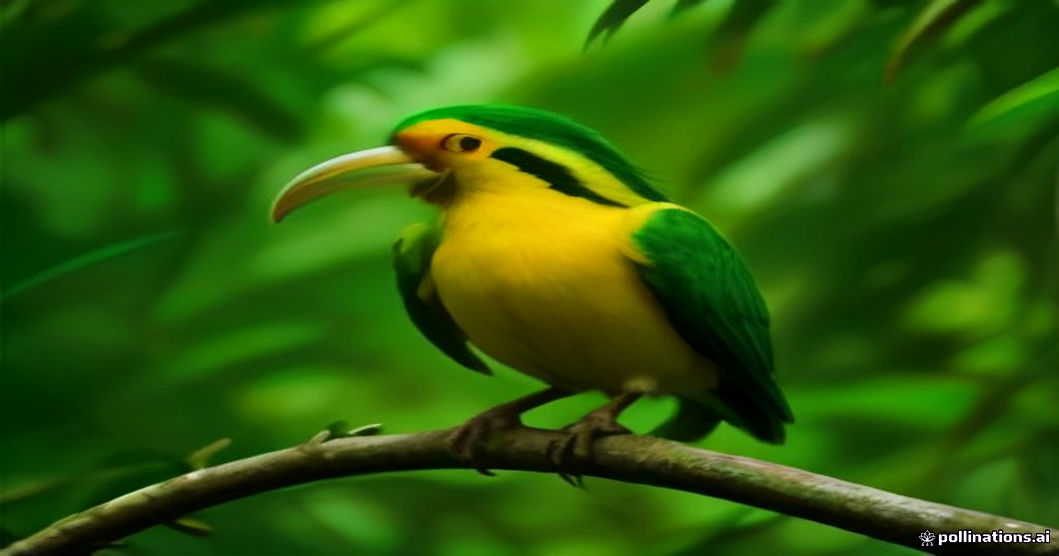
Avian Jewel of South America: The Golden-Breasted Toucanet
Introduction to the Saffron Beauty The Golden-breasted Toucanet, scientifically known as Pteroglossus bailloni and often referred to as the Saffron Toucanet, is one of the most vibrant and captivating avian species native to South America. Found primarily in the dense tropical rainforests of southeastern Brazil, eastern Paraguay, and Argentina’s Misiones Province, this stunning bird is […]
 Uncategorized
Exploring the Rock of Cashel: A Veterinary and Pet-Friendly Journey Through Ireland’s Ancient History
When travelers think of Ireland’s most iconic historical landmarks, the majestic Rock of Cashel—also famously known as St. Patrick’s Rock, situated in the heart of Cashel, Ireland—immediately comes to mind. Rising high above the Tipperary plains, this medieval architectural wonder offers breathtaking views and a deep dive into ecclesiastical history. But for animal lovers and […]
 Uncategorized
Mastering the Art of Canine Cleanliness: Insights from a Professional Grooming Lesson
As a veterinarian and pet care advocate, I always emphasize that grooming is much more than just keeping our furry companions looking their best—it is an essential pillar of their overall health and well-being. Recently, I attended an intensive hands-on washing and bathing lesson led by master groomers, and the experience reinforced just how nuanced […]