The Majestic Giant Seychelles Tortoise: Care, Biology, and Longevity
Introduction to the Giant Seychelles Tortoise The Giant Seychelles Tortoise, scientifically known as Aldabrachelys gigantea, is a magnificent and fully terrestrial reptile that captures the imagination of animal lovers worldwide. Native to the pristine islands of Aldabra, Seychelles, the Mascarene islands, Mauritius, and surrounding regions, these gentle giants represent a living link to prehistoric times. […]
Introduction to the Giant Seychelles Tortoise
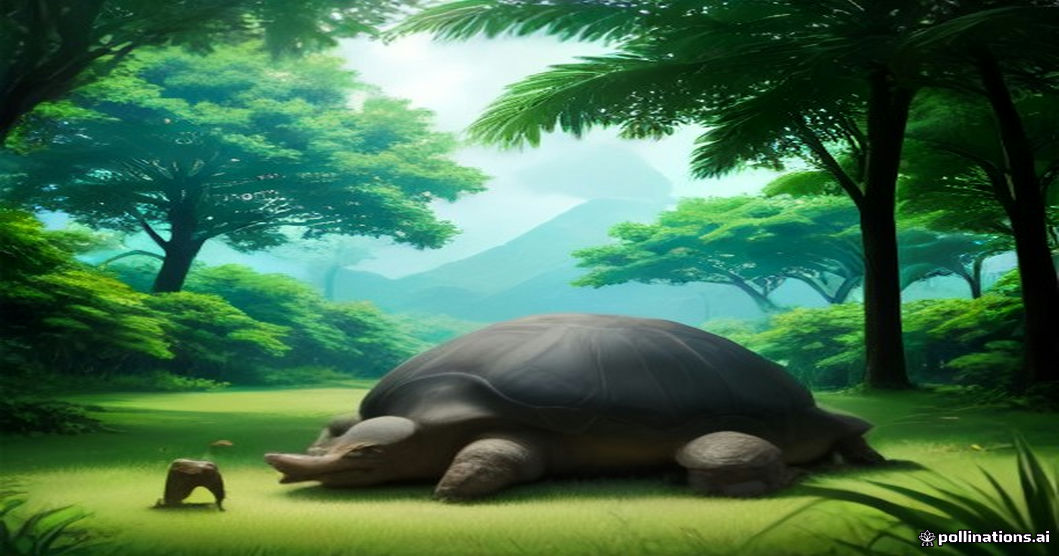
The Giant Seychelles Tortoise, scientifically known as Aldabrachelys gigantea, is a magnificent and fully terrestrial reptile that captures the imagination of animal lovers worldwide. Native to the pristine islands of Aldabra, Seychelles, the Mascarene islands, Mauritius, and surrounding regions, these gentle giants represent a living link to prehistoric times.
Habitat, Behavior, and Daily Routine
In their natural habitats, these remarkable tortoises are adaptable, living either solitary lives or gathering in loose groups. They strongly prefer open areas featuring abundant grasses, low shrubs, and scattered trees for shade. As ectotherms, their daily routine is carefully regulated by temperature. They are typically most active during the cooler hours of the mid-morning and early evening, spending this time foraging for nutritious vegetation.
Growth, Diet, and Impressive Size
Proper nutrition is critical for the healthy development of Aldabrachelys gigantea. With an ample, balanced diet rich in fiber, a giant tortoise can experience continuous growth for up to 40 years. At maturity, these colossal creatures can reach astonishing weights of up to 250 kg (550 lbs) and boast a dome-shaped carapace length of up to 120 cm (nearly 4 feet).
Fascinating Longevity
One of the most awe-inspiring characteristics of the Giant Seychelles Tortoise is its incredible lifespan. These resilient reptiles are renowned for living well over 100 years, officially cementing their status as some of the longest-lived animals on the planet. Caring for such a long-lived species requires dedication, specialized knowledge, and a lifelong commitment from any professional or enthusiast.
Written by Mohammed Murtaja
Editor-in-Chief & Executive Publisher of ZooPulse. Senior investigative journalist directing evidence-based research, veterinary science verification, and editorial governance.
Related Stories
 Animal News
Mastering the Art of Canine Cleanliness: Insights from a Professional Grooming Lesson
As a veterinarian and pet care advocate, I always emphasize that grooming is much more than just keeping our furry companions looking their best—it is an essential pillar of their overall health and well-being. Recently, I attended an intensive hands-on washing and bathing lesson led by master groomers, and the experience reinforced just how nuanced […]
 Animal News
Exploring Loch Achtriochtan: A Veterinary Perspective on Hiking Safely with Your Dog in Glencoe
Nestled in the breathtaking heart of Scotland’s dramatic Glencoe valley, the picturesque mountain lake of Loch Achtriochtan is a renowned haven for landscape photographers and outdoor enthusiasts alike. Surrounded by majestic, rugged peaks and tranquil waters, it offers an idyllic escape into nature. However, for pet parents and animal health enthusiasts, exploring this stunning Highland […]
 Animal News
The Brazilian Dwarf Gecko: Nature’s Microscopic Water Walker and Survival Expert
Meet the Brazilian Dwarf Gecko In the vast and biodiverse realm of the Amazon rainforest, diminutive wonders often go unnoticed. Among the most fascinating of these micro-fauna is the Brazilian Dwarf Gecko (Coleodactylus amazonicus). Growing to a staggering maximum length of just 24 mm—about 2.5 cm including its tail—this minuscule reptile is one of the […]