The Majestic Longfin Platax: A Comprehensive Guide to Platax teira
Introduction to the Longfin Platax The Longfin Platax, scientifically known as Platax teira, is one of the most visually captivating inhabitants of the Indo-Pacific tropical reefs. Known for its distinct silhouette and graceful movements, this species belongs to the Ephippidae family and plays a significant role in the biodiversity of marine ecosystems. The Remarkable Metamorphosis […]
Introduction to the Longfin Platax
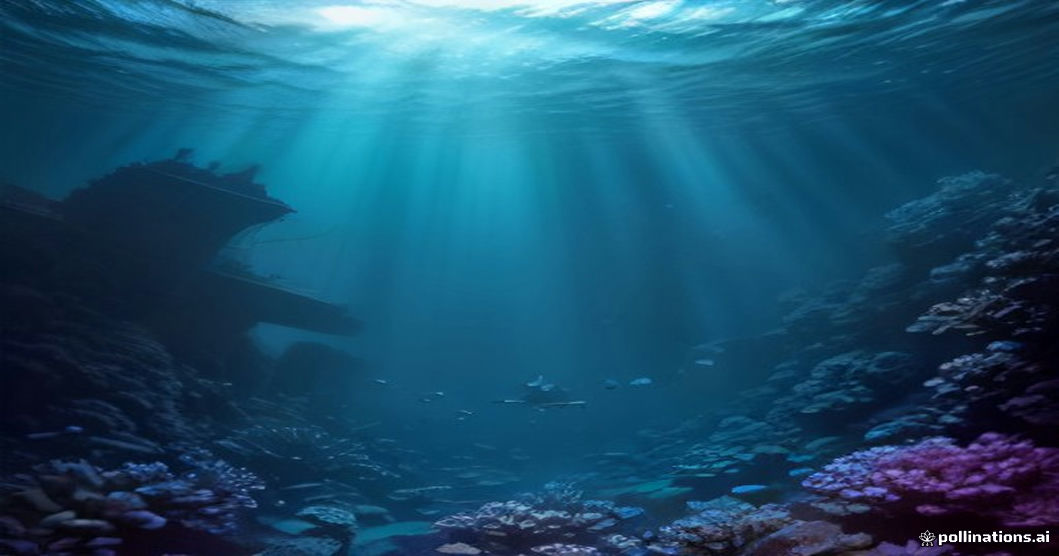
The Longfin Platax, scientifically known as Platax teira, is one of the most visually captivating inhabitants of the Indo-Pacific tropical reefs. Known for its distinct silhouette and graceful movements, this species belongs to the Ephippidae family and plays a significant role in the biodiversity of marine ecosystems.
The Remarkable Metamorphosis of Growth
One of the most fascinating aspects of Platax teira is its dramatic physical transformation as it matures. In their juvenile stage, these fish possess incredibly elongated dorsal and anal fins, paired with a thin, leaf-like body. This morphology is not merely aesthetic; it serves as a brilliant survival strategy. By mimicking floating leaves or debris, young Platax can effectively camouflage themselves from predators in shallow waters or among mangroves.
Adult Development and Social Behavior
As the Longfin Platax reaches adulthood, its appearance shifts toward a more robust and rounded profile. The once-dramatic fins shorten relative to the body size, and the fish develops a more powerful, disc-shaped frame. Unlike their solitary juvenile counterparts, adult Longfin Platax are social creatures. They are frequently observed gathering in small, coordinated groups near coral reefs, rocky outcrops, and artificial structures such as sunken shipwrecks.
Ecological Significance and Habitat
The Longfin Platax thrives in warm, tropical waters where it contributes to the health of the reef. Their presence near sunken objects and vertical reef walls highlights their preference for complex structures that provide both food sources and shelter. From a veterinary and ecological perspective, the health of these populations is a key indicator of the stability of their surrounding marine environment.
Conclusion and Conservation
Understanding the life cycle of the Longfin Platax offers deep insights into the adaptive mastery of reef dwellers. Whether you are a marine biologist, an advanced aquarist, or an ocean enthusiast, the Platax teira remains a symbol of the intricate beauty and evolutionary ingenuity found beneath the waves.
Written by Mohammed Murtaja
Editor-in-Chief & Executive Publisher of ZooPulse. Senior investigative journalist directing evidence-based research, veterinary science verification, and editorial governance.
Related Stories
 Uncategorized
The Silent Guardian of the Reef: How the Caribbean Spiny Lobster Defends Corals via Chemical Cues
When we evaluate marine biodiversity and the intricate systems supporting aquatic health, apex predators and conspicuous reef cleaners often seize the spotlight. Yet, groundbreaking marine biological research reveals that the Caribbean spiny lobster (Panulirus argus) serves as a vital custodian of coral reefs through a remarkable, non-violent mechanism: the power of chemical ecology. The Non-Consumptive […]
 Uncategorized
Spotlight on the Chestnut-eared Araçari: South America’s Vibrant Toucan Cousin
Introduction to the Chestnut-eared Araçari Native to the lush forests of central and southeastern South America, the Chestnut-eared Araçari (Pteroglossus castanotis) is a stunning and charismatic member of the toucan family. While many bird enthusiasts immediately think of the iconic Toco Toucan when the family is mentioned, araçaris bring their own unique charm and vibrant […]
UncategorizedJourney Along the Roof of the World: Wildlife and Veterinary Insights of the Karakoram Highway
Spanning over 1,300 kilometers, the legendary Karakoram Highway connects Kashgar in China’s Xinjiang Uyghur Autonomous Region with Islamabad, the capital of Pakistan. Often referred to as the Eighth Wonder of the World, this engineering marvel traverses some of the highest and most rugged mountain ranges on the planet, including the Karakoram, the Himalayas, and the […]