The Silent Guardian of the Reef: How the Caribbean Spiny Lobster Defends Corals via Chemical Cues
When we evaluate marine biodiversity and the intricate systems supporting aquatic health, apex predators and conspicuous reef cleaners often seize the spotlight. Yet, groundbreaking marine biological research reveals that the Caribbean spiny lobster (Panulirus argus) serves as a vital custodian of coral reefs through a remarkable, non-violent mechanism: the power of chemical ecology. The Non-Consumptive […]
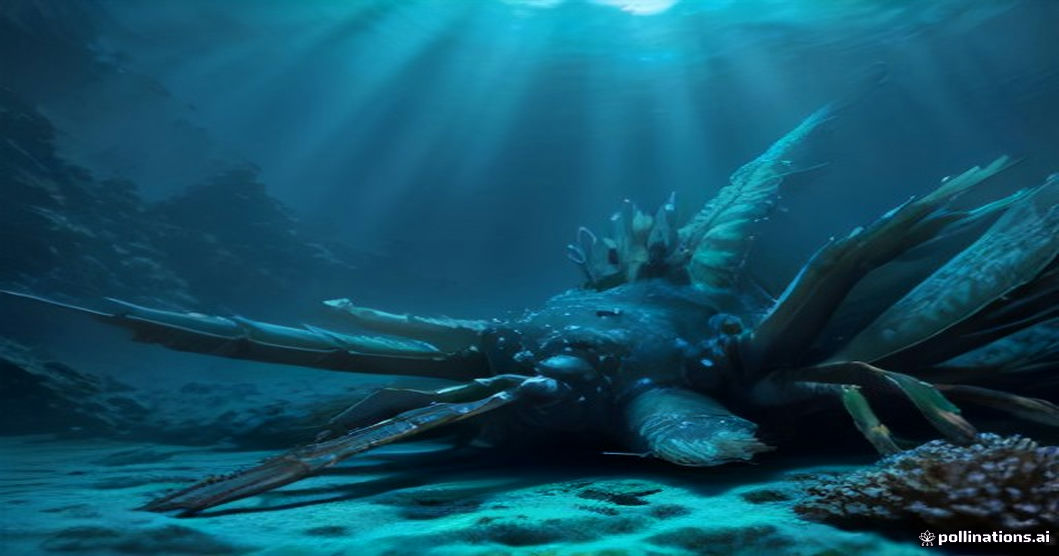
When we evaluate marine biodiversity and the intricate systems supporting aquatic health, apex predators and conspicuous reef cleaners often seize the spotlight. Yet, groundbreaking marine biological research reveals that the Caribbean spiny lobster (Panulirus argus) serves as a vital custodian of coral reefs through a remarkable, non-violent mechanism: the power of chemical ecology.
The Non-Consumptive Defense Mechanism
In the natural world, predator-prey dynamics are traditionally viewed through the lens of consumption—one organism hunting and devouring another. However, recent behavioral assays and field experiments demonstrate that Panulirus argus protects vulnerable stony corals without actively attacking their predators. The lobster’s scent alone emits potent chemical signatures that alter the foraging behavior of notorious corallivores.
Key coral adversaries, such as the destructive bearded fireworm (Hermodice carunculata) and predatory coral snails (Coralliophila abbreviata), display distinct avoidance behaviors when exposed to the ambient biological odor of the spiny lobster. Fireworms actively retreat and abandon their feeding territories, while predatory gastropods temporarily cease their destructive grazing and withdraw into defensive postures.
Reef Health and Disease Prevention
From an animal health and veterinary perspective, this subtle ecological deterrence plays a profound role in reef pathology. When corallivores feed on living coral tissue, they strip away the protective polyps and mucosal barrier, inflicting open lesions. These physical wounds serve as primary entry points for opportunistic bacterial and fungal pathogens, triggering devastating conditions such as white band disease, black band disease, and rapid tissue necrosis.
By suppressing the grazing pressure of fireworms and snails through sensory intimidation, the Caribbean spiny lobster directly reduces coral tissue trauma. In doing so, it mitigates secondary infection rates, preserving the structural integrity and immune resilience of fragile coral colonies.
Conservation Implications for Marine Ecosystems
The Caribbean spiny lobster is heavily targeted by commercial and artisanal fisheries across its geographic range. As lobster populations decline due to overharvesting, the protective chemical umbrella over reef ecosystems diminishes. This absence allows invertebrate pest populations to graze unchecked, escalating reef degradation.
Holistic aquatic conservation requires understanding that preserving keystone species is not merely about managing individual biomass; it is about sustaining the invisible biochemical networks that keep marine habitats healthy. Protecting Panulirus argus through regulated marine reserves and sustainable harvesting practices is essential to securing the long-term vitality of coral reef environments worldwide.
Written by Mohammed Murtaja
Editor-in-Chief & Executive Publisher of ZooPulse. Senior investigative journalist directing evidence-based research, veterinary science verification, and editorial governance.
Related Stories
 Nature
The Majestic Longfin Platax: A Comprehensive Guide to Platax teira
Introduction to the Longfin Platax The Longfin Platax, scientifically known as Platax teira, is one of the most visually captivating inhabitants of the Indo-Pacific tropical reefs. Known for its distinct silhouette and graceful movements, this species belongs to the Ephippidae family and plays a significant role in the biodiversity of marine ecosystems. The Remarkable Metamorphosis […]
 Nature
The Taiwan Blue Magpie: An Avian Gem and Endemic Treasure
Introduction to Taiwan’s Endemic Treasure The Taiwan Blue Magpie (Urocissa caerulea) is not only an endemic species native to the island of Taiwan but also a proud symbol of its rich biodiversity. As a dedicated veterinarian and wildlife enthusiast, I always find myself captivated by the unique ecology of this magnificent bird. Typically inhabiting densely […]
 Nature
Exploring the Rainbow Mountains of Peru: A Guide for Adventurous Pet Owners
Peru’s stunning Rainbow Mountains, known locally as Vinicunca, have become a bucket-list destination for travelers worldwide. With their striking turquoise, lavender, and gold mineral stripes, these majestic peaks offer a breathtaking visual spectacle. But for passionate animal lovers and pet parents, a journey to such high altitudes requires careful consideration, especially if you are thinking […]