The Ocean’s Apex Predator: The Unique Biology and Marine Adaptations of the Vancouver Island Wolf
Introduction to an Extraordinary Canid In the temperate rainforests and misty shorelines of British Columbia, Canada, resides one of the most remarkable sub-lineages of gray wolves on Earth: the Vancouver Island wolf (Canis lupus ligoni). Often referred to colloquially as ‘sea wolves’ or coastal wolves, these magnificent canids challenge our conventional terrestrial understanding of lupine […]
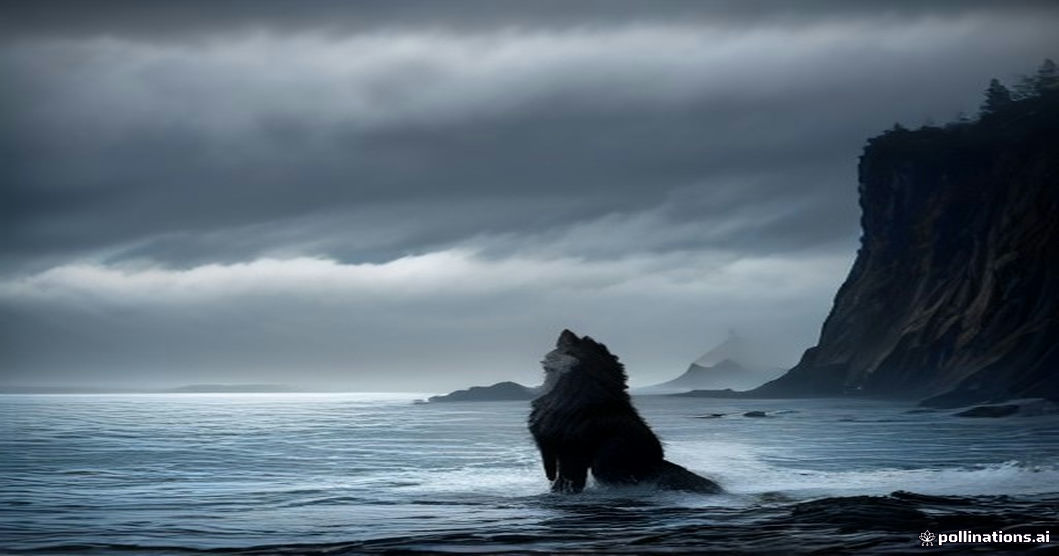
Introduction to an Extraordinary Canid
In the temperate rainforests and misty shorelines of British Columbia, Canada, resides one of the most remarkable sub-lineages of gray wolves on Earth: the Vancouver Island wolf (Canis lupus ligoni). Often referred to colloquially as ‘sea wolves’ or coastal wolves, these magnificent canids challenge our conventional terrestrial understanding of lupine biology. Where most gray wolf populations depend heavily on large ungulates like elk, deer, and moose, the Vancouver Island wolf has adapted to an amphibian existence intimately tied to the rhythms of the Pacific Ocean.
Genetic Distinction and Morphological Adaptations
Extensive genomic sequencing over the last two decades has demonstrated that Vancouver Island wolves are genetically distinct from their mainland counterparts. Shaped by thousands of years of evolutionary isolation along the rugged Pacific rim, their distinct genetic profile is mirrored in their physical morphology. Vancouver Island wolves are visibly smaller and leaner than mainland gray wolves, possessing shorter stature and a more streamlined silhouette that facilitates agile movement through dense coastal scrub and intertidal rocks.
Their dense coats, ranging from charcoal black to mottled coastal gray, offer exceptional thermal protection against the relentless, cold marine drizzle. Furthermore, their paw pads and musculoskeletal configuration support both terrestrial bounding and prolonged aquatic propulsion, reflecting an animal perfectly molded for an archipelago habitat.
The Oceanic Diet: A Canid Nutritional Anomaly
From an animal nutrition and metabolic perspective, the Vancouver Island wolf presents a fascinating case study. Remarkably, up to 90 percent of their dietary intake derives directly from marine resources. A full quarter of this nutritional profile is comprised of spawning Pacific salmon, rich in critical polyunsaturated fatty acids, high-quality proteins, and fat-soluble vitamins.
Beyond salmon, these coastal foragers actively harvest barnacles, clams, crabs, and scavenge beached marine mammals such as seals, sea lions, and cetacean carcasses. They are even documented actively hunting harbor seals along isolated rocky shelves. While this marine-heavy diet grants extraordinary biological resilience during periods when terrestrial prey is scarce, it also exposes them to unique marine-borne parasites, showcasing an evolutionary host-parasite balance rarely observed in continental wild canids.
Exceptional Marine Locomotion
Perhaps the most breathtaking behavioral characteristic of the Vancouver Island wolf is its relationship with the open sea. While most canids swim solely when forced to navigate water obstacles, sea wolves treat the ocean as an expansive highway. Packs regularly swim between remote islands in search of food and territory, navigating turbulent currents and frigid Pacific waters.
Documented records show these resilient animals swimming distances of up to 12 kilometers across open channels to access isolated archipelagos. This endurance swimming requires immense cardiovascular stamina, specialized core muscle engagement, and an innate understanding of tidal movements, separating them fundamentally from interior wolf populations.
Social Structure and Pack Dynamics
Living in tightly knit family packs ranging from 5 to as many as 35 individuals, the social hierarchy of the Vancouver Island wolf reflects their specialized ecological niche. Pack members collaborate closely, using coordinated tactics to trap marine life along the shorelines during low tide and guarding rich foraging territories during peak salmon runs.
Their vocalizations, territorial scent markings, and intertidal hunting strategies highlight a culture passed down through generations of coastal packs. Protecting these wolves requires recognizing their inseparable link to both the old-growth temperate rainforest and the marine ecosystems that sustain them.
Written by Mohammed Murtaja
Editor-in-Chief & Executive Publisher of ZooPulse. Senior investigative journalist directing evidence-based research, veterinary science verification, and editorial governance.
Related Stories
 Wildlife
Unveiling the Gentle Giant: The Fascinating World of the European Bison
Meet Europe’s Largest Land Mammal When we think of majestic wildlife, exotic creatures from distant continents often come to mind. However, wandering the dense forests and open grasslands of Europe is a truly magnificent animal that many people overlook: the European bison, also known as the wisent. As a veterinarian and animal care expert, I […]
 Wildlife
Don’t Disturb the Barn Owls! A Veterinary Guide to Protecting These Silent Guardians
As veterinary professionals and passionate advocates for animal welfare, we often find ourselves championing the care of domestic pets. However, the scope of animal health extends far beyond our household companions into the vital realm of wildlife conservation. One species that profoundly impacts our local ecosystems—and deserves our utmost respect and protection—is the magnificent barn […]
 Wildlife
 Resilience in Antarctica: Surviving the Ice
The Untamed Beauty of the Frozen Continent Antarctica is often perceived as a desolate wasteland, yet this remarkable place is striking in its beauty. Towering blue glaciers, endless expanses of pristine snow, and dramatic mountain peaks create a breathtaking landscape that captures the imagination of travelers and scientists alike. But beneath this icy exterior lies […]