The Sensitive Shell: Understanding Why Baby Armadillos Love Scratches and Gentle Touch
An Unexpected Soft Spot Beneath the Armor At first glance, an armadillo looks like a prehistoric relic built strictly for defense. Encased in bony plates known as osteoderms, these unique mammals appear impervious and stoic. Yet, wildlife rehabilitators and specialized exotic animal professionals often observe a delightfully unexpected behavior, particularly in juveniles: baby armadillos thoroughly […]
An Unexpected Soft Spot Beneath the Armor
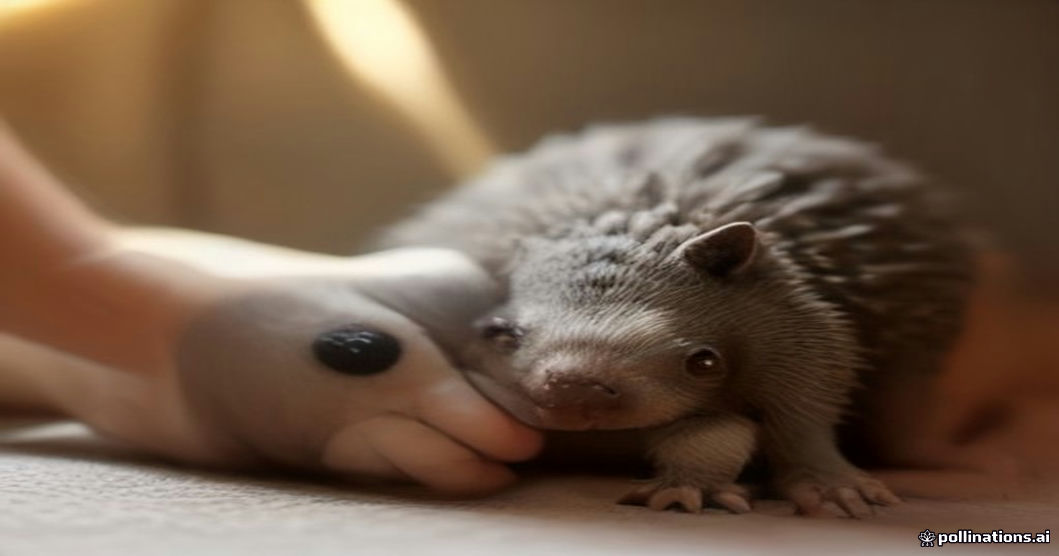
At first glance, an armadillo looks like a prehistoric relic built strictly for defense. Encased in bony plates known as osteoderms, these unique mammals appear impervious and stoic. Yet, wildlife rehabilitators and specialized exotic animal professionals often observe a delightfully unexpected behavior, particularly in juveniles: baby armadillos thoroughly enjoy gentle tactile stimulation, often rolling onto their sides or extending their bellies to savor a good scratch.
The Sensory Anatomy of the Armadillo Carapace
A common misconception is that an armadillo’s armor is inert or numb, akin to a heavy suit of metal armor. In reality, the carapace is a living, vascularized tissue covered by a keratinous layer similar to human fingernails. Directly beneath these epidermal scutes lies a rich network of sensory nerves. When a caregiver or mother grooms the carapace, the armadillo feels the pressure, vibration, and warmth distinctly. In baby armadillos, whose shells are still soft, leathery, and developing, these nerve pathways are especially responsive to gentle touch.
Maternal Grooming and Behavioral Comfort
In the wild, infant armadillos (pups) receive vital grooming and cleaning from their mothers within subterranean burrows. Tactile interactions stimulate healthy gastrointestinal motility, encourage proper blood circulation, and release feel-good neurochemicals such as oxytocin and endorphins. When an orphaned or rescued pup experiences gentle scratching from a dedicated rehabilitator, this contact replicates maternal allogrooming, signaling safety, comfort, and deep relaxation.
Deciphering Armadillo Body Language
Knowing whether an armadillo is genuinely enjoying an interaction requires close observation of species-specific body language. When experiencing genuine pleasure and comfort, a young armadillo will often loosen its posture, stretch out its tiny clawed legs, tilt its head back, and occasionally produce soft sniffing or vocalization sounds. In contrast, an agitated or distressed armadillo will tuck its head abruptly, kick defensively, jump vertically into the air (a common response in nine-banded armadillos), or curl tightly into a protective posture.
Veterinary and Conservation Considerations
While the image of a baby armadillo melting into a belly rub is undeniably endearing, it is critical to balance affection with responsible wildlife stewardship. Armadillos are wild creatures with intricate ecological and nutritional needs that cannot be replicated in a standard domestic household. Furthermore, wild armadillo populations can carry zoonotic pathogens, including the bacterium responsible for Hansen’s disease (leprosy). Gentle handling and tactile enrichment should be reserved for certified wildlife rehabilitators and licensed zoological institutions committed to animal welfare, rehabilitation, and eventual release.
Written by Mohammed Murtaja
Editor-in-Chief & Executive Publisher of ZooPulse. Senior investigative journalist directing evidence-based research, veterinary science verification, and editorial governance.
Related Stories
 Animal News
Mastering the Art of Canine Cleanliness: Insights from a Professional Grooming Lesson
As a veterinarian and pet care advocate, I always emphasize that grooming is much more than just keeping our furry companions looking their best—it is an essential pillar of their overall health and well-being. Recently, I attended an intensive hands-on washing and bathing lesson led by master groomers, and the experience reinforced just how nuanced […]
 Animal News
Exploring Loch Achtriochtan: A Veterinary Perspective on Hiking Safely with Your Dog in Glencoe
Nestled in the breathtaking heart of Scotland’s dramatic Glencoe valley, the picturesque mountain lake of Loch Achtriochtan is a renowned haven for landscape photographers and outdoor enthusiasts alike. Surrounded by majestic, rugged peaks and tranquil waters, it offers an idyllic escape into nature. However, for pet parents and animal health enthusiasts, exploring this stunning Highland […]
 Animal News
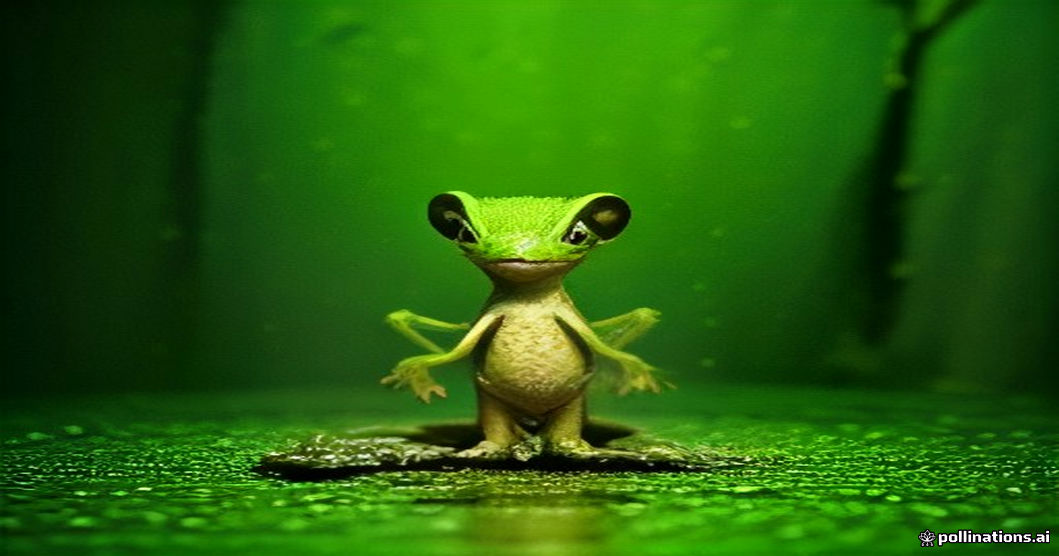
The Brazilian Dwarf Gecko: Nature’s Microscopic Water Walker and Survival Expert
Meet the Brazilian Dwarf Gecko In the vast and biodiverse realm of the Amazon rainforest, diminutive wonders often go unnoticed. Among the most fascinating of these micro-fauna is the Brazilian Dwarf Gecko (Coleodactylus amazonicus). Growing to a staggering maximum length of just 24 mm—about 2.5 cm including its tail—this minuscule reptile is one of the […]