The Tuxedoed Sunbathers of Boulders Beach: A Veterinary Look at the Endangered African Penguin
Tucked away near Simon’s Town along the Cape Peninsula in South Africa lies Boulders Beach, a sheltered cove famous for ancient granite boulders, turquoise waters, and an extraordinary group of local residents. Unlike the human tourists seeking a coastal retreat, these permanent vacationers waddle across the sands in distinct black-and-white plumage. The African penguin (Spheniscus […]
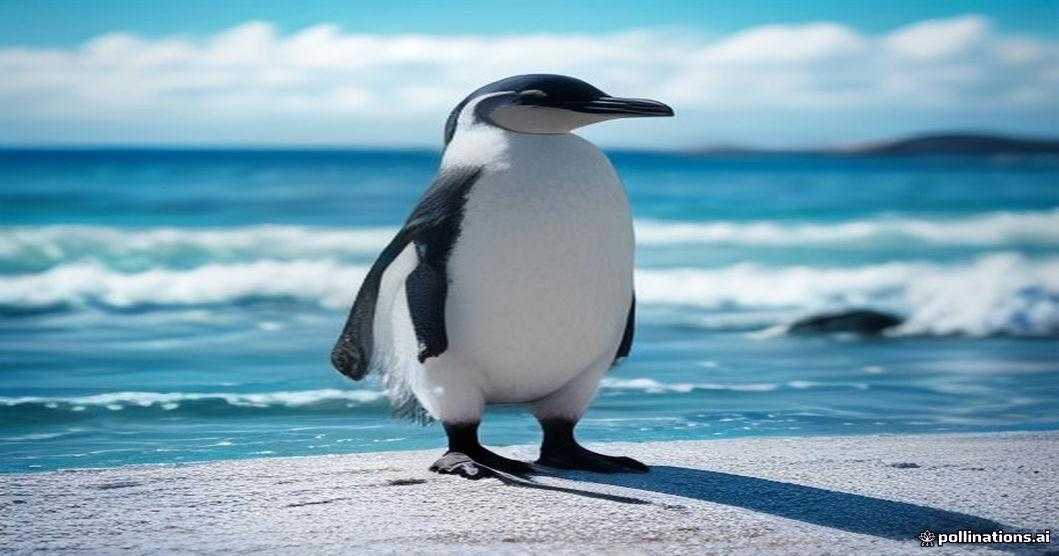
Tucked away near Simon’s Town along the Cape Peninsula in South Africa lies Boulders Beach, a sheltered cove famous for ancient granite boulders, turquoise waters, and an extraordinary group of local residents. Unlike the human tourists seeking a coastal retreat, these permanent vacationers waddle across the sands in distinct black-and-white plumage. The African penguin (Spheniscus demersus), affectionately known historically as the ‘jackass penguin’ due to its donkey-like braying vocalization, is one of the most charismatic marine bird species on the planet.
Unique Physiological Adaptations of a Warm-Weather Penguin
While many associate penguins exclusively with the frozen expanses of Antarctica, African penguins have evolved specialized biological mechanisms to thrive in temperate marine and coastal ecosystems. A prominent veterinary adaptation is the presence of bare, pink patches of skin located directly above their eyes. These glands are rich in blood vessels and act as thermoregulatory organs. As ambient temperatures rise on sunny South African beaches, blood is directed to these patches, where ocean breezes facilitate cooling. Additionally, their dense, double-layered waterproof plumage insulates them from the frigid waters of the Benguela Current while foraging for pelagic fish.
Clinical and Conservation Threats Facing the Colony
Despite their playful appearance on the beach, the African penguin is classified as Endangered by the IUCN, facing steep population declines over recent decades. From an avian veterinary perspective, these seabirds confront numerous significant health challenges. Nutritional stress represents a critical threat; overfishing and shifting ocean currents driven by climate change have depleted essential prey stocks like sardines and anchovies, leading to malnourished chicks and prolonged adult foraging trips.
Furthermore, wild colonies are vulnerable to infectious diseases. Outbreaks of avian influenza (HPAI) and avian malaria—transmitted by coastal mosquitoes during molting periods—pose catastrophic mortality risks to isolated groups. External environmental hazards, including maritime oil spills and microplastic ingestion, compromise feather waterproofing and cause internal systemic toxicity, requiring intensive rehabilitation protocols implemented by specialized wildlife sanctuaries such as SANCCOB (Southern African Foundation for the Conservation of Coastal Birds).
Ecotourism Etiquette: Respecting Marine Wildlife
Visitors fortunate enough to share the shoreline with these remarkable birds must practice strict ecotourism etiquette to minimize stress-induced physiological responses. Penguins that appear calm may experience elevated heart rates and cortisol spikes when approached too closely by humans. Observing established boardwalk boundaries, maintaining a minimum distance of three meters, and strictly refraining from feeding or touching the birds are vital precautions. Preserving the delicate equilibrium of Boulders Beach ensures that future generations can marvel at these resilient seabirds thriving in their native habitat.
Written by Mohammed Murtaja
Editor-in-Chief & Executive Publisher of ZooPulse. Senior investigative journalist directing evidence-based research, veterinary science verification, and editorial governance.
Related Stories
 Uncategorized
Paws in the Metropolis: Navigating Pet Care in Hong Kong
Introduction to Urban Pet Ownership in Hong Kong Hong Kong is a bustling, high-density metropolis known for its towering skyscrapers, vibrant street life, and fast-paced environment. Yet, amidst the urban concrete jungle, a thriving community of dedicated pet owners continues to grow. Caring for pets in such a compact city presents unique challenges and rewarding […]
UncategorizedSea Anemones: The Ocean’s Masters of Disguise and Invertebrate Survival
Introduction to the Fascinating Sea Anemone As animal health and marine biology experts, we often look to the ocean’s most unique creatures to understand the incredible adaptations of nature. Among the most remarkable is the sea anemone. Despite their plant-like appearance, these creatures are actually predatory marine animals related to corals and jellyfish. Without a […]
UncategorizedThe Art of Motivating Your Pet: Understanding Curiosity, Cravings, and Nutritional Health
Every pet owner knows that magical moment: the instant rustle of a treat bag, the subtle clink of a kibble scoop, or the opening of a can, and suddenly your furry friend appears from thin air. As the saying goes, they ‘came out for something tasty!’ But behind those eager eyes and hopeful whimps lies […]