The Ultimate Guide to Chinchilla Sand Baths: Keeping Your Pet Healthy and Happy
When it comes to exotic pet care, few rituals are as delightful to watch as a chinchilla taking its daily dust or sand bath. Native to the arid, high-altitude Andes Mountains, these charming rodents have developed a unique defense mechanism for keeping their exceptionally dense fur clean and free of moisture and oils. Unlike most […]
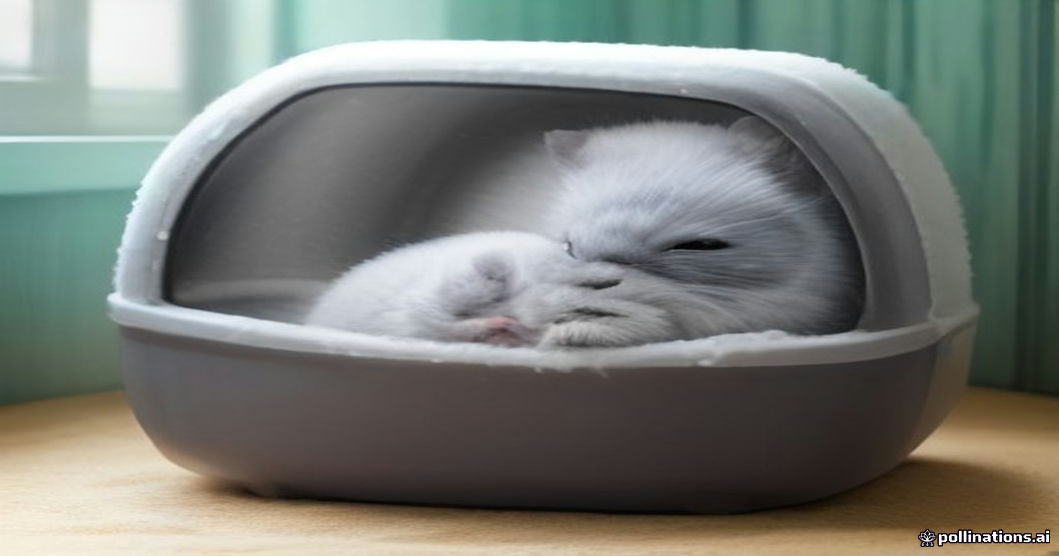
When it comes to exotic pet care, few rituals are as delightful to watch as a chinchilla taking its daily dust or sand bath. Native to the arid, high-altitude Andes Mountains, these charming rodents have developed a unique defense mechanism for keeping their exceptionally dense fur clean and free of moisture and oils. Unlike most mammals, chinchillas must never be bathed in water, as their thick coats trap moisture and can easily lead to dangerous fungal infections and hypothermia.
Why Sand Baths Are Essential for Chinchilla Health
Providing your chinchilla with a regular sand or dust bath is not just a fun activity; it is a critical requirement for their physical and mental well-being. A proper bath helps to absorb excess sebum (skin oils), removes dirt and debris, and keeps their remarkably soft fur fluffy and properly insulated. Furthermore, chinchillas find the rolling and digging motion immensely satisfying, which significantly contributes to reducing stress and promoting natural behaviors.
Choosing the Right Material: Sand vs. Dust
As a veterinarian, I often get asked whether to use volcanic dust or calcium-based chinchilla sand. While traditional fine dust is popular, it can sometimes cause respiratory irritation in sensitive animals. High-performance, calcium-free chinchilla bathing sand is generally the safer, veterinary-recommended option because it is less dusty, coarser, and effectively cleans the coat without posing inhalation risks. Always avoid chinchilla-labeled products that contain quartz or silica, as these are abrasive and harmful to your pet’s lungs.
Establishing a Healthy Bathing Routine
Moderation is key when it comes to sand baths. Offer the bath container to your chinchilla for about 10 to 15 minutes, two to three times a week. Leaving the bath in the cage permanently is discouraged, as chinchillas will often use it as a litter box, turning their cleaning station into a source of bacterial contamination. After their session, simply sift out any waste with a fine-mesh scoop and store the clean sand in a dry place, replacing it entirely every few weeks to ensure optimal hygiene.
Written by Mohammed Murtaja
Editor-in-Chief & Executive Publisher of ZooPulse. Senior investigative journalist directing evidence-based research, veterinary science verification, and editorial governance.
Related Stories
 Animal News
Paws in the Snow: Canine Care and Veterinary Insights from Arctic Tromsø, Norway
Introduction to Arctic Pet Ownership High above the Arctic Circle lies Tromsø, Norway, a breathtaking city known for its stunning fjords, vibrant culture, and mesmerizing Northern Lights. But for local veterinarians and pet owners, Tromsø is also a unique environment that presents distinct challenges and rewards for animal health and canine care. From navigating deep […]
 Animal News
Understanding the Crocodile Gallop in Dogs: What Veterinary Science Tells Us
When observing dogs in motion, we often marvel at their agility, speed, and diverse running styles. While most pet owners are familiar with the standard trot or double-suspension gallop, there is a fascinating and specific locomotive pattern known as the “crocodile gallop.” As a veterinarian, I often get asked what this unique movement means for […]
 Animal News
The Ultimate Guide to Red-Eared Slider Turtles: Care, Habitat, and Health
Introduction to the Red-Eared Slider The Red-Eared Slider turtle (Trachemys scripta elegans) is one of the most popular and recognizable aquatic turtle species in the world. Named for the distinct red or orange stripe located just behind each eye and their ability to quickly slide off rocks and logs into the water, these fascinating reptiles […]