The Unbreakable Bond: Understanding the Science and Soul of ‘Best Friends’ in the Animal Kingdom
Introduction: More Than Just Companionship When we look at our pets, we often use the phrase “best friends” to describe our relationship with them. But have you ever wondered what this profound connection truly means from a veterinary and behavioral standpoint? As animal health professionals, we witness daily how deeply intertwined the emotional and physical […]
Introduction: More Than Just Companionship
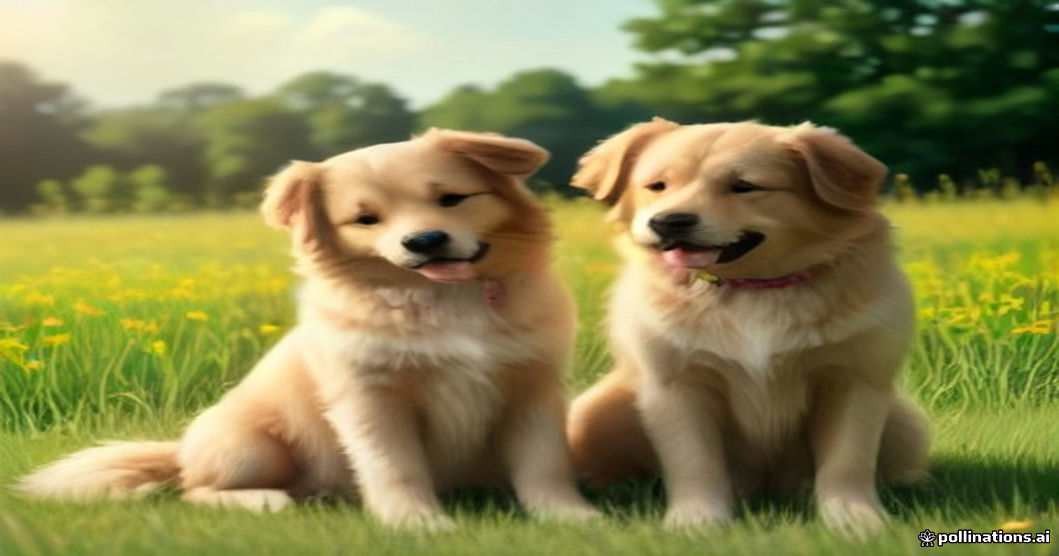
When we look at our pets, we often use the phrase “best friends” to describe our relationship with them. But have you ever wondered what this profound connection truly means from a veterinary and behavioral standpoint? As animal health professionals, we witness daily how deeply intertwined the emotional and physical well-being of pets is with their social bonds. Whether it is a dog waiting patiently by the door for their human, or two cats grooming one another after a long day of play, friendship is a vital cornerstone of animal health.
The Neurochemistry of Animal Friendship
The phrase “best friends” is not just a sentimental human projection; it has a profound biological basis. When animals form close attachments—whether with humans or other animals—their brains release oxytocin, often referred to as the “love hormone.” This powerful chemical reduces stress, lowers blood pressure, and fosters a deep sense of security. As veterinarians, we frequently observe that pets with strong, positive social bonds exhibit robust immune systems and faster recovery times from illnesses and surgeries compared to isolated animals.
Nurturing the Bond: A Veterinary Perspective
Cultivating a “best friend” dynamic with your pet requires more than just providing food and shelter; it demands active engagement, mental stimulation, and empathetic communication. Regular play sessions, positive reinforcement training, and quiet moments of physical contact—like gentle grooming or petting—strengthen the attachment loop between pet and owner. Furthermore, ensuring your pet has opportunities for socialization with other appropriate animals can dramatically enhance their psychological health, preventing anxiety and behavioral issues down the road.
Conclusion: A Lifelong Commitment
The journey of being a pet’s best friend is one of the most rewarding commitments we can undertake. By understanding their physical needs, respecting their emotional boundaries, and honoring the trust they place in us, we ensure that our furry, feathered, or scaled companions live long, healthy, and profoundly joyful lives. After all, to them, we are not just caretakers—we are their entire world.
Written by Mohammed Murtaja
Editor-in-Chief & Executive Publisher of ZooPulse. Senior investigative journalist directing evidence-based research, veterinary science verification, and editorial governance.
Related Stories
 Uncategorized
Unveiling the Bobak Marmot: Steppe Dweller and Natural Whistler
Meet the Bobak Marmot The Bobak Marmot (Marmota bobak) stands out as one of the larger species within the marmot family. These robust rodents can reach a body length of up to 59 cm, complemented by a tail measuring up to 15 cm. As they prepare for their annual winter dormancy, adult males can pack […]
 Uncategorized
Unveiling the Flamboyant Cuttlefish: The Ocean’s Vibrant Master of Disguise
Introduction to the Metasepia pfefferi In the vast and mysterious depths of the ocean, few creatures captivate the imagination quite like the flamboyant cuttlefish (Metasepia pfefferi). As a professional veterinarian and marine life enthusiast, I am continually astounded by the remarkable adaptations found in aquatic species. This small yet mesmerizing cephalopod is a true marvel […]
 Uncategorized
Babirusa: Unraveling the Mysteries of Nature’s Most Unusual Wild Pig
Meet the Babirusa: A Marvel of Evolution In the vast and diverse world of wildlife, certain species challenge our preconceived notions of animal anatomy. Enter the babirusa (genus Babyrousa), a truly unique and fascinating member of the suid (pig) family native to the Indonesian islands. Unlike the domestic and wild pigs most people are familiar […]