Tree-Climbing Marvels: How Flexible Anatomy Keeps Animals Safe
The Incredible Mechanics of Tree-Climbing Animals As pet care experts and veterinarians, we often marvel at the extraordinary physical adaptations of our animal companions. From the domestic cat’s renowned righting reflex to the specialized joints of wild climbers, nature has engineered some truly remarkable survival mechanisms. One of the most fascinating traits found in specific […]
The Incredible Mechanics of Tree-Climbing Animals
As pet care experts and veterinarians, we often marvel at the extraordinary physical adaptations of our animal companions. From the domestic cat’s renowned righting reflex to the specialized joints of wild climbers, nature has engineered some truly remarkable survival mechanisms. One of the most fascinating traits found in specific arboreal species is the ability to rotate their hind feet a full 180 degrees.
Gravity-Defying Descent: Headfirst Like a Squirrel
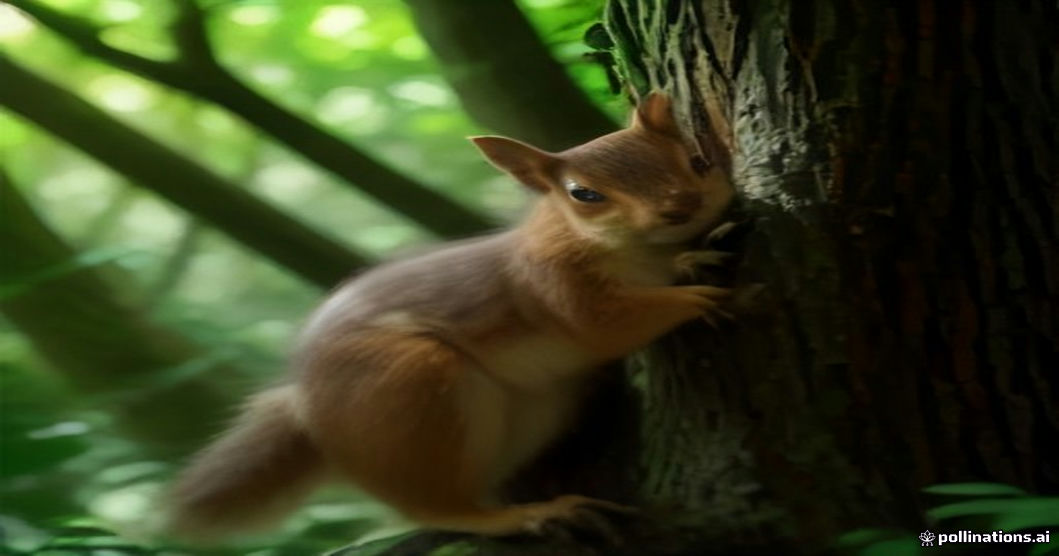
When most mammals attempt to descend a vertical tree trunk, they face a mechanical challenge. Their ankles and hips simply aren’t built for it, often forcing them to awkwardly back down backward. However, animals equipped with specialized, highly flexible ankle joints can pivot their hind feet entirely backward. This incredible anatomical feature allows them to grip the bark securely while descending headfirst—just like squirrels! 🐾🌳
What This Means for Animal Health and Mobility
Understanding these unique musculoskeletal adaptations highlights the importance of joint health and flexibility in all animals. Whether it is a wild creature navigating the forest canopy or our own domestic pets jumping from furniture, maintaining robust joint mobility, strong ligaments, and optimal nutrition is essential for their longevity and active lifestyle. Regular veterinary check-ups and a balanced diet rich in joint-supporting nutrients ensure our furry friends can continue to move with grace and agility.
Written by Mohammed Murtaja
Editor-in-Chief & Executive Publisher of ZooPulse. Senior investigative journalist directing evidence-based research, veterinary science verification, and editorial governance.
Related Stories
 Uncategorized
Paws in the Metropolis: Navigating Pet Care in Hong Kong
Introduction to Urban Pet Ownership in Hong Kong Hong Kong is a bustling, high-density metropolis known for its towering skyscrapers, vibrant street life, and fast-paced environment. Yet, amidst the urban concrete jungle, a thriving community of dedicated pet owners continues to grow. Caring for pets in such a compact city presents unique challenges and rewarding […]
UncategorizedSea Anemones: The Ocean’s Masters of Disguise and Invertebrate Survival
Introduction to the Fascinating Sea Anemone As animal health and marine biology experts, we often look to the ocean’s most unique creatures to understand the incredible adaptations of nature. Among the most remarkable is the sea anemone. Despite their plant-like appearance, these creatures are actually predatory marine animals related to corals and jellyfish. Without a […]
UncategorizedThe Art of Motivating Your Pet: Understanding Curiosity, Cravings, and Nutritional Health
Every pet owner knows that magical moment: the instant rustle of a treat bag, the subtle clink of a kibble scoop, or the opening of a can, and suddenly your furry friend appears from thin air. As the saying goes, they ‘came out for something tasty!’ But behind those eager eyes and hopeful whimps lies […]