Understanding the Delicate Rhythms of Leopard Reproduction and Conservation
The Challenges of Leopard Reproduction Leopards are iconic symbols of stealth, adaptability, and untamed beauty, yet their populations face a silent crisis rooted in their unique reproductive biology. Unlike many other mammal species that reproduce annually or even bi-annually, the reproductive cycle of a leopard is remarkably slow. This natural pacing places immense pressure on […]

The Challenges of Leopard Reproduction
Leopards are iconic symbols of stealth, adaptability, and untamed beauty, yet their populations face a silent crisis rooted in their unique reproductive biology. Unlike many other mammal species that reproduce annually or even bi-annually, the reproductive cycle of a leopard is remarkably slow. This natural pacing places immense pressure on the species, making population recovery a difficult journey.
The Numbers Behind the Slow Birth Rates
Recent wildlife studies and veterinary observations reveal a stark reality: in approximately 80 percent of cases, female leopards give birth to only one or two cubs per litter. What makes this even more critical for species survival is the infrequency of pregnancy, which typically occurs only once every three years. This extended interval between litters is influenced by several factors, including the solitary nature of leopards, the challenges of finding a suitable mate in fragmented habitats, and the intensive, long-term maternal care required to raise cubs to independence.
Veterinary and Conservation Implications
From an animal health and conservation perspective, this low reproductive output means that leopard populations cannot bounce back quickly from poaching, habitat loss, or human-wildlife conflict. Each individual lost represents a significant setback for the genetic diversity and stability of local populations. Understanding these biological constraints is essential for wildlife veterinarians and conservationists as they design targeted protection programs, safe wildlife corridors, and anti-poaching measures to ensure these magnificent cats continue to roam the wild.
Written by Mohammed Murtaja
Editor-in-Chief & Executive Publisher of ZooPulse. Senior investigative journalist directing evidence-based research, veterinary science verification, and editorial governance.
Related Stories
 Wildlife
Biomechanical Superiority: How the Crowned Eagle Crushes Primate Skulls
An in-depth veterinary analysis of Stephanoaetus coronatus, exploring its devastating pedal crushing force, hunting ecology, and urban conservation status.
 Wildlife
Rare Raptor Clash: Ornate Hawk-Eagle Slays Crested Owl in Costa Rica
Scientists in Costa Rica have documented an extraordinary and previously unrecorded predation event in the lowland forests of Corcovado National Park, capturing a rare interaction between three distinct raptor species. During a recent field excursion, researchers observed an ornate hawk-eagle (Spizaetus ornatus) successfully catching and killing a crested owl (Lophostrix cristata). According to authors Pablo […]
 Wildlife
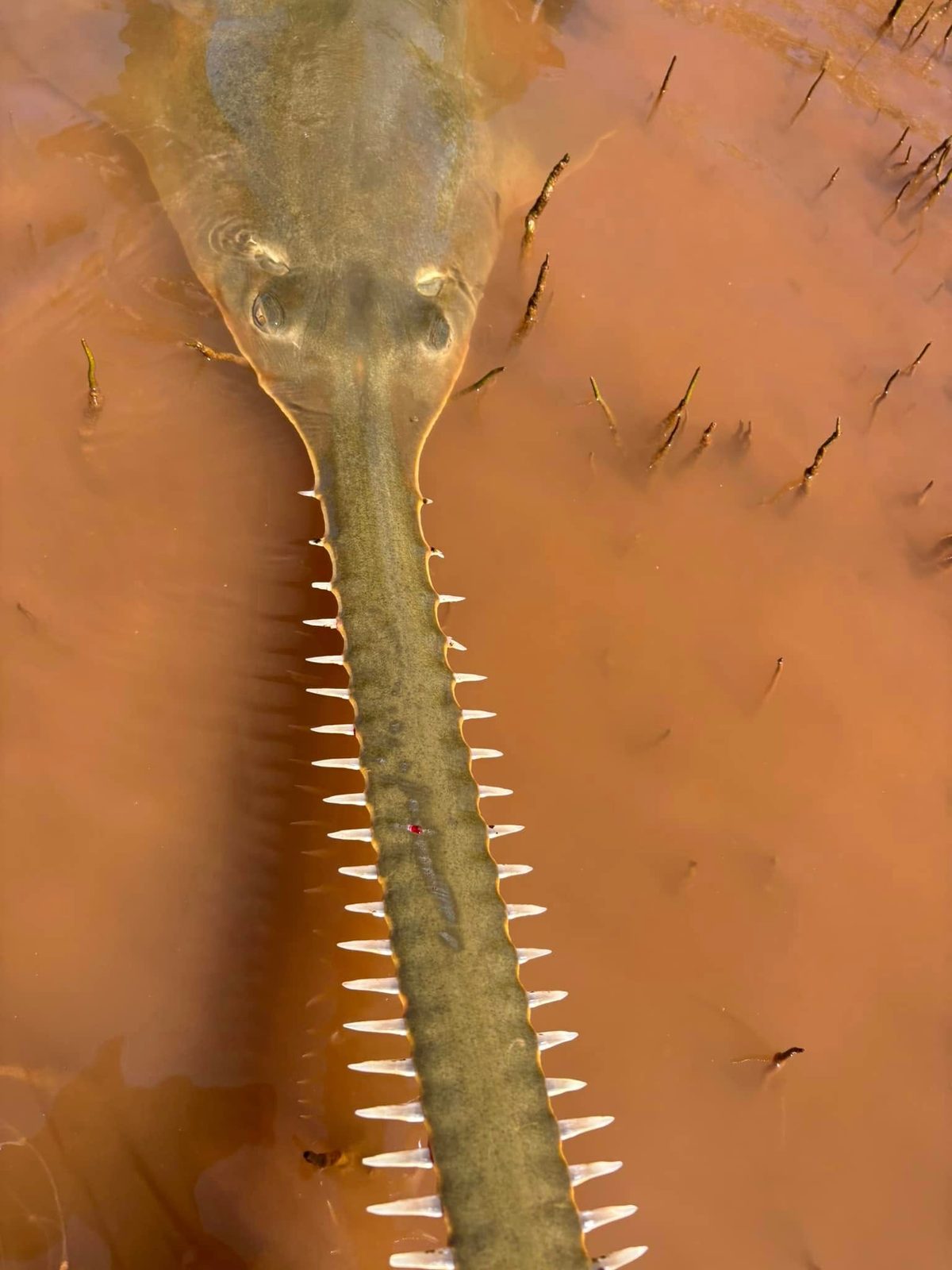
Northwestern Australia Emerges as a Vital ‘Lifeboat’ for Endangered Green Sawfish
When people think of Australian wildlife, the green sawfish (Pristis zijsron) might not be the first creature that comes to mind. However, groundbreaking new research has revealed that northwestern Australian waters could serve as a crucial ‘lifeboat’ for this critically endangered species. A Global Stronghold for an Endangered Icon Easily recognized by the tooth-lined ‘saw’ […]