Unveiling the Crowned Ghost Frog: Secrets of the Neotropical Rainforest
Introduction to the Elusive Ghost Frog Deep within the humid tropical forests of Costa Rica, Panama, Mexico, and Peru resides one of the most fascinating and stealthy amphibians on Earth: the Ghost Frog, scientifically known as Anotheca spinosa and frequently referred to as the Crowned Ghost Frog. As a veterinarian and pet care expert, encountering […]
Introduction to the Elusive Ghost Frog
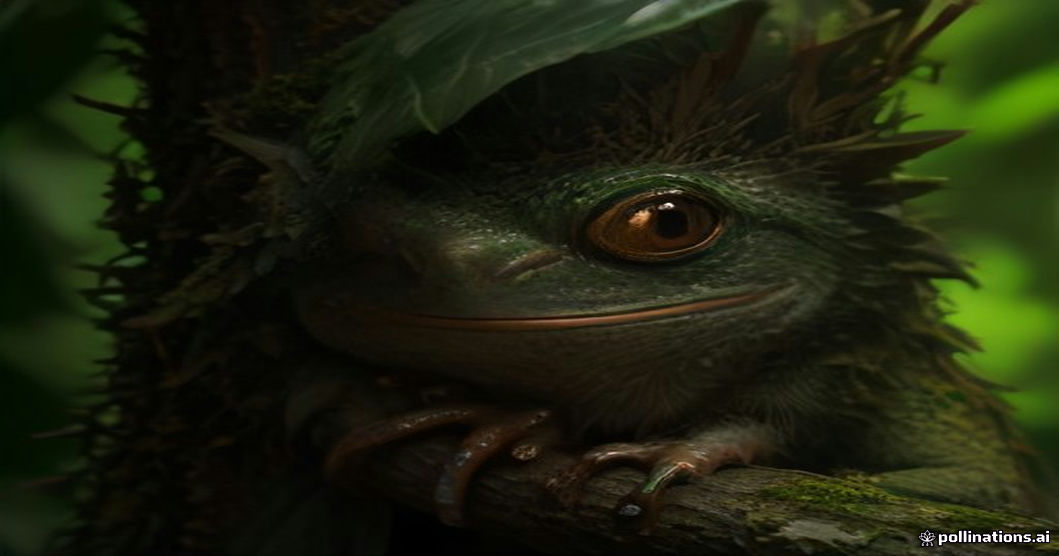
Deep within the humid tropical forests of Costa Rica, Panama, Mexico, and Peru resides one of the most fascinating and stealthy amphibians on Earth: the Ghost Frog, scientifically known as Anotheca spinosa and frequently referred to as the Crowned Ghost Frog. As a veterinarian and pet care expert, encountering species with such specialized adaptations always highlights the sheer brilliance of biodiversity and the delicate balance of tropical ecosystems.
Unique Physical Adaptations
This extraordinary amphibian earns its regal common name from a distinctive row of sharp, bony spines adorning its head, creating the illusion of a miniature crown. Peering out from beneath this spiky crest are a pair of large, captivating, round eyes gleaming in shades of copper or bronze. Furthermore, several sharp spines are scattered across its back, serving as a unique defense mechanism. Combined with a mottled gray-brown coloration that allows it to blend seamlessly into fallen leaves or tree bark, the Ghost Frog is a master of camouflage.
Behavior and Reproduction
True to its enigmatic name, the Ghost Frog’s nocturnal lifestyle and naturally cautious disposition make it nearly elusive in the wild. However, during the breeding season, the forest comes alive with the distinct vocalizations of the males. A male Ghost Frog’s mating call can carry up to a hundred meters away from the tree hollow where he resides. Utilizing this resonant call, he invites prospective partners to a specialized aquatic rendezvous located within a water-filled tree hollow, a hollow bamboo stem, or even the pooling water of giant leaves, ensuring a safe and hidden nursery for their future offspring.
Written by Mohammed Murtaja
Editor-in-Chief & Executive Publisher of ZooPulse. Senior investigative journalist directing evidence-based research, veterinary science verification, and editorial governance.
Related Stories
 Uncategorized
Unlocking the Secrets of the Australian Pineapple Fish: Nature’s Armored Bioluminescent Wonder
Introduction to the Australian Pineapple Fish In the mesmerizing depths of the ocean lies one of the most uniquely armored and fascinating marine creatures: the Australian Pineapple Fish, scientifically known as Cleidopus gloriamaris. As a veterinary and pet care expert focusing on diverse animal species, diving into the biology of exotic aquatic life reveals the […]
 Uncategorized
Mastering the Art of Canine Cleanliness: Insights from a Professional Grooming Lesson
As a veterinarian and pet care advocate, I always emphasize that grooming is much more than just keeping our furry companions looking their best—it is an essential pillar of their overall health and well-being. Recently, I attended an intensive hands-on washing and bathing lesson led by master groomers, and the experience reinforced just how nuanced […]
 Uncategorized
The Majestic Zebrasoma Desjardinii: Nature’s Reef Caretaker
Introduction to the Zebrasoma Desjardinii The Zebrasoma desjardinii, commonly known as the Red Sea Sailfin Tang, is one of the most stunning and beneficial additions to a marine saltwater aquarium. As a prominent member of the surgeonfish family, this magnificent creature combines striking aesthetics with a hardworking attitude towards tank maintenance. Natural Habitat and Algae […]