Unveiling the Fascinating Elephant Shrew: Tiny Giants of the Animal Kingdom
When exploring the diverse and wondrous world of small mammals, few creatures capture the imagination quite like the elephant shrew. Despite sharing a name and a somewhat similar appearance with true shrews, these remarkable animals belong to an entirely different branch of the mammalian family tree. In fact, scientific research has revealed that elephant shrews—scientifically […]
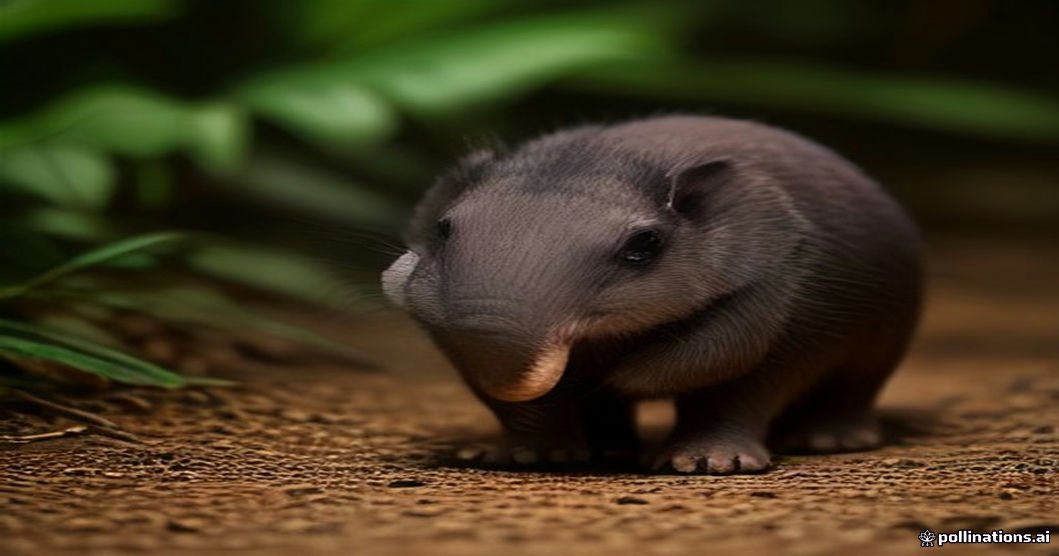
When exploring the diverse and wondrous world of small mammals, few creatures capture the imagination quite like the elephant shrew. Despite sharing a name and a somewhat similar appearance with true shrews, these remarkable animals belong to an entirely different branch of the mammalian family tree. In fact, scientific research has revealed that elephant shrews—scientifically known as macroscelids—are actually more closely related to elephants, manatees, and aardvarks than they are to mice or traditional shrews!
The Anatomy of a Miniature Marvel
The most striking and distinctive feature of the elephant shrew is its remarkably long, flexible snout. This trunk-like nose is not just for show; it is an incredible sensory organ equipped with sensitive whiskers that help the animal forage for insects, spiders, and earthworms in the leaf litter of its native African habitat. Combined with their large eyes and prominent ears, this unique facial structure gives them an endearingly quirky look that instantly charms wildlife enthusiasts.
Surprising Speed and Agility
Don’t let their small size fool you—elephant shrews are built for high-speed survival. They possess surprisingly long, slender legs that allow them to dart across the forest floor and rocky terrain with astonishing agility. Some species can reach speeds of up to 18 miles per hour! To navigate their territory efficiently, they even maintain a complex network of cleared pathways, much like miniature highways, which allow them to make a swift escape from predators like birds of prey and snakes.
Conservation and Understanding Our Ecosystem
As unique inhabitants of African ecosystems, elephant shrews play a vital role in seed dispersal and insect population control. While many species are currently stable, habitat loss and environmental changes pose ongoing threats to some localized populations. By learning more about these extraordinary creatures, we deepen our appreciation for biodiversity and the complex evolutionary webs that connect the tiniest mammals to the largest giants on Earth.
Written by Mohammed Murtaja
Editor-in-Chief & Executive Publisher of ZooPulse. Senior investigative journalist directing evidence-based research, veterinary science verification, and editorial governance.
Related Stories
 Animal News
Tropical Pet Care in Phang Nga, Thailand: A Veterinary Guide to Keeping Pets Safe in Paradise
Adapting to the Tropical Climate of Phang Nga Phang Nga, situated along the Andaman coast of southern Thailand, is renowned for its breathtaking limestone karsts, lush mangrove forests, and pristine beaches. However, this tropical environment presents distinct physiological challenges for domestic pets. High ambient temperatures coupled with intense relative humidity impede a pet’s natural thermoregulation […]
 Animal News
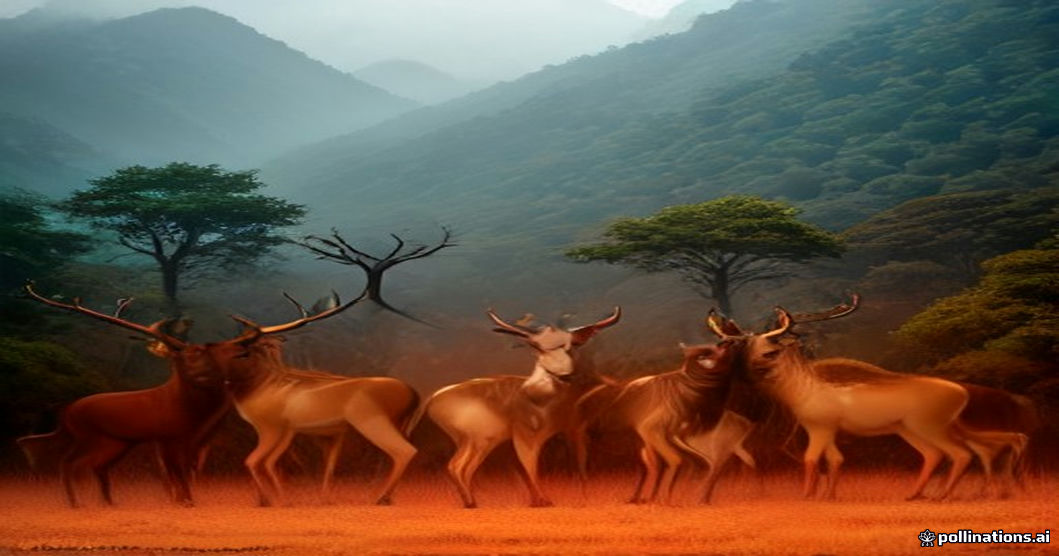
The Bongo Antelope: Anatomy, Ecology, and Adaptations of Africa’s Striking Forest Dweller
Venture deep into the dense lowland canopies and mist-shrouded montane forests of Central Africa, and you may encounter one of the natural world’s most breathtaking ungulates: the bongo antelope (Tragelaphus eurycerus). Ranging from Sierra Leone in West Africa eastward through the Congo Basin to the highlands of Kenya and Uganda, the bongo represents a pinnacle […]
 Animal News
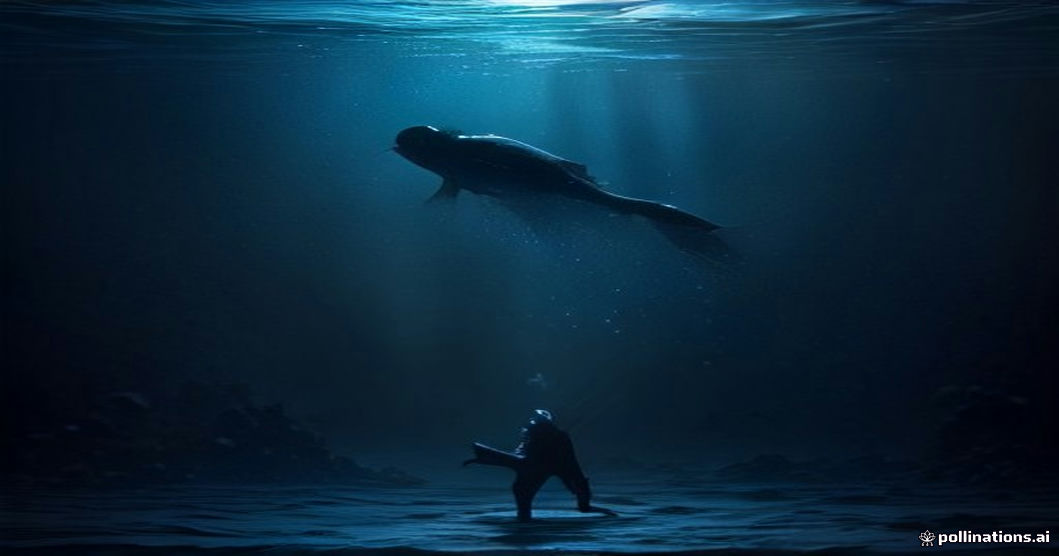
Unveiling the Black Grenadier: A Fascinating Deep-Sea Dweller
Introduction to the Mysterious Black Grenadier In the vast, icy realms of the northern Pacific Ocean lies a creature of profound mystery: the Black Grenadier. As a veterinarian and animal health expert, exploring the biodiversity of our planet’s most extreme environments never ceases to amaze. While not a traditional household pet, understanding the marine life […]