Unveiling the Golden-Headed Lion Tamarin: A Jewel of the Atlantic Forest
Have you ever seen a golden-headed lion tamarin? If not, you are missing out on one of nature’s most dazzling and charismatic primates. Native to the vanishing Atlantic Forest of Bahia, Brazil, the golden-headed lion tamarin (Leontopithecus chrysomelas) is a true masterpiece of evolution, instantly recognizable by its striking, mane-like golden-orange fur contrasting sharply against […]
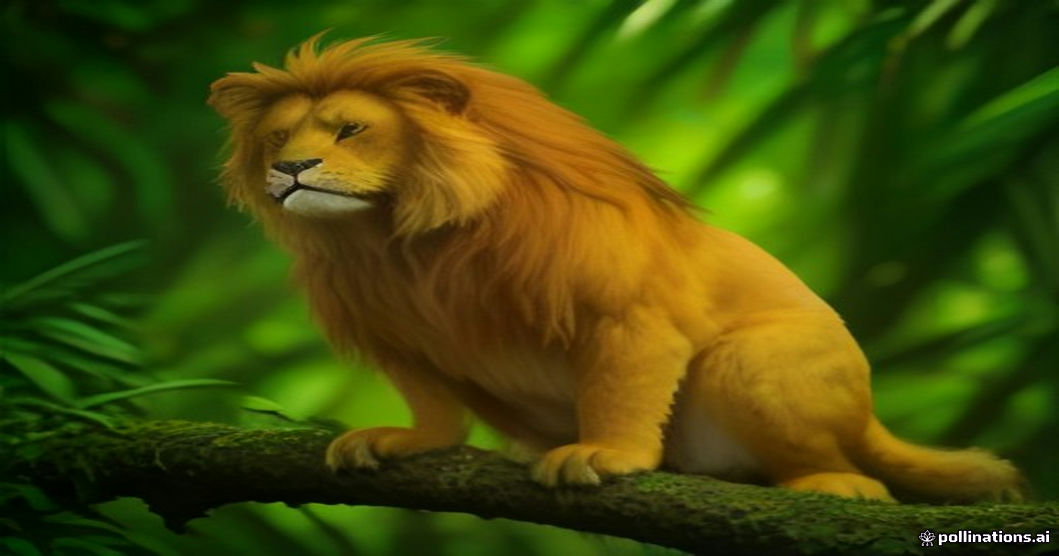
Have you ever seen a golden-headed lion tamarin? If not, you are missing out on one of nature’s most dazzling and charismatic primates. Native to the vanishing Atlantic Forest of Bahia, Brazil, the golden-headed lion tamarin (Leontopithecus chrysomelas) is a true masterpiece of evolution, instantly recognizable by its striking, mane-like golden-orange fur contrasting sharply against its glossy black body and limbs.
A Unique and Specialized Diet
As small arboreal mammals, these tamarins play a crucial role in maintaining the health of their ecosystem. Their diet is remarkably diverse, consisting primarily of sweet tropical fruits, nectar, flowers, and tree gums. However, they are also skilled foragers, using their long, slender fingers to probe into tree bark, bromeliads, and leaf litter in search of protein-rich insects, spiders, and even small vertebrates like tree frogs and lizards.
Social Structure and Family Life
Life in the canopy is a family affair for these New World monkeys. Golden-headed lion tamarins typically live in tight-knit family groups ranging from two to eight individuals, led by a dominant breeding pair. Cooperation is the cornerstone of their society; remarkably, both parents and older siblings actively participate in carrying and caring for the infants, showcasing an advanced level of communal rearing that ensures the survival of the fragile young.
Conservation Status and the Path Forward
Despite their enchanting appearance and ecological importance, golden-headed lion tamarins face severe threats in the wild. Driven primarily by rampant deforestation, habitat fragmentation, and the illegal pet trade, this species is classified as Endangered by the IUCN. Dedicated conservation organizations, international breeding programs, and local wildlife veterinarians work tirelessly to protect remaining habitats, restore corridors between fragmented forests, and rehabilitate rescued individuals, offering a glimmer of hope for the future of these magnificent golden-maned primates.
Written by Mohammed Murtaja
Editor-in-Chief & Executive Publisher of ZooPulse. Senior investigative journalist directing evidence-based research, veterinary science verification, and editorial governance.
Related Stories
 Wildlife
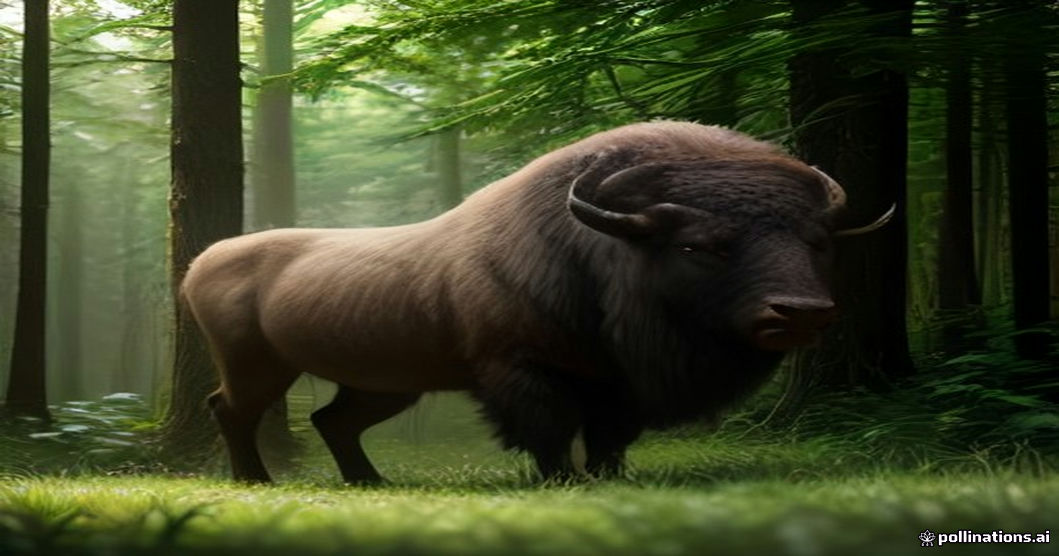
Unveiling the Gentle Giant: The Fascinating World of the European Bison
Meet Europe’s Largest Land Mammal When we think of majestic wildlife, exotic creatures from distant continents often come to mind. However, wandering the dense forests and open grasslands of Europe is a truly magnificent animal that many people overlook: the European bison, also known as the wisent. As a veterinarian and animal care expert, I […]
 Wildlife
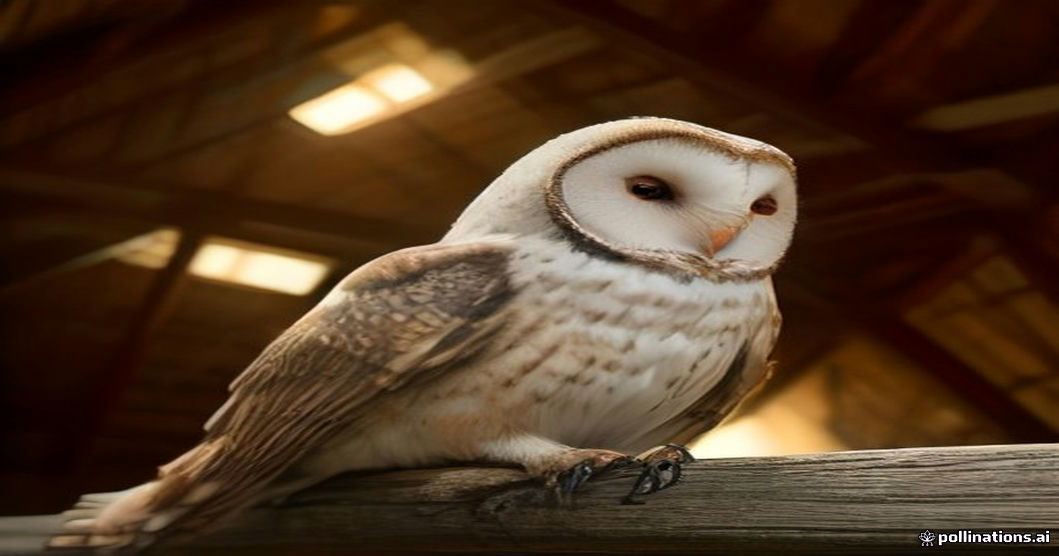
Don’t Disturb the Barn Owls! A Veterinary Guide to Protecting These Silent Guardians
As veterinary professionals and passionate advocates for animal welfare, we often find ourselves championing the care of domestic pets. However, the scope of animal health extends far beyond our household companions into the vital realm of wildlife conservation. One species that profoundly impacts our local ecosystems—and deserves our utmost respect and protection—is the magnificent barn […]
 Wildlife
 Resilience in Antarctica: Surviving the Ice
The Untamed Beauty of the Frozen Continent Antarctica is often perceived as a desolate wasteland, yet this remarkable place is striking in its beauty. Towering blue glaciers, endless expanses of pristine snow, and dramatic mountain peaks create a breathtaking landscape that captures the imagination of travelers and scientists alike. But beneath this icy exterior lies […]