Unveiling the Golden Snub-Nosed Monkey: China’s Rare Mountain Primate
Introduction to the Golden Snub-Nosed Monkey The Golden Snub-Nosed Monkey (Pygathrix roxellana) is one of the most visually striking and fascinating primates in the animal kingdom. Inhabiting the lush forests of Southern and Central China, with particularly thriving populations in Sichuan’s Wolong National Nature Reserve, this remarkable species has long captured the human imagination, frequently […]
Introduction to the Golden Snub-Nosed Monkey
The Golden Snub-Nosed Monkey (Pygathrix roxellana) is one of the most visually striking and fascinating primates in the animal kingdom. Inhabiting the lush forests of Southern and Central China, with particularly thriving populations in Sichuan’s Wolong National Nature Reserve, this remarkable species has long captured the human imagination, frequently gracing the surfaces of ancient Chinese vases and delicate silk paintings.
Unique Appearance and Taxonomy
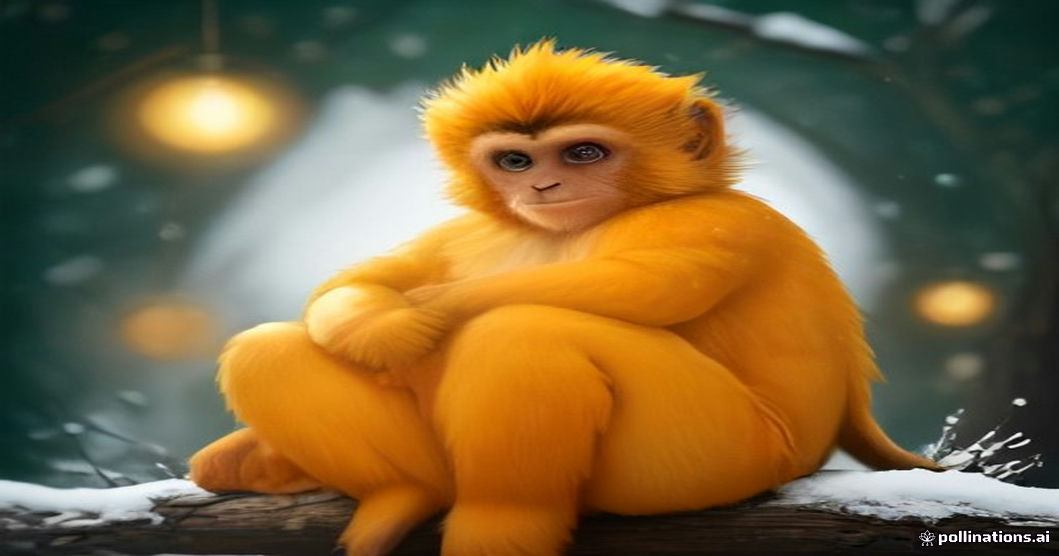
True to their name, these primates boast a brilliant, fiery orange-gold coat that contrasts sharply with a serene, pale blue face and an exceptionally short, upturned nose. Interestingly, the species’ specific epithet, roxellana, draws a historical parallel to Roxelana, the famed wife of Ottoman Sultan Suleiman the Magnificent, who was celebrated for her distinctive upturned nose.
Habitat, Behavior, and Seasonal Migration
Living primarily in subtropical yet mountainous regions at elevations ranging from 1,500 to 3,000 meters, these resilient creatures have earned the endearing local nickname “snow monkeys.” Their survival strategy involves remarkable seasonal migrations: during the scorching summer months, they ascend to higher, cooler altitudes, whereas in the bitter winter, they descend to elevations of around 1,000 meters above sea level to find more favorable foraging conditions.
Conservation Status
Despite their breathtaking beauty and adaptability, Golden Snub-Nosed Monkeys face significant threats in the wild. Due to habitat fragmentation and human encroachment, they remain quite rare and are currently listed as endangered in the Red Data Book, making ongoing conservation efforts critical to safeguarding their future.
Written by Mohammed Murtaja
Editor-in-Chief & Executive Publisher of ZooPulse. Senior investigative journalist directing evidence-based research, veterinary science verification, and editorial governance.
Related Stories
 Animal News
What Are You? Decoding the Mysterious World of Canine and Feline Communication
Introduction: The Age-Old Question As pet care experts and veterinarians, we often find ourselves playing the role of translator between two entirely different species. When we look into our pets’ eyes, we might jokingly ask, ‘What are you? A tiny furry dictator, or a sweet angel?’ But behind this playful question lies a profound truth: […]
 Animal News
The Joyful World of Otter Dances: Behavior, Play, and Animal Health
Understanding the Playful Nature of Otters When we think of aquatic mammals, few capture our hearts quite like the otter. Known for their intelligence, sleek agility, and endearing antics, otters frequently engage in a behavior that observers affectionately call the ‘otter dance.’ Whether spinning in the water, rolling on riverbanks, or sliding down muddy slopes, […]
 Animal News
Majestic Realms: Understanding the Health and Well-Being of Guard and Estate Dogs
When we envision the grandeur of historic castles, we often picture towering stone walls, sweeping courtyards, and centuries of rich history. However, these magnificent estates were rarely empty; they were historically guarded and accompanied by powerful, noble breeds of dogs designed to protect these vast territories. The Legacy of Estate Guardians From the Mastiff pacing […]