Unveiling the Mysteries of the Pelican Eel: The Abyss’s Bizarre Giant-Mouthed Hunter
Introduction to the Deep Sea Marvel As veterinary professionals and marine animal health enthusiasts, we are endlessly fascinated by the sheer diversity of life on Earth. While our daily work often centers on domestic companions, exploring the adaptations of extreme wildlife expands our understanding of biology and animal physiology. Enter the Pelican Eel (Eurypharynx pelecanoides), […]
Introduction to the Deep Sea Marvel
As veterinary professionals and marine animal health enthusiasts, we are endlessly fascinated by the sheer diversity of life on Earth. While our daily work often centers on domestic companions, exploring the adaptations of extreme wildlife expands our understanding of biology and animal physiology. Enter the Pelican Eel (Eurypharynx pelecanoides), one of the most extraordinary and enigmatic inhabitants of the ocean’s twilight and midnight zones.
Anatomical Marvels: The Mouth and Pouch
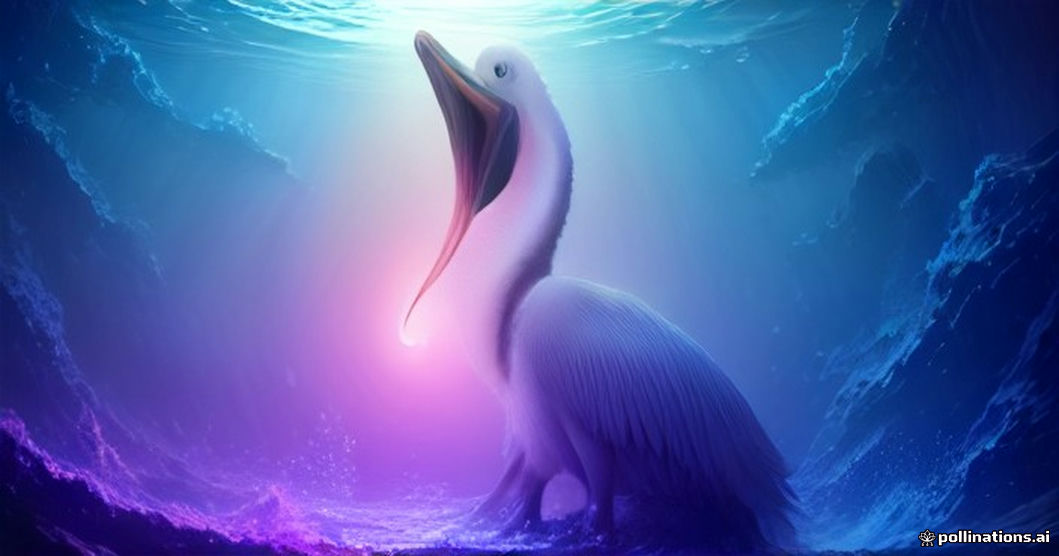
The most striking feature of the pelican eel is its disproportionately massive head and cavernous mouth, reminiscent of a pelican’s throat pouch. This specialized anatomy allows the eel to engulf prey much larger than itself, a crucial adaptation in the nutrient-scarce environment of the deep sea. Coupled with an elongated, whip-like tail adorned with a bioluminescent organ—known as a photophore—that glows with a soft pink or red light, this species has mastered the art of deep-sea survival and luring.
Habitat, Distribution, and Biology
Found in temperate and tropical oceans worldwide, the pelican eel thrives in the bathypelagic zone at staggering depths ranging from 500 to 3,000 meters. Reaching impressive lengths between 60 to 180 centimeters while weighing up to 1 kilogram, this slender creature glides through the crushing pressures and perpetual darkness of the deep ocean. Studying such specialized aquatic lifeforms reminds us of the incredible resilience and evolutionary ingenuity found across the animal kingdom.
Written by Mohammed Murtaja
Editor-in-Chief & Executive Publisher of ZooPulse. Senior investigative journalist directing evidence-based research, veterinary science verification, and editorial governance.
Related Stories
 Animal News
Chilling and Thinking: Understanding Your Pet’s Quiet Moments
The Mystery of the Quiet Pet As pet parents, we are often charmed by our furry companions’ hyperactive moments—the zoomies, the enthusiastic tail wags, and the eager invitation to play. However, some of the most profound insights into our pets’ health and well-being come from their quietest moments. When a dog or cat sits calmly, […]
 Animal News
Unleashing the Inner Warrior: Understanding Ursine Agility, Coordination, and Play Behavior
When we witness footage of a bear spinning a stick with martial arts-like precision, it is hard not to think of classic kung fu movies. While these magnificent creatures are not actually studying ancient eastern philosophies, the viral perception that ‘this bear knows kung fu’ highlights a fascinating aspect of ursine biology: incredible agility, hand-eye […]
 Animal News
Beyond the Zoomies: A Comprehensive Guide to Nurturing Your Playful Kitten’s Development
The Biological Purpose of Kitten Play To the untrained eye, a kitten pouncing on a shadow or racing across the living room may look like pure chaos. However, from a veterinary perspective, play is a vital developmental milestone. It is during these high-energy bursts that kittens hone their predatory instincts, develop motor coordination, and build […]