Unveiling the Mysteries of the Spectacled Owl: A Comprehensive Avian Overview
Introduction to the Spectacled Owl The Spectacled Owl (Pulsatrix perspicillata) is one of the most charismatic and visually striking raptors native to the Neotropical realms. Inhabiting regions across South America up to 1,000 meters above sea level, this magnificent bird thrives in diverse environments ranging from humid tropical forests and wooded savannahs to dry forests. […]
Introduction to the Spectacled Owl
The Spectacled Owl (Pulsatrix perspicillata) is one of the most charismatic and visually striking raptors native to the Neotropical realms. Inhabiting regions across South America up to 1,000 meters above sea level, this magnificent bird thrives in diverse environments ranging from humid tropical forests and wooded savannahs to dry forests. As a professional veterinarian and avian enthusiast, understanding the natural history and physiological needs of this species is crucial for appreciating its role in the ecosystem.
Physical Characteristics and Dimorphism
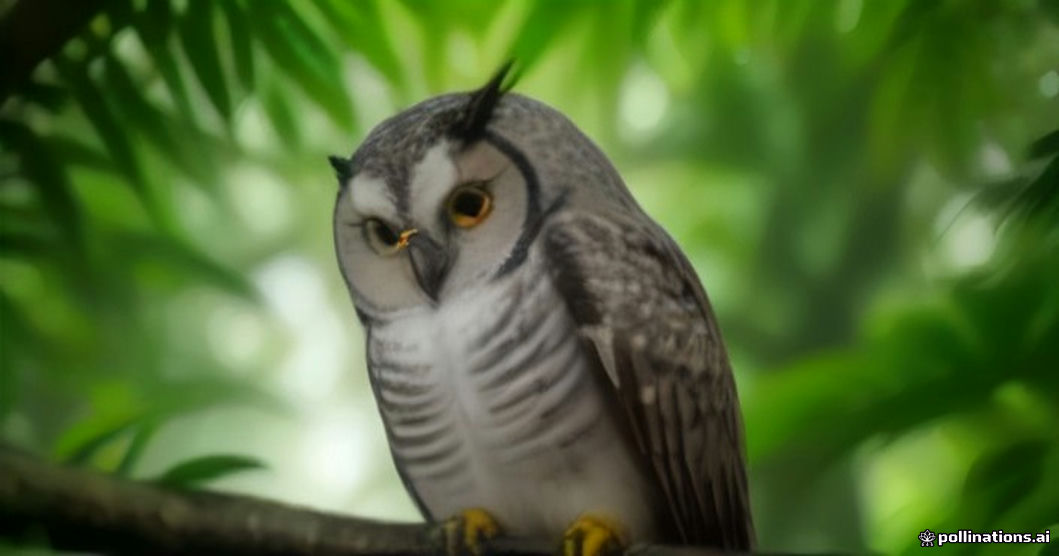
Recognizable by its distinctive plumage, the Spectacled Owl boasts a deep dark brown back and head, contrasted by a striking whitish to yellowish-orange belly, a prominent white patch on the throat, and a distinct dark brown band crossing the chest. True to its common name, it features striking white “spectacles” framing its luminous yellow eyes. Exhibiting reverse sexual dimorphism typical of many raptors, adult males generally measure between 40 to 50 cm in body length and weigh from 450 to 1,100 grams, while females are noticeably larger, weighing between 700 and 1,250 grams.
Behavior and Nocturnal Habits
Primarily nocturnal hunters, Spectacled Owls spend their daylight hours roosting safely hidden in dense foliage. However, they may occasionally display activity during heavily overcast or gloomy days. Their survival strategy relies heavily on stealth and acute sensory adaptations, allowing them to navigate complex forest structures under the cover of darkness.
Diet and Hunting Mechanics
As opportunistic carnivores, Spectacled Owls possess a diverse and robust diet. Their natural prey includes small mammals such as mice, opossums, and even skunks, alongside a significant amount of insects, caterpillars, bats, birds (up to the size of jays), crabs, and frogs. When hunting, these owls utilize elevated perches to patiently survey their surroundings. Once potential prey is spotted, they execute a swift, silent descent to ambush and capture their meal with precision.
Written by Mohammed Murtaja
Editor-in-Chief & Executive Publisher of ZooPulse. Senior investigative journalist directing evidence-based research, veterinary science verification, and editorial governance.
Related Stories
 Uncategorized
Unveiling the Mysterious Lynx: Why This Elusive Feline Defies Feline Fear
Introduction to the Ghost of the Woods When we think of wild felines, our minds typically conjure images of elusive predators that flee at the mere scent of a human. From stealthy leopards to cautious bobcats, most wild cats possess an innate wariness of mankind. However, the majestic lynx stands apart as one of the […]
 Uncategorized
Pet Travel Safety: Exploring Arctic Landscapes Like the Lofoten Islands
The Call of the Wild: Traveling with Your Pet Imagine the breathtaking beauty of a colorful sunset painting the sky over the dramatic peaks and pristine waters of the Lofoten Islands. For many pet owners, the dream of sharing these majestic landscapes with a canine companion is a powerful motivator for travel. However, taking your […]
 Uncategorized
Mastering the Art of Canine Cleanliness: Insights from a Professional Grooming Lesson
As a veterinarian and pet care advocate, I always emphasize that grooming is much more than just keeping our furry companions looking their best—it is an essential pillar of their overall health and well-being. Recently, I attended an intensive hands-on washing and bathing lesson led by master groomers, and the experience reinforced just how nuanced […]