Unveiling the Mysterious Lynx: Why This Elusive Feline Defies Feline Fear
Introduction to the Ghost of the Woods When we think of wild felines, our minds typically conjure images of elusive predators that flee at the mere scent of a human. From stealthy leopards to cautious bobcats, most wild cats possess an innate wariness of mankind. However, the majestic lynx stands apart as one of the […]
Introduction to the Ghost of the Woods
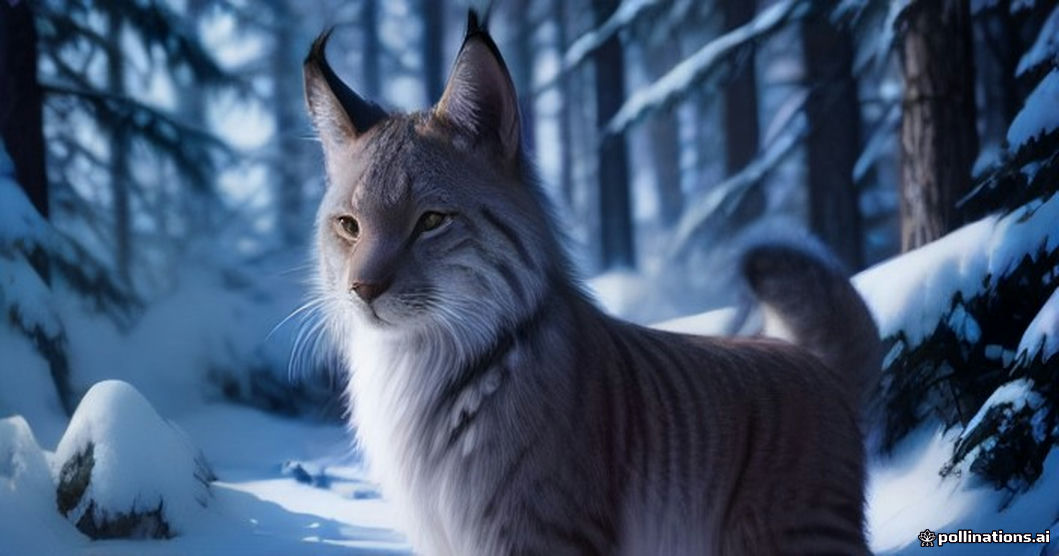
When we think of wild felines, our minds typically conjure images of elusive predators that flee at the mere scent of a human. From stealthy leopards to cautious bobcats, most wild cats possess an innate wariness of mankind. However, the majestic lynx stands apart as one of the few feline species that is not inherently afraid of humans. As a professional veterinarian and wildlife health expert, I often encounter fascinating behavioral anomalies in the animal kingdom, but the lynx’s calm demeanor toward human presence remains uniquely captivating.
Behavioral Ecology: Curiosity vs. Confidence
Understanding why the lynx behaves differently requires a look into its natural habitat and evolutionary history. Native to the remote, snowy forests of North America, Europe, and Asia, lynx populations historically experienced limited direct contact with human civilization. Because they apex predators in their snowy ecosystems, they rarely encountered creatures larger or more dangerous than themselves. This lack of historical predation translates into a curious, rather than fearful, disposition when they cross paths with hikers or researchers.
Health, Safety, and Coexistence
While the lynx is generally not afraid of humans, it is crucial to remember that they are still wild carnivores. Their lack of fear does not mean they are domesticated pets; rather, it reflects a stoic confidence. From an animal welfare perspective, respecting their space is paramount. Encounters are rare, but keeping a safe distance ensures both human safety and the reduction of undue stress for these magnificent wild cats. Appreciating their unique fearlessness reminds us of the delicate balance required to coexist with our planet’s most extraordinary wildlife.
Written by Mohammed Murtaja
Editor-in-Chief & Executive Publisher of ZooPulse. Senior investigative journalist directing evidence-based research, veterinary science verification, and editorial governance.
Related Stories
 Uncategorized
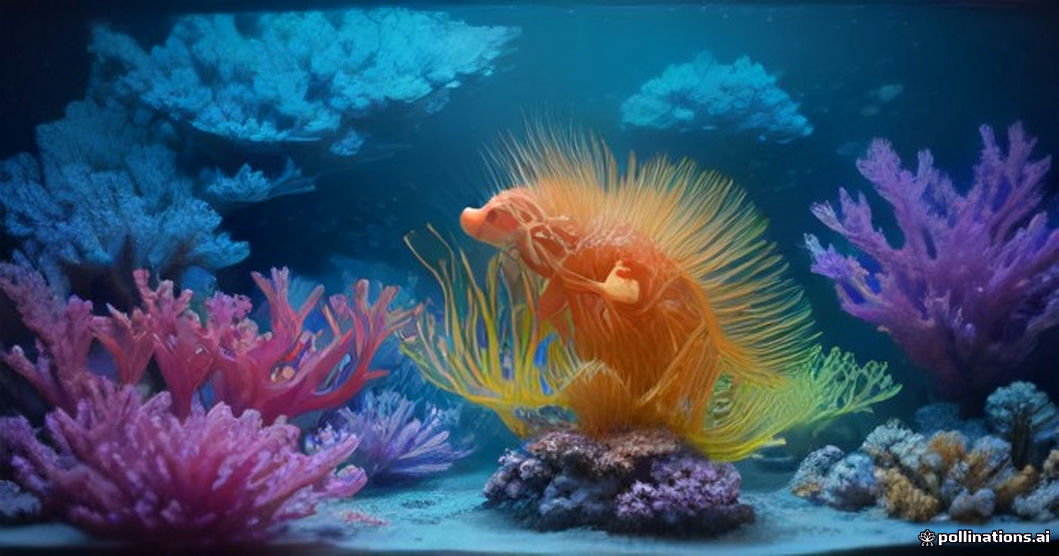
Unveiling the Dancing Shrimp: Rhynchocinetes uritai in Nature and Aquaria
Introduction to the Dancing Shrimp Native to the vibrant waters of the Indo-Pacific region, including the coastal areas of Japan, Korea, and the northern Pacific, Rhynchocinetes uritai—commonly known as the Dancing Shrimp—is a fascinating marine crustacean. Thriving in shallow waters ranging from 1 to 5 meters deep, these social creatures are typically found congregating in […]
 Uncategorized
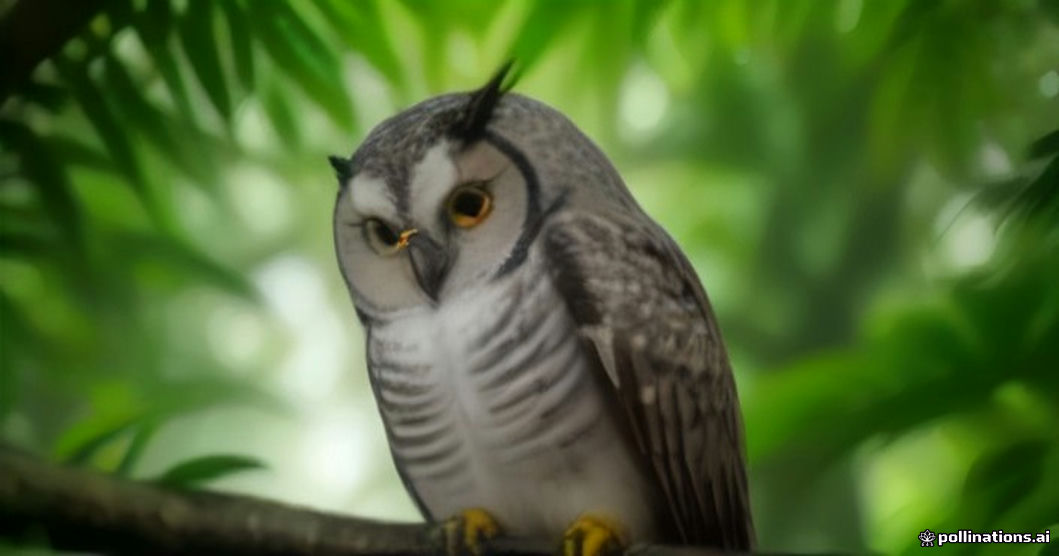
Unveiling the Mysteries of the Spectacled Owl: A Comprehensive Avian Overview
Introduction to the Spectacled Owl The Spectacled Owl (Pulsatrix perspicillata) is one of the most charismatic and visually striking raptors native to the Neotropical realms. Inhabiting regions across South America up to 1,000 meters above sea level, this magnificent bird thrives in diverse environments ranging from humid tropical forests and wooded savannahs to dry forests. […]
 Uncategorized
Pet Travel Safety: Exploring Arctic Landscapes Like the Lofoten Islands
The Call of the Wild: Traveling with Your Pet Imagine the breathtaking beauty of a colorful sunset painting the sky over the dramatic peaks and pristine waters of the Lofoten Islands. For many pet owners, the dream of sharing these majestic landscapes with a canine companion is a powerful motivator for travel. However, taking your […]