Venturing into Campo de Piedra Pomés: A Veterinary Guide to Extreme Arid Landscapes with Your Dog
Exploring the Lunar Wonder of Campo de Piedra Pomés Tucked away in the high-altitude Puna region of Catamarca, Argentina, the Campo de Piedra Pomés is one of the most surreal geological formations on Earth. Characterized by miles of blinding white, wave-like pumice stone carved by fierce Andean winds, this unique destination resembles an alien lunar […]
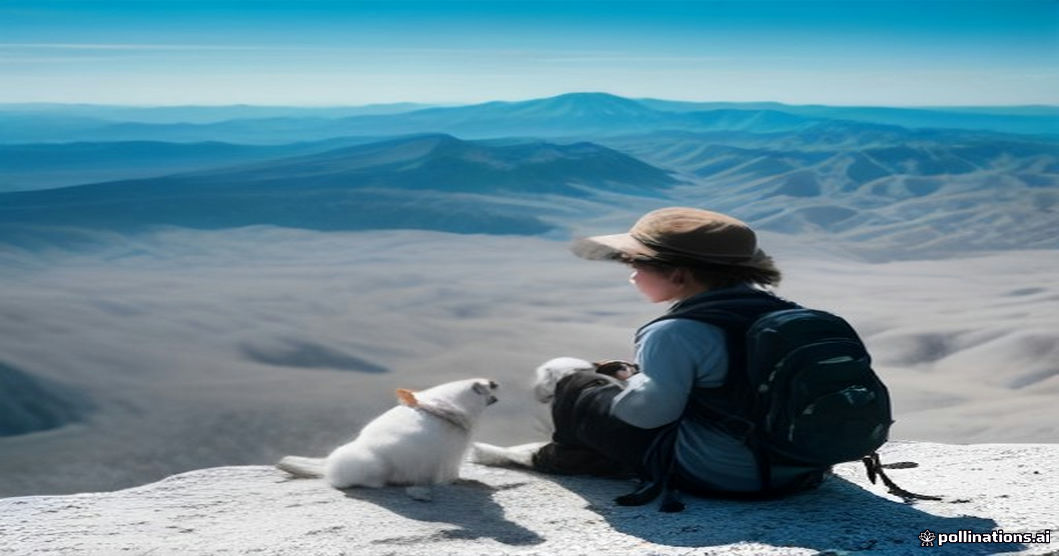
Exploring the Lunar Wonder of Campo de Piedra Pomés
Tucked away in the high-altitude Puna region of Catamarca, Argentina, the Campo de Piedra Pomés is one of the most surreal geological formations on Earth. Characterized by miles of blinding white, wave-like pumice stone carved by fierce Andean winds, this unique destination resembles an alien lunar scape. While adventurous pet owners are increasingly drawn to remote expeditions with their canine companions, traversing such an extreme environment requires careful veterinary consideration. The combination of high elevation, intense solar radiation, abrasive terrain, and profound aridity poses distinct physiological challenges for pets.
High-Altitude Physiology and Hypoxia in Canines
Campo de Piedra Pomés sits at an elevation exceeding 3,000 meters (roughly 10,000 feet) above sea level. Just like humans, domestic animals are susceptible to the effects of hypobaric hypoxia—reduced atmospheric pressure leading to decreased oxygen availability in the blood. Dogs unaccustomed to high altitudes can experience acute mountain sickness, manifested through sudden lethargy, tachypnea (rapid breathing), loss of appetite, vomiting, and, in severe cases, high-altitude pulmonary edema (HAPE). Pet parents must allow for gradual acclimatization over several days before engaging in any physical exertion, continuously monitoring gum color and respiratory effort.
Paw Protection Against Abrasive Volcanic Pumice
Pumice is essentially solidified volcanic froth consisting of vesicular, sharp-edged volcanic glass. While lightweight, walking on raw pumice fields can be exceptionally punishing on canine paw pads. The abrasive texture can rapidly strip the keratinized layer of the digital and metacarpal pads, leading to painful micro-tears, ulcerations, and potential secondary bacterial infections. Equipping your dog with durable, breathable hiking booties with reinforced rubber outsoles is essential. Additionally, applying a dense paw wax or barrier balm before and after the trek helps maintain pad suppleness and prevents cracking caused by extreme dryness.
Combating Extreme Dehydration and Aridity
The Argentine Puna is an hyper-arid desert with virtually nonexistent ambient humidity. Dogs do not sweat efficiently like humans; their primary cooling mechanism is panting, which causes massive insensible moisture loss through the respiratory tract. In dry, high-altitude climates, this moisture loss accelerates significantly, predisposing pets to rapid clinical dehydration. It is vital to carry abundant fresh, potable water and offer small amounts frequently rather than large volumes infrequently, which can induce gastrointestinal upset. Supplementing with pet-safe electrolytes under veterinary guidance can also assist in maintaining systemic cellular balance.
Ultraviolet Radiation and Environmental Protection
Because the atmosphere is substantially thinner at higher elevations and the reflective white pumice acts as a giant natural mirror, UV radiation at Campo de Piedra Pomés is exceptionally severe. Dogs with light pigmentation, thin coats, or pink skin around the nose, ears, and groin are at a high risk for solar dermatitis and secondary skin carcinomas. Veterinarians recommend applying pet-specific, non-toxic, zinc-oxide-free sunscreen to vulnerable areas. Protective canine goggles (such as Rex Specs) are also strongly advised to protect sensitive eyes from UV damage, windblown volcanic silica dust, and particulate irritation.
Field Safety and Wilderness First-Aid Preparedness
The remote nature of the Catamarca desert means professional veterinary assistance is hours, if not days, away. Before embarking on such an adventure, pet owners should carry a comprehensive canine first-aid kit containing sterile saline eyewash, topical antimicrobial ointments, cohesive bandages (Vetwrap), digital thermometers, and antihistamines prescribed by a veterinarian. Knowing when to abort the trip and initiate an immediate descent to lower altitudes is the ultimate responsibility of any adventure-oriented pet parent.
Written by Mohammed Murtaja
Editor-in-Chief & Executive Publisher of ZooPulse. Senior investigative journalist directing evidence-based research, veterinary science verification, and editorial governance.
Related Stories
 Uncategorized
Paws in the Metropolis: Navigating Pet Care in Hong Kong
Introduction to Urban Pet Ownership in Hong Kong Hong Kong is a bustling, high-density metropolis known for its towering skyscrapers, vibrant street life, and fast-paced environment. Yet, amidst the urban concrete jungle, a thriving community of dedicated pet owners continues to grow. Caring for pets in such a compact city presents unique challenges and rewarding […]
UncategorizedSea Anemones: The Ocean’s Masters of Disguise and Invertebrate Survival
Introduction to the Fascinating Sea Anemone As animal health and marine biology experts, we often look to the ocean’s most unique creatures to understand the incredible adaptations of nature. Among the most remarkable is the sea anemone. Despite their plant-like appearance, these creatures are actually predatory marine animals related to corals and jellyfish. Without a […]
UncategorizedThe Art of Motivating Your Pet: Understanding Curiosity, Cravings, and Nutritional Health
Every pet owner knows that magical moment: the instant rustle of a treat bag, the subtle clink of a kibble scoop, or the opening of a can, and suddenly your furry friend appears from thin air. As the saying goes, they ‘came out for something tasty!’ But behind those eager eyes and hopeful whimps lies […]