
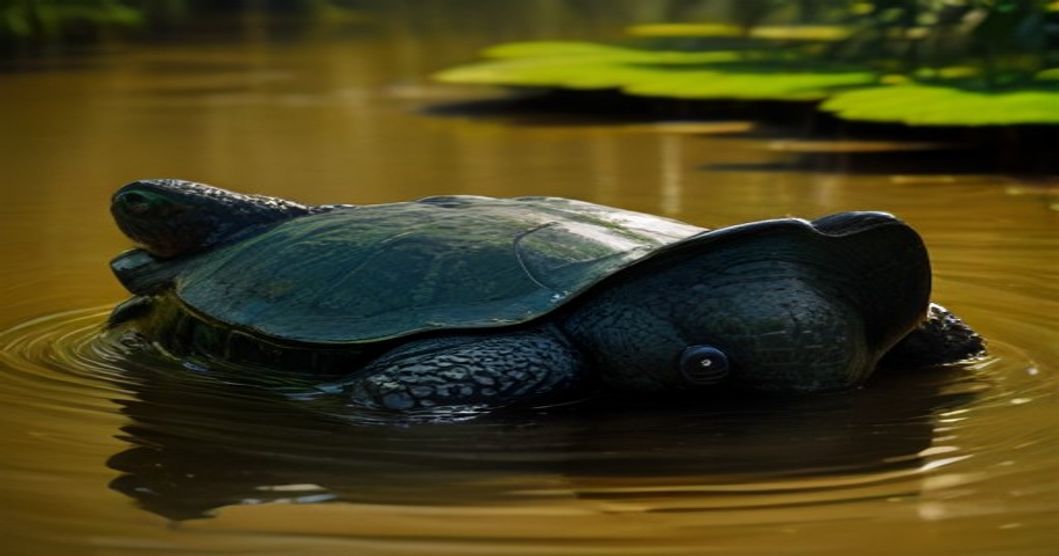
Introduction to the Snapping Turtle
The Common Snapping Turtle (Chelydra serpentina) is one of North America’s most iconic and resilient freshwater reptiles. Known for its prehistoric appearance and formidable jaw strength, this remarkable species plays a vital ecological role as both an apex predator and an efficient scavenger in aquatic ecosystems.
Physical Characteristics and Defensive Behavior
Adult snapping turtles are impressive in size, featuring a thick, spiky carapace that can reach up to 35 centimeters in length. While an average adult weighs around 14 kilograms, exceptional specimens can reach weights of up to 30 kilograms. Unlike many other turtle species, the snapping turtle has a reduced plastron (bottom shell), which leaves its limbs somewhat exposed. To compensate for this physical vulnerability on land, the turtle relies on a powerful defense mechanism: stretching its surprisingly long neck with incredible speed to deliver a severe bite when threatened.
Remarkable Adaptation and Cold Resistance
One of the most extraordinary aspects of Chelydra serpentina is its high tolerance to frigid temperatures. In northern regions, snapping turtles undergo a state of dormancy known as brumation, lasting from October to May. During this time, they burrow into the soft mud at the bottom of frozen water bodies, absorbing small amounts of oxygen through specialized tissues. Intriguingly, these turtles remain surprisingly active beneath the ice and are occasionally observed swimming under frozen surfaces or walking directly across ice sheets during mid-winter thaws.
Veterinary and Ecological Importance
From a veterinary and ecological standpoint, the snapping turtle is a key indicator of freshwater ecosystem health. While their defensive reputation on land is well-documented, they are generally docile in deep water, preferring to swim away from potential threats. Wildlife experts and veterinarians emphasize the importance of leaving wild populations undisturbed, as improper handling can lead to severe injuries for both human and turtle alike. Understanding and respecting these ancient reptiles ensures the continued preservation of our freshwater wetlands.