
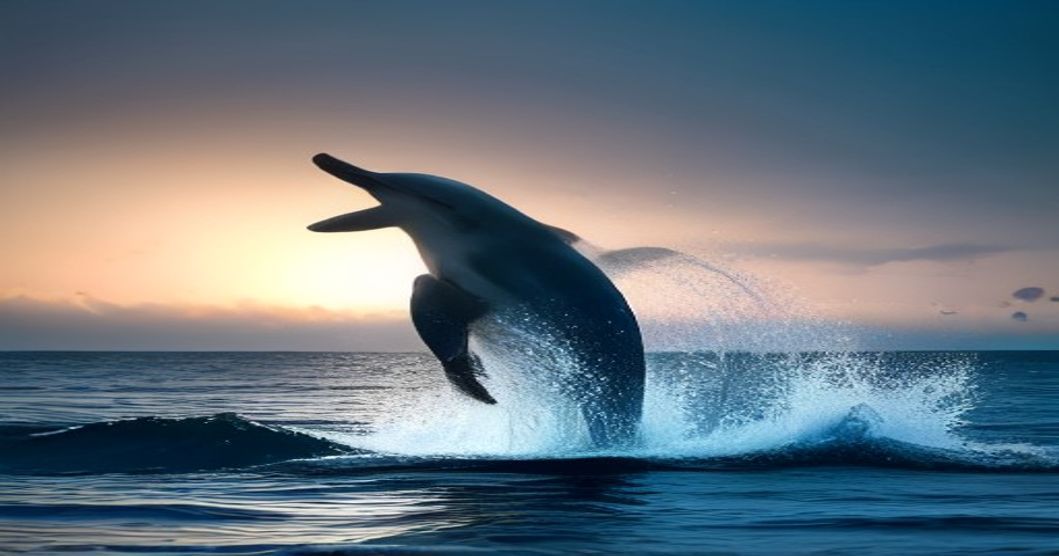
Nestled along the picturesque coastline of Santa Catarina, Brazil, the town of Laguna stands as a breathtaking intersection of historic charm, dramatic Atlantic landscapes, and marine biodiversity. While its colonial architecture, rolling dunes, and majestic lighthouses draw visitors from around the globe, Laguna holds a far more extraordinary biological marvel: a generations-old, cooperative fishing alliance between local artisanal fishermen and a localized population of wild Lahille’s bottlenose dolphins (Tursiops truncatus gephyreus).
The Ethology of Interspecies Collaboration
From a veterinary and animal behavior perspective, the cooperative foraging observed in Laguna is one of the world’s most compelling examples of wild mutualism between humans and marine mammals. In the murky estuarine waters, dolphins use echolocation to detect schools of mullet (Mugil liza). They purposefully drive the fish toward a line of wading fishermen waiting in shallow waters. Once the prey is trapped, the dolphins signal the fishermen by performing a distinct visual cue—such as a abrupt head slap or tail dive. When the fishermen cast their nets in response, the mullet school breaks, allowing the dolphins to effortlessly catch disoriented fish that escape the nets.
Cognitive Intelligence and Cultural Transmission
As animal health and behavior experts, we recognize that this interaction is not merely an instinctive reflex, but a learned cultural tradition passed down through dolphin generations. Maternal transmission plays a critical role: calves observe their mothers participating in the cooperative drive and acquire the specialized foraging technique over several years. This complex social learning underscores the advanced cognitive capacity, adaptability, and problem-solving skills inherent in cetaceans. Furthermore, this natural foraging behavior provides psychological enrichment for the dolphin population, promoting social cohesion and physical wellness without human reliance on artificial feeding.
Marine Health, Conservation, and Ecological Balance
Ensuring the longevity of Laguna’s unique human-dolphin ecosystem requires rigorous wildlife conservation and habitat protection. Veterinary research indicates that wild cetaceans face growing threats from coastal pollution, acoustic disturbance, vessel strikes, and accidental entanglement in non-traditional fishing gear. Maintaining the health of the local estuarine ecosystem—by monitoring water quality, regulating coastal development, and supporting sustainable, traditional fishing practices—is essential for safeguarding both the dolphins’ natural prey base and their overall immunological health.
A Model for Responsible Eco-Tourism
Laguna offers a profound lesson in how human communities and wild animals can coexist in calm harmony. For pet owners, animal lovers, and conservationists alike, witnessing this respectful bond serves as a powerful reminder of animal intelligence and emotional depth. When visiting such ecologically sensitive regions, tourists are encouraged to support eco-friendly operators, maintain respectful distances from wildlife, and advocate for marine conservation initiatives that protect these intelligent ocean allies for generations to come.