
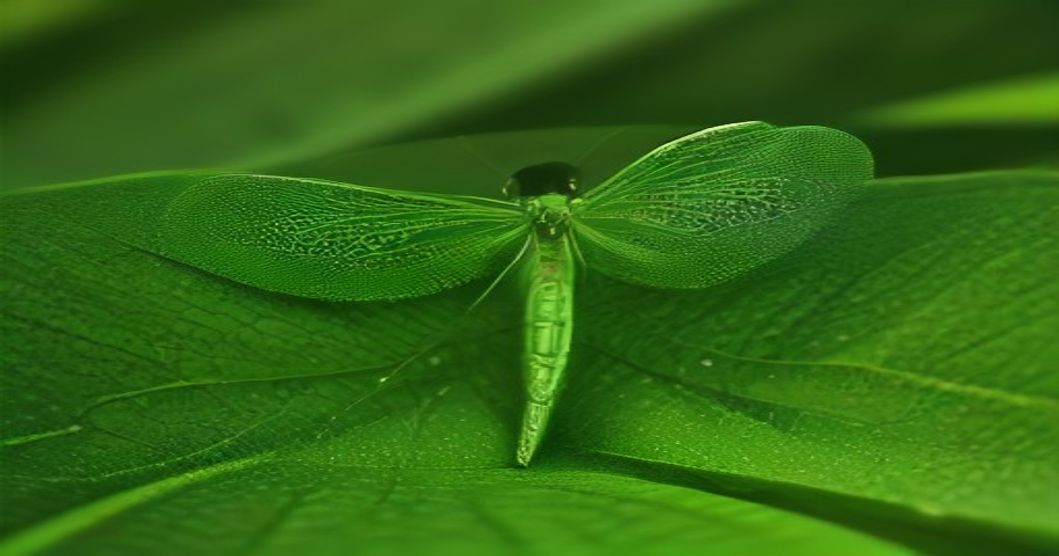
An Ancient Order of Aquatic Insects
Mayflies, belonging to the order Ephemeroptera, represent one of the most fascinating and ancient groups of winged insects on Earth. The name Ephemeroptera originates from the Greek words ephemeros, meaning ‘lasting only a day,’ and pteron, meaning ‘wing.’ This scientific designation perfectly captures the delicate and transient adult existence of these remarkable creatures, which have inhabited freshwater ecosystems for hundreds of millions of years.
Designed Exclusively for Reproduction
One of the most biologically surprising aspects of the adult mayfly is its complete physiological dedication to reproduction. Upon reaching their adult stage, mayflies do not feed at all; in fact, they entirely lack functional jaws, mouthparts, and a working digestive system. Their brief adult phase is entirely optimized for a single, crucial mission: finding a mate and ensuring the continuation of their species before their limited energy reserves run out.
Mass Emergences and Synchronized Aerial Dances
To maximize reproductive success, mayflies frequently participate in massive, synchronized emergences. During these spectacles, thousands—sometimes millions—of insects take to the air near rivers and lakes in dense swarms. Their flight display is a captivating rhythm of rapid upward wing beats followed by gentle gliding descents. This precise aerial maneuver is stabilized by their large, translucent forewings and extraordinarily long, thread-like tail filaments.
Completing the Cycle and Ecological Significance
The conclusion of the mayfly’s life cycle occurs with swift elegance. Shortly after mating in mid-air, male mayflies perish. The females then deposit their eggs directly into clean bodies of water, either releasing them onto the surface or descending underwater along aquatic plants before they, too, pass away. Despite their brief adult existence, mayflies serve a crucial ecological purpose: they act as a foundational food source for fish, birds, and amphibians, while serving as vital indicators of healthy, unpolluted water systems.
A Remarkable Marvel of the Natural World
Boasting one of the shortest adult lifespans in the entire animal kingdom—with some species living for a mere few hours—mayflies offer a poignant reminder of nature’s endless diversity. Their brief but vital role in the food web highlights the interconnectedness of terrestrial and aquatic ecosystems, demonstrating how even the most short-lived creatures play a grand role in sustaining wildlife.