
Meet the ‘Smallest Marsh-Hider’
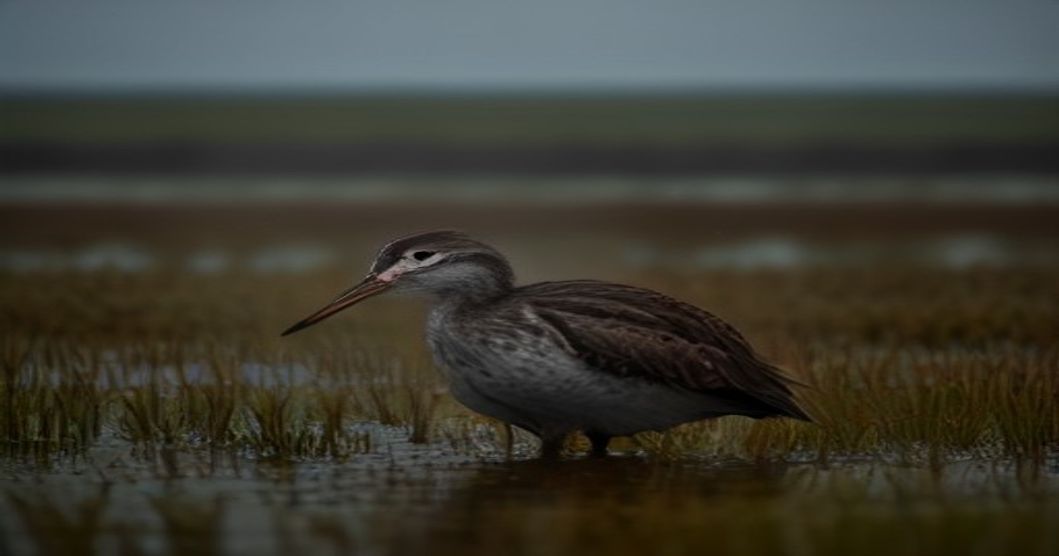
In the fascinating world of avian wildlife, few birds possess the secretive charm of the Jack Snipe. Scientifically known as Lymnocryptes minimus, this name translates gracefully from Latin and Greek roots to mean ‘smallest marsh-hider.’ True to its moniker, this tiny wading bird is an absolute master of camouflage, often going completely unnoticed by even the most observant wildlife enthusiasts.
The Art of Evasion
What makes the Jack Snipe truly remarkable from an ornithological perspective is its unique behavioral adaptation to danger. Unlike many other species that will take immediate flight when approached, the Jack Snipe prefers to freeze. It relies heavily on its intricate, patterned plumage to blend seamlessly into the reeds and mud of its wetland habitats. Often, it will wait until the very last possible second—sometimes until an observer is nearly stepping on it—before bursting into a rapid, zigzag flight to escape.
Habitat and Conservation
Found primarily in marshlands, bogs, and damp meadows during the winter months, the Jack Snipe requires pristine wetland ecosystems to thrive. As a veterinary and wildlife professional, emphasizing the preservation of these delicate habitats is crucial. Protecting our wetlands ensures that enigmatic, specialized species like the Jack Snipe continue to grace our natural landscapes with their mysterious presence for generations to come.