
Meet the Mola Mola
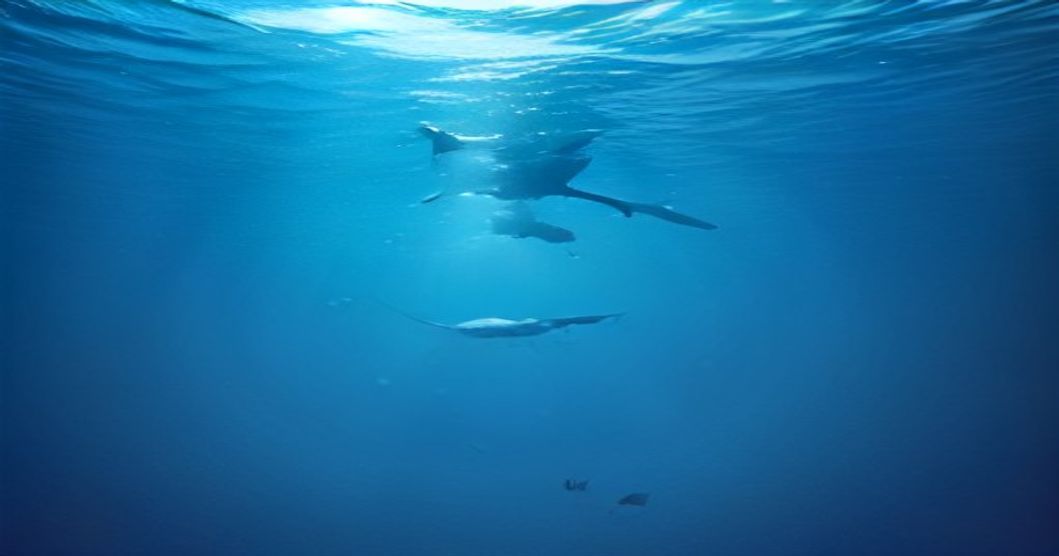
Venture into the deep blue and you might just cross paths with one of the ocean’s most fascinating and unusual residents: the ocean sunfish, scientifically known as the Mola mola. Often referred to as the moonfish due to its rounded, silvery silhouette, these gentle giants are frequently spotted cruising the coastal waters of Portugal and various temperate and tropical seas around the globe. Despite their bizarre appearance—consisting of a massive body that looks like it was abruptly chopped in half—they are remarkably graceful swimmers.
Record-Breaking Proportions
When it comes to sheer size, the sunfish is an absolute titan. These creatures can grow up to a staggering 3 meters in length, and exceptional specimens have tipped the scales at a record-breaking 2,235 kg, making them the heaviest of all bony fish. To sustain such massive bodies, their diet primarily consists of jellyfish, salps, and other gelatinous pelagic creatures found in the open ocean. Though jellyfish offer relatively low nutritional value, the sheer abundance of these floating meals allows the sunfish to reach such colossal proportions.
Extraordinary Reproductive Marvels
The life cycle of the ocean sunfish is nothing short of astounding. When it comes to reproduction, female sunfish hold a remarkable evolutionary record: they are capable of producing up to 300,000,000 eggs at a single time. This is more than any other vertebrate on Earth. However, due to the harsh realities of the open ocean ecosystem, only a tiny fraction of these microscopic larvae will survive to adulthood to continue the legacy of this incredible species.
Vulnerability in the Wild
Despite their intimidating size and thick, leathery skin, adult sunfish face significant natural threats. They are a favored prey item for apex marine predators, including majestic orcas, agile sea lions, and powerful sharks. Additionally, human activities such as commercial fishing and marine debris pose severe risks to their populations. As veterinary and marine conservation experts, understanding and protecting the delicate marine habitats of these gentle giants is vital to ensuring that the oceans retain their most uniquely captivating inhabitants for generations to come.