
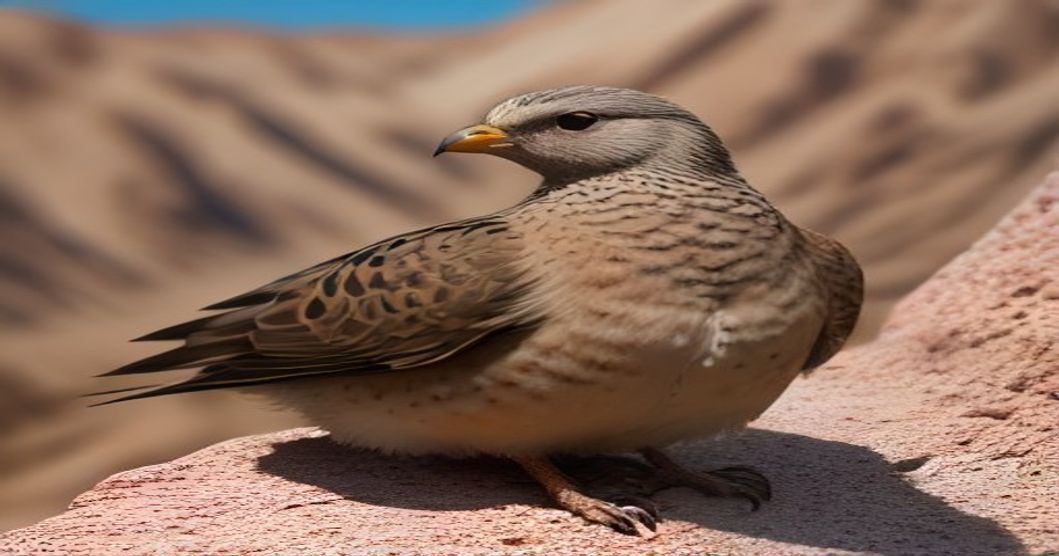
Introduction to the Desert Partridge
The Desert Partridge (Ammoperdix griseogularis) is a small, remarkably resilient gamebird native to the rugged terrain of Central and South Asia. Inhabiting some of the most unforgiving, sun-drenched environments on Earth, this avian species demonstrates the incredible power of evolutionary adaptation. From their subtle, earthy plumage to their specialized metabolic capabilities, Desert Partridges are true survivors of the arid wilderness.
Exceptional Camouflage: Nature’s Cloak of Invisibility
One of the most striking features of the Desert Partridge, especially observed when adult birds are caring for vulnerable chicks, is their extraordinary camouflage. Their sand-and-slate-toned feathers allow them to blend seamlessly into the gravelly, rocky slopes of their native foothills. When potential threats approach, their primary defensive tactic is simple yet profoundly effective: complete immobility. By remaining perfectly still among the rocks, adult partridges and their brood become virtually invisible to sharp-eyed aerial predators and land-based hunters alike.
Habitat and Environmental Niches
Thriving in environments that many animals would find uninhabitable, the Desert Partridge makes its home along dry wadis, stony hillsides, and sparse desert foothills. These habitats offer minimal cover and extreme temperature fluctuations. However, the birds use the natural contours of the rocky terrain for shelter, nesting in small scrapes on the ground tucked beneath boulders or sparse scrub vegetation to shield their young from extreme heat and predator surveillance.
Dietary Adaptations and Hydration Survival
In regions where standing open water is scarce or seasonally nonexistent, the Desert Partridge has adapted a dietary strategy centered around efficiency. Their diet consists predominantly of seeds, fallen grains, wild shoots, and various plant-based foods. Fascinatingly, these birds possess the unique biological capability to survive for extended periods without direct sources of drinking water. Instead, they efficiently extract necessary metabolic moisture directly from the moisture-rich plants, seeds, and occasional insects they consume.
Extensive Insights for Avian Enthusiasts and Wildlife Health
From a veterinary and ecological perspective, species like Ammoperdix griseogularis offer vital insights into avian physiological resilience and desert ecology. Their ability to regulate moisture, maintain clutch safety in open, harsh environments, and raise chicks under severe climatic conditions highlights the delicate balance of desert ecosystems. Protecting their natural rocky habitats ensures that these masters of camouflage continue to flourish in the wild landscapes of Asia.