
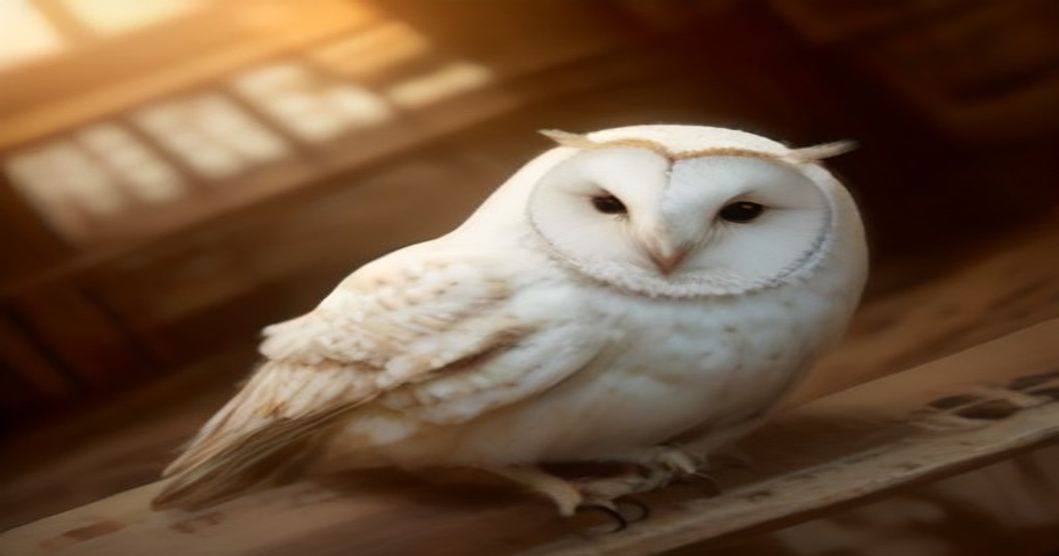
Introduction to the Global Barn Owl
Barn owls (Tyto alba) are truly remarkable avian species, inhabiting every continent on Earth except Antarctica. Across Europe, these majestic raptors can be spotted in various regions, including parts of the picturesque Baltic coast. Renowned for their heart-shaped faces and silent flight, they play a crucial ecological role in controlling rodent populations.
Courtship, Nesting Habits, and Reproduction
The journey of a new generation begins with the male barn owl, who meticulously selects the nesting site and actively attracts the female using harsh, shrill calls. Interestingly, these birds do not build a traditional nest. Instead, they require an enclosed, dark environment such as a natural tree hollow, a secluded burrow, an abandoned building, or an attic. They will also frequently repurpose the old nests of other large bird species.
Growth and Development of Barn Owl Chicks
Upon hatching, the vulnerable chicks are covered in soft white down and are entirely dependent on their dedicated parents for warmth and food. As they grow, their developmental milestones happen rapidly: after 35 to 45 days, the curious youngsters begin exploring and leaving the immediate nest area. By 50 to 55 days, they start learning the vital art of flight. Finally, they achieve full independence from their parents at around 3 months of age.
Avian Health and Fun Facts
As avian health and wildlife experts note, barn owls possess extraordinary physiological adaptations. In addition to their acute sense of hearing, barn owls boast phenomenal night vision, allowing them to see in the dark about as well as most humans can during broad daylight! 🦉🌙