
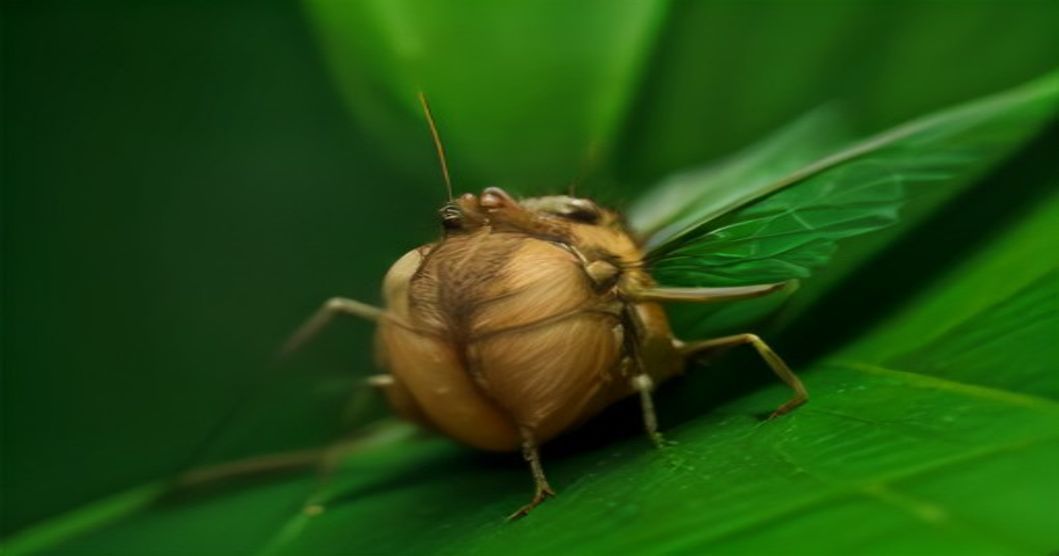
Introduction to the Sanaa Bush Cricket
The Sanaa bush cricket (Sanaa intermedia) is one of the most fascinating and visually striking insects inhabiting the lush tropical rainforests of Southeast Asia. Spanning regions across Indochina, Vietnam, and potentially parts of Indonesia, this remarkable species captures the attention of entomologists, photographers, and exotic insect enthusiasts alike. Despite its widespread presence in photographic collections and private displays, remarkably little is known about the wild ecology and specific life cycle of this enigmatic orthopteran.
Physical Characteristics and Sexual Dimorphism
One of the most striking features of the Sanaa bush cricket is its impressive size and pronounced sexual dimorphism. Females of this species are exceptionally large, boasting a remarkable wingspan of up to 135 mm. In contrast, males are significantly smaller in stature. Like the vast majority of true bush crickets, Sanaa intermedia is presumed to be polyphagous, utilizing its robust mandibles to feed on a diverse array of tropical plant foliage in its natural habitat.
Fascinating Defensive Behavior
When confronted by potential predators, the Sanaa bush cricket relies on an extraordinary behavioral adaptation rather than simply fleeing. Instead of jumping or flying away immediately, this species stands its ground. It opens its large front wings, rises up menacingly, and displays its brilliantly colored hind wings while swaying from side to side. While these crickets are entirely harmless and lack any real physical weaponry to injure a predator, this sudden and vibrant visual display is remarkably effective at startling inquisitive small birds and sending them fleeing into the rainforest canopy.
Conclusion and Conservation Outlook
The Sanaa bush cricket remains a true marvel of Southeast Asian biodiversity. Its unique blend of impressive coloration, dramatic defensive displays, and sheer scale makes it a subject of great curiosity. As researchers continue to study the delicate ecosystems of Indochina and Vietnam, we hope to uncover more insights into the biology, dietary needs, and conservation status of this captivating rainforest dweller.