
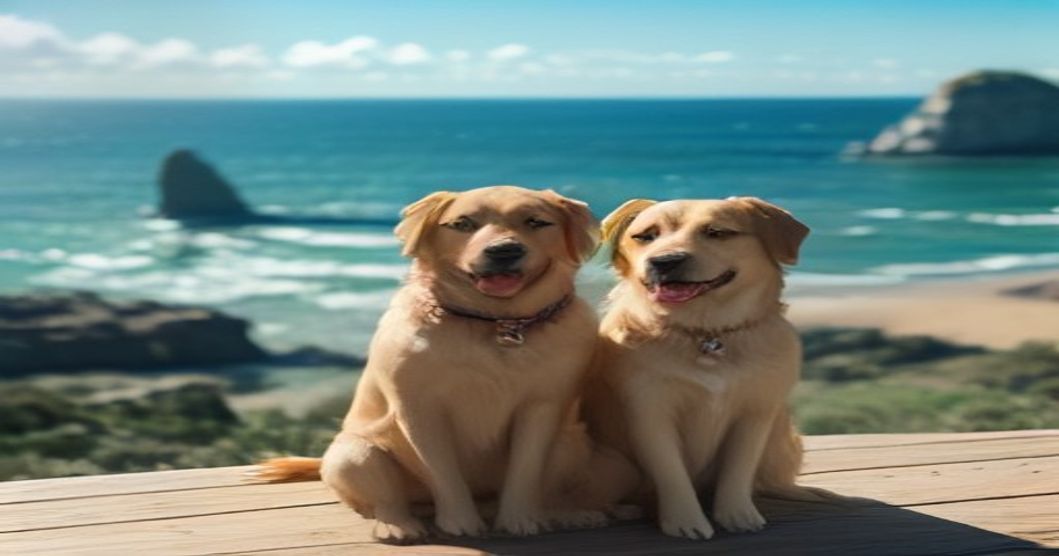
The Great Ocean Road is one of the most breathtaking coastal drives in the world, offering dramatic limestone cliffs and turquoise waters that elicit a genuine “Wow” from every traveler. For many pet owners, sharing this iconic Australian experience with a four-legged friend is the ultimate adventure. However, taking your dog on such a journey requires careful veterinary preparation to ensure their health and safety remain a top priority amidst the rugged landscape.
Pre-Travel Veterinary Health Assessment
Before hitting the pavement, schedule a comprehensive check-up with your veterinarian. Ensure your pet is up-to-date on all core vaccinations and, crucially, protected against local environmental threats. The coastal regions of Victoria are known habitats for various parasites. Ensure your dog has received potent heartworm prevention and a high-quality tick treatment; paralysis ticks are a significant concern in bushy coastal corridors and can lead to life-threatening respiratory failure if not addressed.
Navigating Wildlife and Environmental Hazards
The Great Ocean Road is home to diverse Australian wildlife, from koalas in the manna gums to kangaroos in the scrub. While these sightings are exciting, they can trigger a strong prey drive in dogs. Keep your pet on a sturdy lead at all times to prevent them from wandering into thickets where snakes, such as the Eastern Brown or Tiger snake, may be basking. Furthermore, the dramatic cliff edges that provide such stunning views are extremely hazardous for an unrestrained animal. Always maintain a safe distance from the verge.
Hydration and Heatstroke Prevention
The Australian sun can be unforgiving, even with a cool ocean breeze. Dehydration and heatstroke are the most common emergencies seen by coastal vets during the summer months. Always carry a portable water bowl and at least two liters of fresh water specifically for your pet. Be aware of the signs of heat stress: excessive panting, dark red gums, and lethargy. If you notice these symptoms, seek shade immediately and contact the nearest veterinary clinic in towns like Torquay or Apollo Bay.
Identifying Pet-Friendly Coastal Spots
While many National Parks along the route have strict “no pet” policies to protect native fauna, there are numerous pet-friendly beaches and off-leash areas in coastal towns. Towns such as Lorne and Port Campbell offer wonderful opportunities for your pet to stretch their legs. Always check local council signage to ensure you are in a designated pet area, and remember to pack biodegradable waste bags to keep the pristine coastline clean for everyone.