
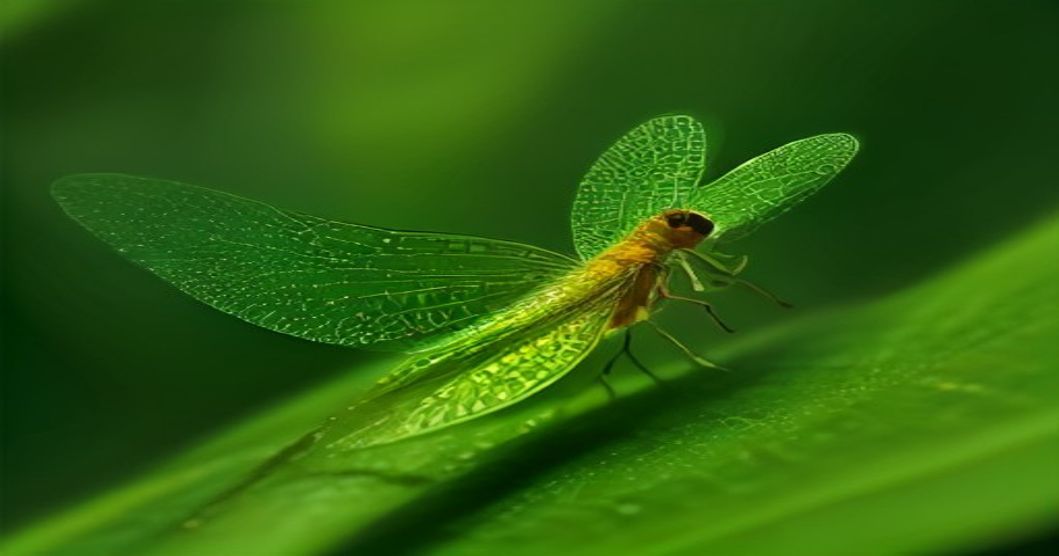
Among the vast array of creatures in the insect world, few possess a life story as poignant and dramatic as the mayfly. Belonging to the ancient order Ephemeroptera—a name derived from the Greek words ‘ephemeros’, meaning lasting only a day, and ‘pteron’, meaning wing—these delicate insects are renowned for having one of the shortest adult lifespans on Earth. Spanning back over 300 million years, mayflies offer a fascinating glimpse into evolutionary specialization driven purely by the continuation of life.
A Brief Existence: Designed Purely for Reproduction
The most striking aspect of an adult mayfly’s life is its absolute brevity. Once they undergo their final metamorphosis into adults, their sole purpose is reproduction. Remarkably, adult mayflies lack functional mouthparts, jaws, and a digestive system. Because they do not feed, their adult lives are powered entirely by energy stored during their aquatic nymph stage. Depending on the species, an adult mayfly may live for a few days, while others fulfill their destiny and perish in just a few short hours.
The Spectacular Swarm: Flight and Mating Rituals
During peak hatching seasons, mayflies emerge in massive numbers, creating mesmerizing natural phenomena. Swarms of millions of insects fill the air near rivers, lakes, and streams as males gather to attract mates. Their flight is instantly recognizable: a rhythmic, undulating dance consisting of rapid upward wing beats followed by graceful gliding descents. This aerial choreography is stabilized by their uniquely large wings and distinctive, elongated tail filaments.
Completing the Cycle: Ecological Significance
The mating ritual is swift. Shortly after mating in mid-air, male mayflies die. The females then deposit their eggs directly into the water, either dropping them onto the surface or diving beneath to attach them to aquatic vegetation. Having fulfilled their life’s mission, the females also perish. Though their adult presence is fleeting, mayflies play a vital role in local aquatic ecosystems. They serve as a crucial food source for fish, birds, and amphibians, and their presence is a reliable biological indicator of clean, unpolluted fresh water.