
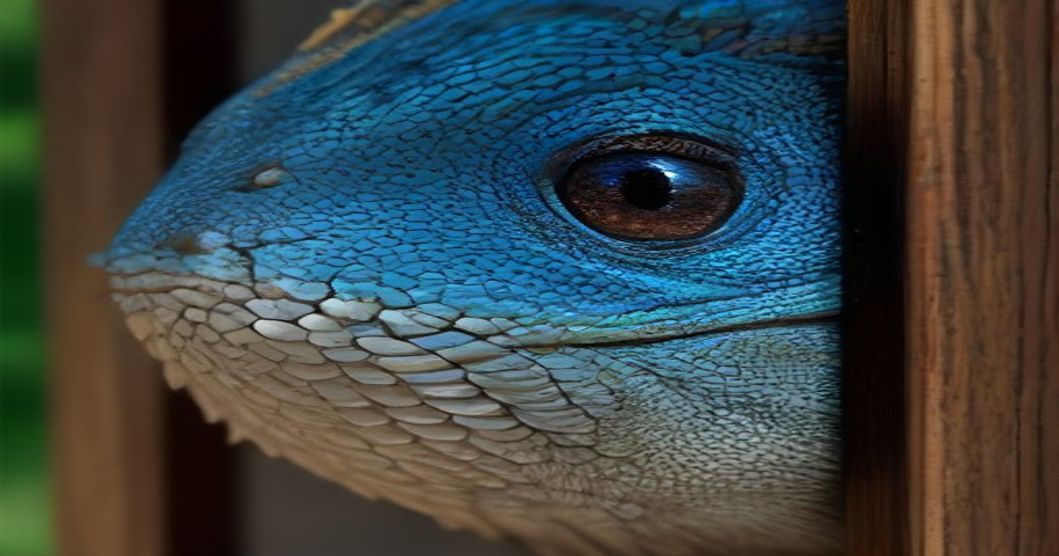
Among the diverse native reptiles of North America, the Eastern Fence Lizard (Sceloporus undulatus) stands out as a remarkably dynamic species. Found throughout the eastern and central regions of the United States, these agile reptiles inhabit a wide variety of terrains, from sun-baked rocky deserts to temperate forested slopes. Measuring between 10 and 19 centimeters in length, their modest physical footprint hides a spectacular behavioral display that highlights the wonders of reptilian biology.
A Mysterious Name and Diverse Habitat
Despite being one of the most frequently observed lizards in its native range, the origin of the common name ‘fence lizard’ remains somewhat of an enigma. While these creatures are often spotted basking in the sun atop wooden fences, stone walls, and tree trunks, herpetologists are still unsure of the exact historical reason behind the name. Regardless of nomenclature, their ability to navigate vertical structures makes them exceptionally adaptable to both wild woodlands and rural settings, where they serve as beneficial insectivores.
Summer Transformations: The Peacock of the Reptile World
For much of the year, Eastern Fence Lizards maintain a cryptic brown and gray coloration that blends seamlessly with tree bark and soil. However, as the summer breeding season arrives, male lizards undergo an extraordinary visual evolution. The undersides and flanks of the males transform into brilliant patches of iridescent blue and green, reminiscent of a peacock’s tail feathers. This vibrant pigmentation is driven by hormones and serves as a powerful visual signal during courtship and territorial defense.
Courtship Rituals and Territorial Showdowns
When two competing males meet during mating season, they engage in a fascinating ritualized showdown designed to intimidate rivals without physical harm. Extending their legs fully, the lizards elevate their bodies high above the substrate to display their glowing, blue-green bellies. They sidle slowly toward one another while performing rhythmic push-up motions. In most encounters, the weaker or less colorful male quickly recognizes the dominant opponent’s superior display and retreats, dazzled by the brilliant colors and dominant posture.