
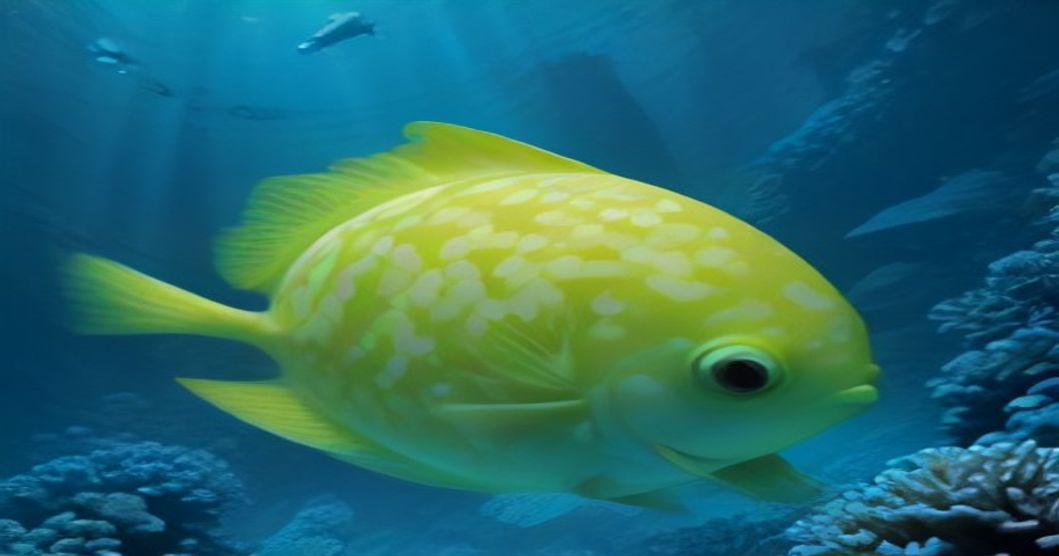
Introduction to the Yellow Boxfish
The Ostracion cubicus, commonly known as the Yellow Boxfish, is one of the most distinctive and captivating species inhabiting our oceans. Often mistaken for a quirky biological curiosity due to its cuboid shape, this fish is a marvel of evolutionary engineering. Found primarily in the tropical and subtropical reefs of the Indo-Pacific, the Yellow Boxfish serves as a prime example of how nature prioritizes structural integrity and defensive specialization through unique anatomical adaptations.
The Architecture of Bony Armor
Unlike most fish that rely on flexible scales and muscular movement for propulsion, the Yellow Boxfish possesses a rigid, box-like body. This unique anatomy is the result of a specialized bony armor known as a carapace. This structure is formed by fused hexagonal plates that create a solid, protective shell around the fish’s internal organs. While this rigidity limits the fish’s ability to flex its body, it provides an incredible defense against predators and a structural strength that has even inspired automotive designs and hydrodynamic research.
Growth and Development
As these fish mature, they undergo significant physiological and aesthetic changes. Juveniles are typically bright yellow with distinct black spots, a color scheme that serves as a warning (aposematism) to potential predators that they are not a typical prey item. As they grow to their full size of 30 to 50 centimeters, their color often fades to a more muted mustard or olive-brown, and the spots become smaller or more numerous. Despite their bulky and seemingly awkward appearance, they are surprisingly agile, using their small fins to hover and maneuver through complex coral environments with remarkable precision.
Natural Habitat and Defensive Biology
The Yellow Boxfish thrives in coral reef ecosystems, ranging from the Red Sea to the coasts of Africa and across the Pacific. Beyond their physical armor, these fish possess a chemical defense mechanism; when stressed or threatened, they can release a surfactant-like toxin called pahutoxin from their skin. This substance can be lethal to other fish in the vicinity, highlighting the importance of specialized care for those maintaining them in marine aquaria. Understanding the complex biology of the Ostracion cubicus reminds us of the incredible diversity and resilience found within our marine ecosystems.