
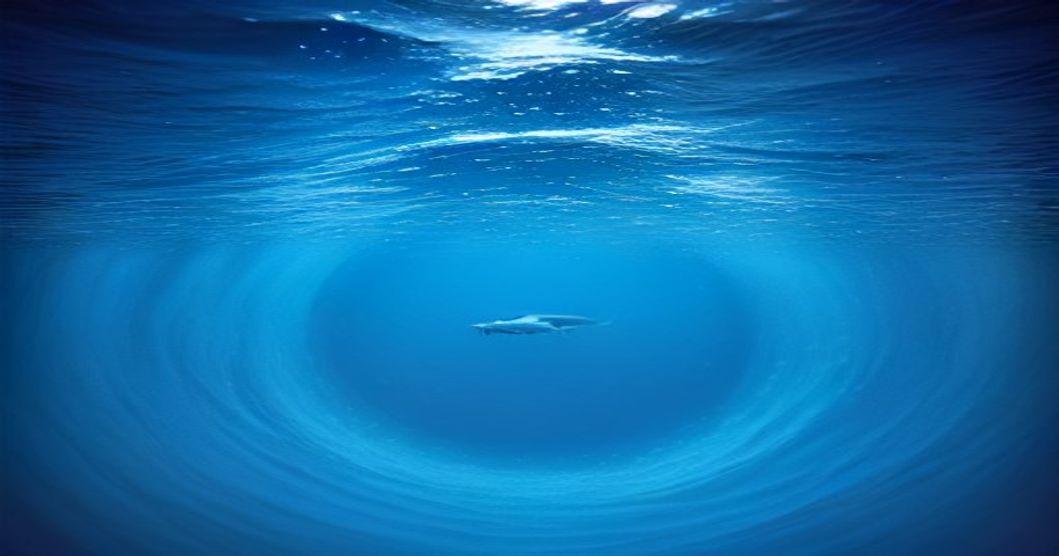
Discovering the Glaucus atlanticus
In the vast expanse of our world’s tropical oceans lies one of nature’s most breathtaking and elusive marvels: the Glaucus atlanticus, commonly known as the Blue Dragon or Sea Dragon. These mesmerizing pelagic creatures inhabit the delicate surface tension of the open water, presenting a striking visual display that captivates marine biologists and ocean enthusiasts alike.
Unique Adaptations for Pelagic Survival
Measuring a minuscule 5 to 40 millimeters in length, these tiny marvels have evolved extraordinary physiological mechanisms to thrive in their floating habitat. By swallowing air bubbles, the Blue Dragon maintains precise buoyancy, allowing it to move completely upside down on the water’s surface. Utilizing its silvery-blue belly to blend seamlessly with the sky from below and its deep blue back to camouflage against the ocean depths from above, it glides effortlessly across the waves.
Fascinating Mating Rituals and Behavior
Beyond their stunning morphology and survival strategies, Blue Dragons engage in complex and fascinating mating rituals. As simultaneous hermaphrodites, individuals must find a partner to exchange eggs, showcasing a delicate dance that highlights the intricate beauty of marine reproduction in open-ocean ecosystems. While undeniably beautiful, these creatures should always be admired from a safe distance, as they store stinging cells from their venomous prey for their own defense.