
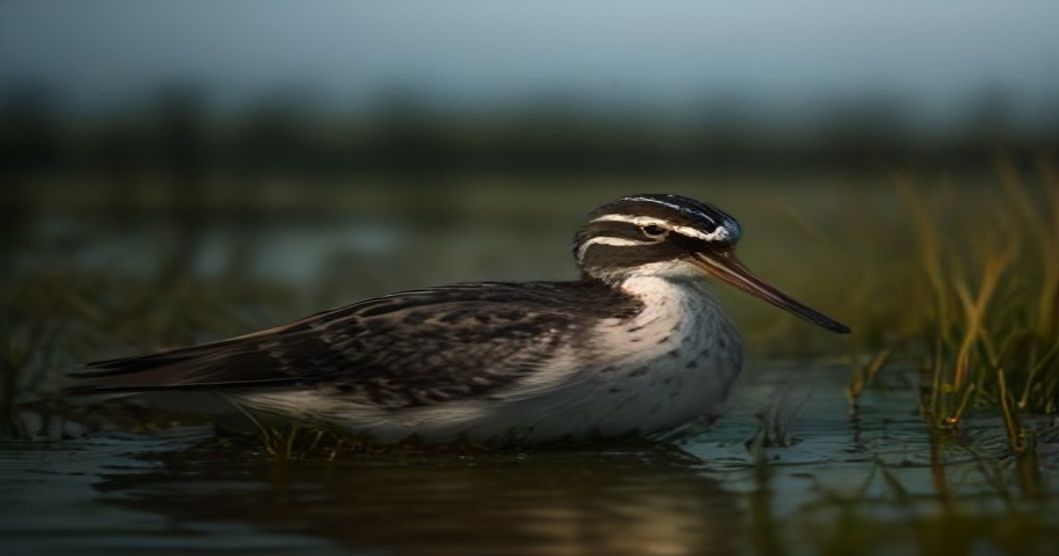
Meet the Master of Camouflage
In the fascinating world of avian wildlife, few species are as elusive and captivating as the Jack Snipe. Known scientifically as Lymnocryptes minimus, this remarkable bird has earned a reputation among ornithologists and wildlife enthusiasts alike for its incredible stealth. But what do we really know about this tiny marsh-dweller?
Decoding the Scientific Name
To truly appreciate this bird, we can look to its taxonomy. The scientific name Lymnocryptes minimus translates directly to “smallest marsh-hider.” This poetic moniker perfectly captures the essence of the Jack Snipe. The prefix highlights its preferred wetland habitat, while “minimus” nods to its remarkably petite stature compared to other related wading birds.
Behavior and Habitat: Why It Hides
Jack Snipes are notoriously difficult to spot in the wild. When faced with potential danger, rather than taking flight immediately like many other species, they tend to “freeze” and rely on their intricate, mottled plumage to blend seamlessly into the reeds and mud of their marshy homes. They will often wait until the very last possible second—sometimes almost being stepped on—before bursting into a swift, silent flight.
Conservation and Care for Wetland Ecosystems
As professionals in animal health and environmental conservation, understanding species like the Jack Snipe helps us advocate for fragile wetland ecosystems. Protecting these marshlands ensures that secretive, specialized species continue to thrive. Whether you are an avid birdwatcher or a passionate pet health advocate, appreciating all forms of animal life deepens our connection to the natural world.