
Discovering the Brazilian Jewel Tarantula
As a veterinarian and pet care expert, I often encounter fascinating exotic species, but few capture the imagination quite like the Brazilian Jewel Tarantula (Typhochlaena seladonia). This captivating tree-dwelling spider is renowned not only for its unique habits but also for being considered by many enthusiasts as the most beautiful spider in the world.
Natural Habitat and Unique Behavior
In the wild, this arboreal species constructs its clever home beneath loose tree bark. They create a specialized silk retreat featuring a trapdoor mechanism, patiently waiting for unsuspecting prey to wander close enough before launching a rapid and precise ambush.
Size and Diet Clarifications
Despite belonging to the tarantula family—historically dubbed “bird-eating spiders”—these petite arachnids do not consume birds. Their diet consists strictly of appropriately sized insects. When it comes to size, they are remarkably compact: adult males typically reach 3 to 4 cm, while females grow slightly larger at 4 to 6 cm in total leg span.
A Spectrum of Iridescent Colors
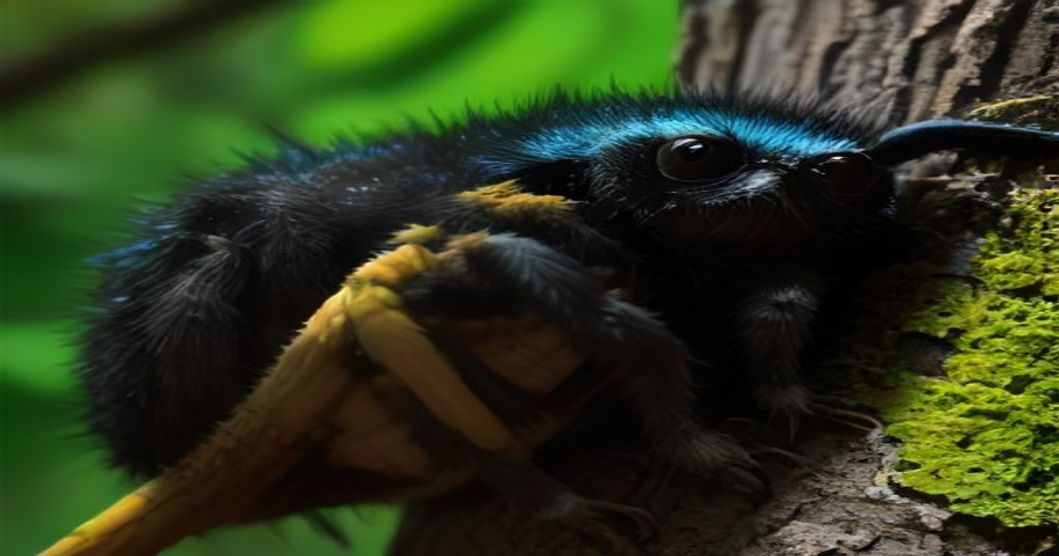
The common name “Jewel Tarantula” is richly deserved. Their extraordinary coloration boasts a breathtaking palette including black, electric blue, vibrant yellow, rich red, and delicate pink. Complementing this is their striking, iridescent two-toned leg structure.
The Purpose of Vibrant Warning Colors
Beyond mere aesthetics, the dazzling colors of the Brazilian Jewel Tarantula serve a crucial survival function. This vivid pigmentation acts as an aposematic warning to potential predators in the wild, signaling toxicity and deterring attacks from animals that might otherwise view them as a meal.