
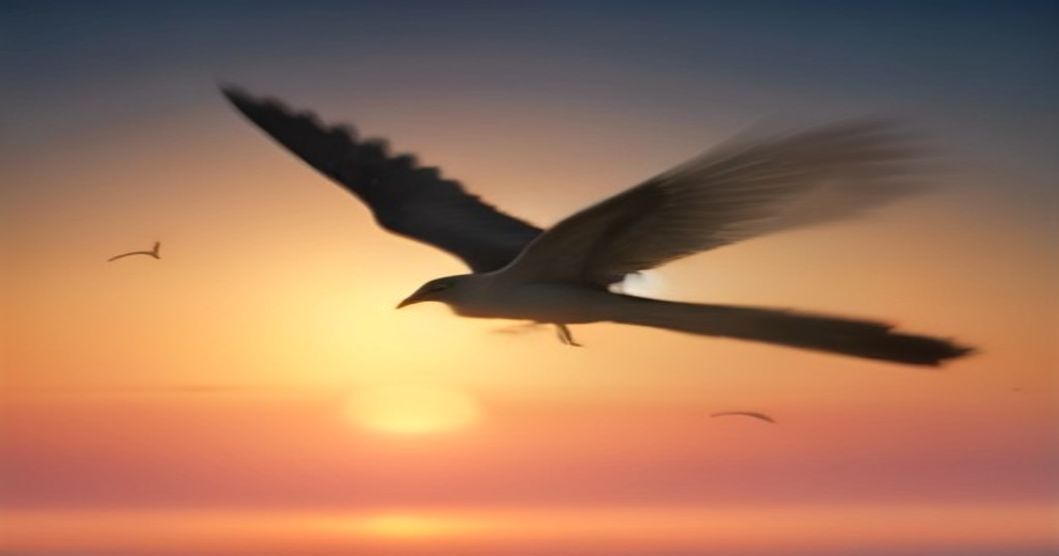
The Ultimate Aerial Nomads
Among the avian wonders of the natural world, few creatures command the skies with as much grace and specialization as the swift. These incredible birds spend almost their entire existence airborne, eating, mating, and even sleeping while drifting high above the Earth. Biological Marvels of flight, swifts embody the pinnacle of evolutionary adaptation for an aerial lifestyle.
Living and Sleeping on the Wing
Perhaps the most mind-boggling characteristic of the swift is its ability to remain airborne for up to ten months continuously without ever touching down. But how do they rest? Researchers have discovered that swifts engage in unihemispheric slow-wave sleep, resting one half of their brain at a time while maintaining altitude and navigation with the other. By riding warm air currents, known as thermals, up to high altitudes at dusk, they can safely glide and sleep without the fear of colliding with obstacles or predators.
Unmatched Speed and Aerodynamic Adaptations
Swifts are engineered for extreme performance. With their long, crescent-shaped wings and streamlined bodies, they can reach astonishing speeds of up to 110 miles per hour in level flight. Their anatomy is so specialized for flying that their scientific family name, Apodidae, translates to ‘footless.’ While they do possess small, strong feet suited for clinging to vertical surfaces like cliff faces and brick walls, their legs are far too short to allow them to walk or hop on flat ground effectively.
What to Do If You Find a Grounded Swift
Because of their exceptionally short legs and long wings, a swift that accidentally lands on flat ground often struggles to gain enough lift to take off independently. A common misconception is that a grounded swift should be tossed high into the air to jumpstart its flight. However, wildlife veterinarians strongly advise against throwing these delicate birds, as an underlying injury or exhaustion could cause them to crash and sustain further trauma.
If you encounter a grounded swift, gently place it on an open palm elevated above the ground outdoors or hold it carefully against a vertical trunk or wall. If the bird is healthy and simply needs elevation, it will take off on its own. If it remains motionless or appears injured, place it in a safe, dark, ventilated box lined with paper towels and contact a local wildlife rehabilitator or veterinarian immediately.
Preserving an Avian Wonder
Swifts are vital to our ecosystem, acting as natural pest controllers by consuming thousands of flying insects daily. Understanding their unique needs and respecting their highly specialized biology ensures that these miraculous aviators continue to rule the skies for generations to come.