
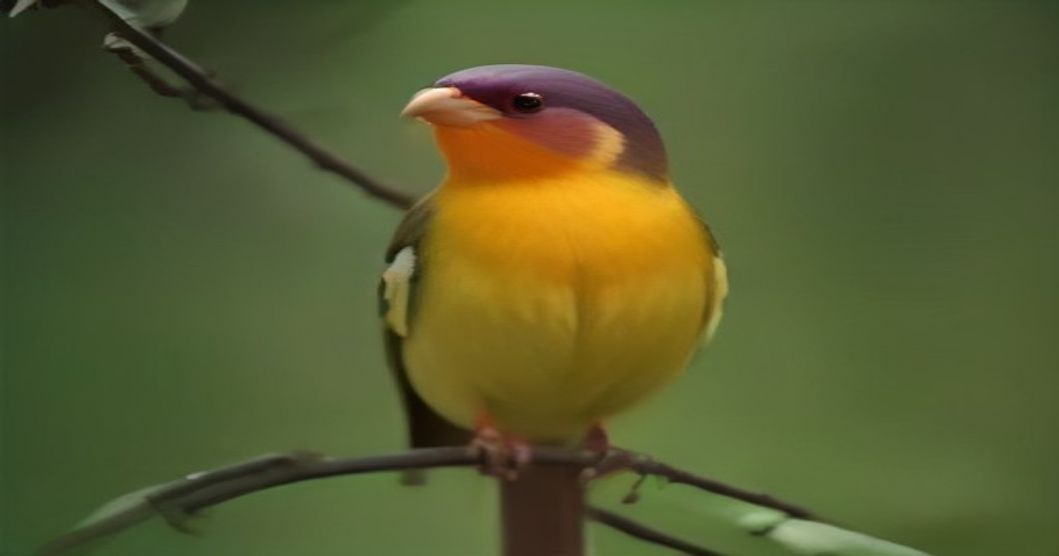
An Avian Masterpiece: Introducing the Gouldian Finch
The Gouldian Finch (Erythrura gouldiae), a striking member of the estrildid finch family native to the tropical northern regions of Australia, is widely regarded as one of the most dazzling avian species on Earth. Frequently referred to as the Lady Gouldian Finch or rainbow finch, this tiny bird captivates enthusiasts worldwide with its brilliant contrast of vivid hues. While globally celebrated in aviculture as a beloved decorative bird, understanding its unique biology, history, and special health requirements is essential for providing optimal care.
A Heartfelt Legacy: History and Discovery
This remarkable species was first documented by the famous British naturalist and wildlife illustrator John Gould during his extensive expeditions across Australia in the 1830s. Deeply moved by the bird’s extraordinary beauty, Gould named it the Lady Gould’s Amadine in loving memory of his wife, Elizabeth Gould. Elizabeth, who had accompanied him on these grueling journeys and illustrated much of his work, tragically passed away shortly after returning to England. Today, the bird remains a living testament to her enduring legacy in natural history.
Genetics and Color Variations: Polymorphism in Action
One of the most fascinating ecological features of the Gouldian Finch is its head color polymorphism. In wild populations, three distinct color variations exist on the top of the head: black-headed, red-headed, and the far rarer yellow-headed (or orange-headed) variant. Interestingly, despite these dramatic visual differences, all variants belong to the exact same species and interbreed freely in the wild. Because these morphs regularly interbreed without reproductive isolation, scientists do not classify them as separate subspecies, making them a fascinating study in avian genetics.
Conservation Status in the Wild
Despite their abundance in captivity around the world, wild populations of the Gouldian Finch have suffered dramatic declines in their native Australian habitats. Factors such as habitat alteration, fire regime changes, and susceptibility to air-sac mites have severely impacted their numbers. Consequently, conservation organizations like the IUCN historically classified the species as endangered. While targeted conservation initiatives and fire-management strategies are aiding their recovery, protecting their wild ecosystem remains a critical priority.
Veterinary and Husbandry Considerations for Keepers
For those considering keeping these brilliant birds, specialized care is crucial. As tropical birds, Gouldian finches are particularly sensitive to ambient temperature fluctuations and drafty environments, requiring a warm, stable climate. From a veterinary perspective, they are prone to respiratory parasites such as air-sac mites (Sternostoma tracheacolum), which require prompt diagnosis and treatment. Providing a spacious flight cage, a balanced seed diet supplemented with fresh greens, minerals, and clean water will ensure these spectacular companions thrive for years to come.