
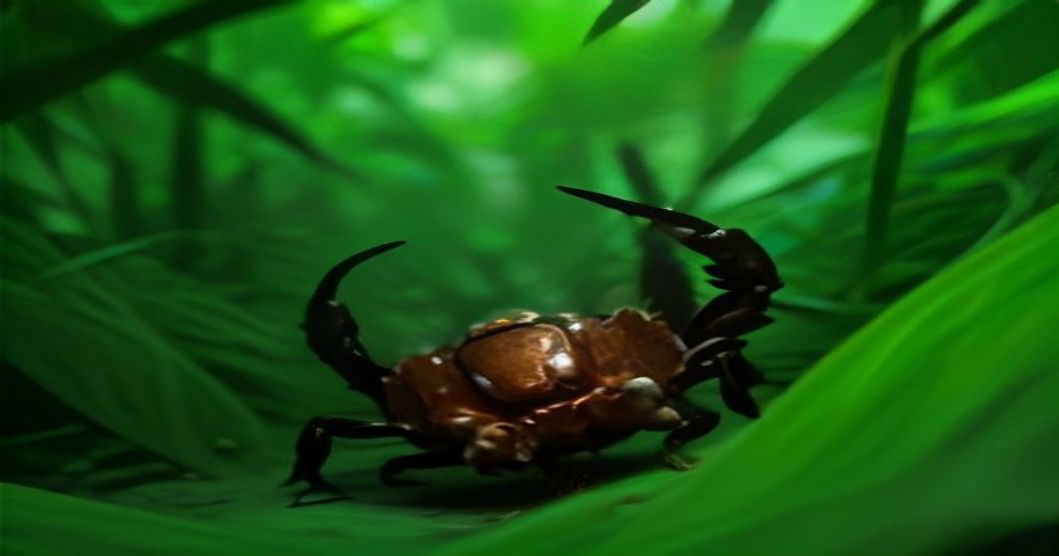
When exploring the fascinating world of exotic arthropods, few creatures capture the imagination quite like the Coconut Crab (Birgus latro). Despite its common moniker, this remarkable animal actually belongs to the hermit crab family, standing out as one of the largest land-living arthropods on the planet.
Anatomy and Impressive Strength
Adult coconut crabs are true giants of the invertebrate world. Their robust bodies can reach up to 40 centimeters in length, and they can weigh a staggering 4 kilograms. Equipped with immensely powerful claws, these land crabs can exert enough force to crush small bones, allowing them to easily crack open tough coconuts—their signature food source.
A Dramatic Metamorphosis
The life cycle of the coconut crab is a tale of two worlds. In their youth, they closely resemble regular hermit crabs, carrying a protective shell and spending the majority of their time submerged in water. However, once they transition out of their larval state and make the permanent move onto land, their anatomy changes irreversibly. Adult coconut crabs lose their ability to breathe in water; if thrown into the ocean, these terrestrial giants will actually drown.
Island Legends and Sensory Marvels
Endowed with an extraordinary sense of smell, the coconut crab is a legendary scavenger often dubbed the “robber crab” for its habit of absconding with shiny objects or food left unattended. Native to the islands of the Pacific and Indian Oceans, this incredible species continues to inspire folklore and awe among locals and animal enthusiasts alike.