
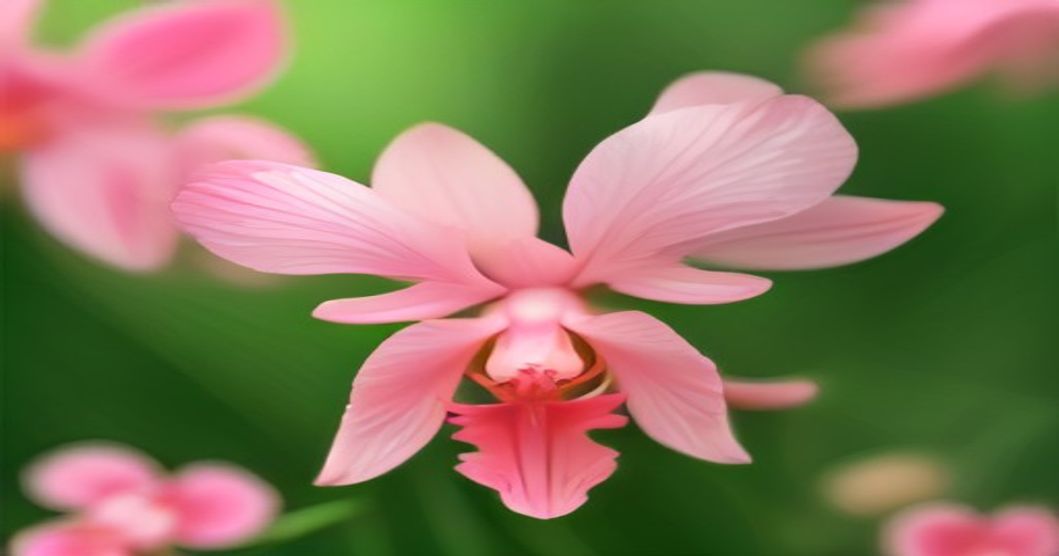
When we think of master camouflage artists in the animal kingdom, chameleons and geckos often come to mind. However, the insect world holds one of the most astonishing examples of evolutionary adaptation: the Orchid Mantis (Hymenopus coronatus). Native to the lush tropical rainforests of Southeast Asia, this mesmerizing creature is world-renowned for its mastery of aggressive mimicry.
The Art of Aggressive Mimicry
Unlike defensive camouflage, which animals use to hide from predators, aggressive mimicry is a predatory strategy where a hunter resembles a harmless, attractive, or beneficial species to lure unsuspecting prey. In the case of the female orchid mantis, her entire body has evolved to replicate the delicate petals and vibrant hues of tropical orchids.
Remarkably, female orchid mantises are so striking and convincing that they can actually outcompete real flowers when it comes to attracting pollinating insects. Bees, butterflies, flies, and crickets approach the mantis willingly, mistaking its specialized lobes and limbs for a rich nectar source—a fatal mistake.
Sexual Dimorphism: Size and Lifespan
One of the most fascinating aspects of the orchid mantis is the dramatic difference between the sexes, known as sexual dimorphism:
- Females: Growing up to a substantial 6 cm in length, females are nearly twice the size of males. They boast vibrant, flower-like coloration, mature at a much slower rate, and enjoy a longer lifespan of up to 8 months.
- Males: Much smaller and more inconspicuous, males develop much quicker, have a shorter lifespan of about 5 to 6 months, and generally play a more passive role in hunting, often relying on stealth rather than floral mimicry.
As true marvels of entomology, orchid mantises continue to captivate biologists, pet enthusiasts, and nature lovers alike. Their breathtaking beauty combined with lethal hunting prowess makes them one of the most extraordinary predators on Earth.