
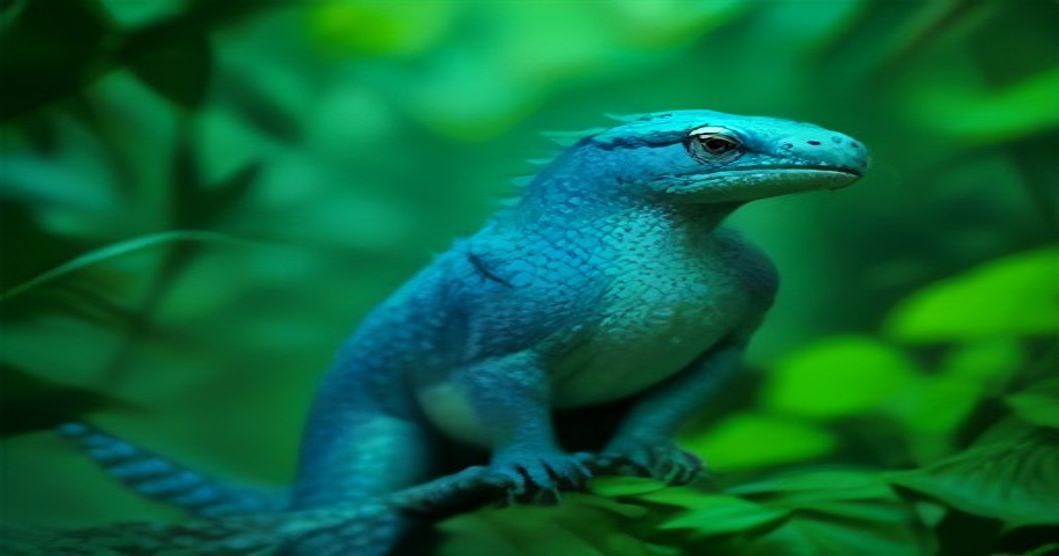
Introduction to the Blue Komodo Pit Viper
The Blue Komodo Pit Viper (Trimeresurus insularis) stands as one of the most mesmerizing and elusive reptiles in the herpetological world. Endemic to the Lesser Sunda Islands in Indonesia, this striking serpent captivates scientists and reptile enthusiasts alike with its breathtaking coloration and fascinating ecological adaptations.
Stunning Variations and the Rare Sea-Wave Morph
While various islands in Indonesia host individuals displaying vibrant green, yellow, and orange colorations, the true crown jewel of the species is found on Komodo Island. Here resides the rarest variant: a magnificent sea-wave-colored snake. Complemented by their striking, dark red eyes, these vipers are a true marvel of natural camouflage and aesthetic beauty.
Habitat, Behavior, and Diet
As exceptional climbers with a predominantly arboreal lifestyle, these pit vipers spend a significant portion of their lives navigating the canopy and branches of their island habitats. Their diet consists primarily of small rodents, frogs, lizards, and birds, utilizing their specialized hunting strategies and heat-sensing pits to locate prey in the tropical foliage.
Venom Potency and Medical Significance
While bites from the Blue Komodo Pit Viper rarely result in fatal outcomes for humans, they are not to be underestimated. Their potent venom inflicts severe localized pain, swelling, tissue necrosis, and significant bleeding, both externally and internally. A fascinating biochemical feature of their venom is a unique enzyme that induces rapid blood clotting, cementing its status as one of the most potent and studied venoms among pit vipers.