
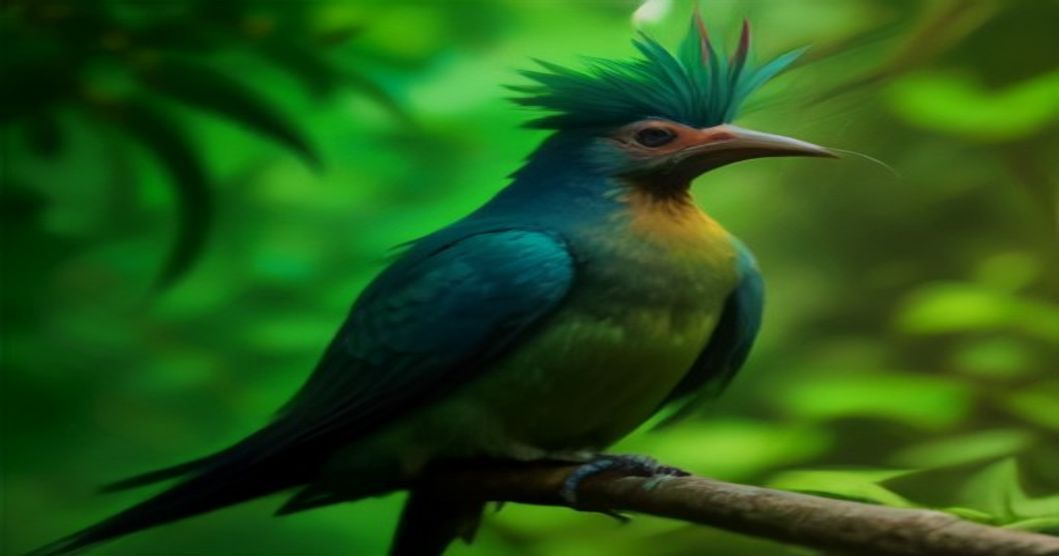
When it comes to avian beauty, few species capture the imagination quite like the Guinea Turaco (Tauraco persa). Recognized by its striking crest and vibrant plumage, this arboreal masterpiece is a fascinating subject for both ornithologists and advanced aviculturists alike. As a professional veterinarian and pet care expert, I always encourage enthusiasts to understand the natural history of these magnificent creatures to provide the highest standard of captive care.
Natural Habitat and Arboreal Lifestyle
Like all members of the turaco family, the Guinea Turaco spends the vast majority of its life high in the forest canopy. These birds are uniquely adapted for an arboreal existence, rarely descending to the forest floor except to drink or bathe. Rather than relying on strong, sustained flight—for which they are poorly suited—turacos are acrobatic climbers, effortlessly hopping and running from branch to branch with remarkable agility.
Specialized Dietary Requirements
In the wild, the diet of the Guinea Turaco is predominantly frugivorous. They consume a wide variety of tropical fruits, including dates, wild figs, musangi, ficus, macarangas, rauwolfia, cissus, and nightshade berries. In addition to fruit, these birds supplement their nutritional intake with flowers and buds. For those keeping turacos in captivity, mimicking this specialized, low-iron, high-fruit diet is paramount to preventing nutritional diseases such as iron storage disease, a common challenge in softbill management.
Anatomy and the Miracle of Structural Coloration
Physically, the Guinea Turaco strikes a balance between delicate grace and moderate presence. Measuring approximately 40 cm in length, it maintains a surprisingly lightweight frame of just 250 to 300 grams. One of the most fascinating fun facts about turacos is their coloration: unlike most birds that derive their greens and blues from diet-based pigments, turacos possess unique feathers where these brilliant hues are created through light refraction within the feather structure itself—a stunning evolutionary phenomenon known as structural coloration.