
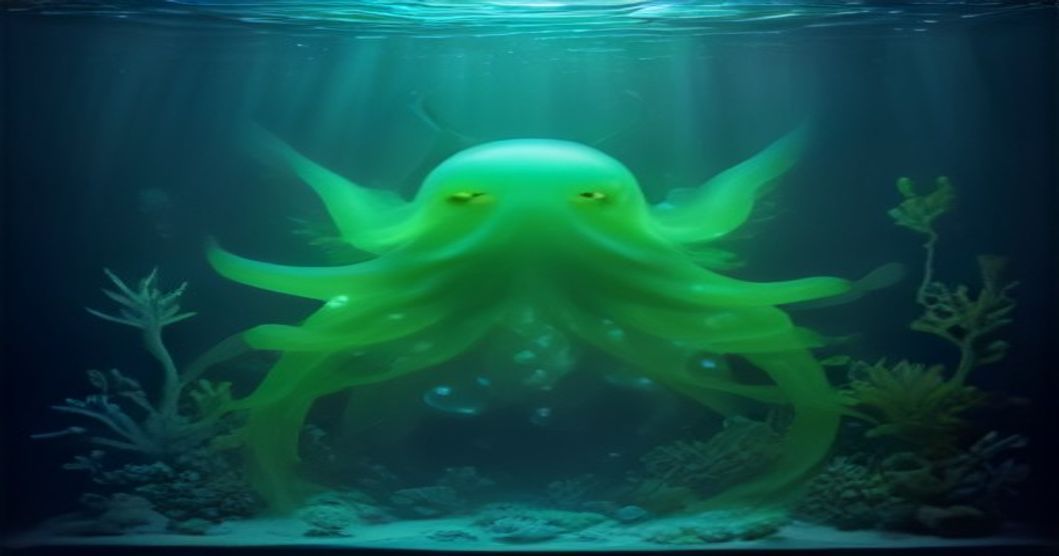
A Rare Encounter in the Deep Sea
Marine research has once again captivated animal lovers and science enthusiasts alike. Researchers from the Schmidt Ocean Institute recently captured a breathtaking and exceptionally rare sighting of the elusive Glass Octopus (Vitreledonella richardi). Cruising at a staggering depth of 651 meters within the remote Phoenix Islands archipelago, this ethereal cephalopod offered scientists a fleeting glimpse into a world that remains largely hidden from human eyes.
The Anatomy of a Transparent Marvel
True to its name, the Glass Octopus is almost entirely transparent, revealing an astonishing view of its internal biological systems. Observers can distinctly see its optic nerve, eyes, and digestive tract encased within a gelatinous, clear mantle. Adding to its unique beauty are tiny, yellowish spots known as chromatophores. Unlike other cephalopods that use chromatophores for rapid camouflage, the purpose of these cells in the nearly invisible Glass Octopus remains a subject of ongoing scientific study.
Mysteries of the Deep Ocean
Despite its striking appearance, the Glass Octopus is a creature of profound mystery. Because of the extreme depths it inhabits, encounters with Vitreledonella richardi are exceptionally rare, leaving marine biologists with limited data regarding its population size, lifespan, and reproductive habits. Discoveries like this remind us of how much is still left to learn about our planet’s vast ocean ecosystems and the delicate, resilient species that call the deep sea their home.