
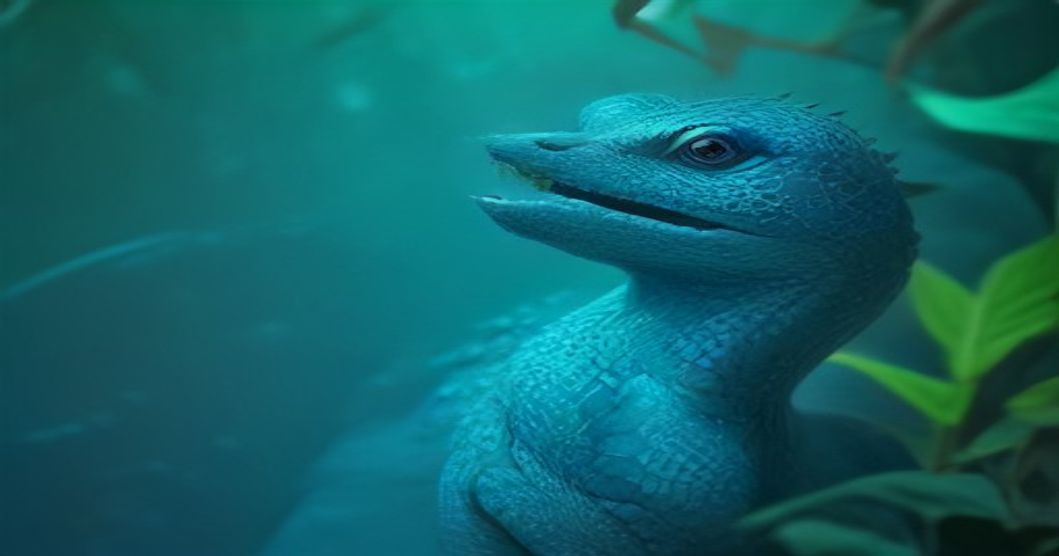
Introduction to the Blue Komodo Pit Viper
The Blue Komodo Pit Viper (Trimeresurus insularis) stands as one of the most mesmerizing and striking reptiles in the world. Endemic to the Lesser Sunda Islands in Indonesia, this species captures the fascination of herpetologists, wildlife enthusiasts, and pet care experts alike. While various islands host individuals displaying vibrant green, yellow, and orange colorations, the elusive sea wave-colored blue morph found specifically on the island of Komodo remains the rarest and most sought-after variety.
Physical Characteristics and Arboreal Lifestyle
One of the most distinctive features of this venomous beauty is its piercing dark red eyes, which contrast sharply against its shimmering blue scales. As exceptional climbers, these pit vipers exhibit heavily arboreal tendencies, spending a significant portion of their lives high in the canopy or among dense shrubbery. In the wild, their diet primarily consists of frogs, small rodents, lizards, and birds, which they ambush with remarkable precision.
Understanding Their Potent Venom
While bites from the Blue Komodo Pit Viper rarely result in fatal outcomes for humans, they should never be underestimated. Their venom induces severe localized pain, rapid swelling, tissue necrosis, and significant hemorrhage, including dangerous internal bleeding. A fascinating biomedical fun fact: the venom of the Komodo Pit Viper contains a unique enzyme that triggers rapid blood clotting, cementing its status as one of the most potent and scientifically intriguing venoms among all pit viper species.
Conservation and Ethical Considerations
As wild animals with complex husbandry requirements and medically significant venom, Blue Komodo Pit Vipers are strictly unsuited for novice reptile keepers. Maintaining their health in specialized zoological or expert setups requires meticulous attention to humidity, temperature, and safety protocols. Appreciating these magnificent creatures is best done through conservation and ethical observation, ensuring their populations continue to thrive in their native Indonesian habitats.