
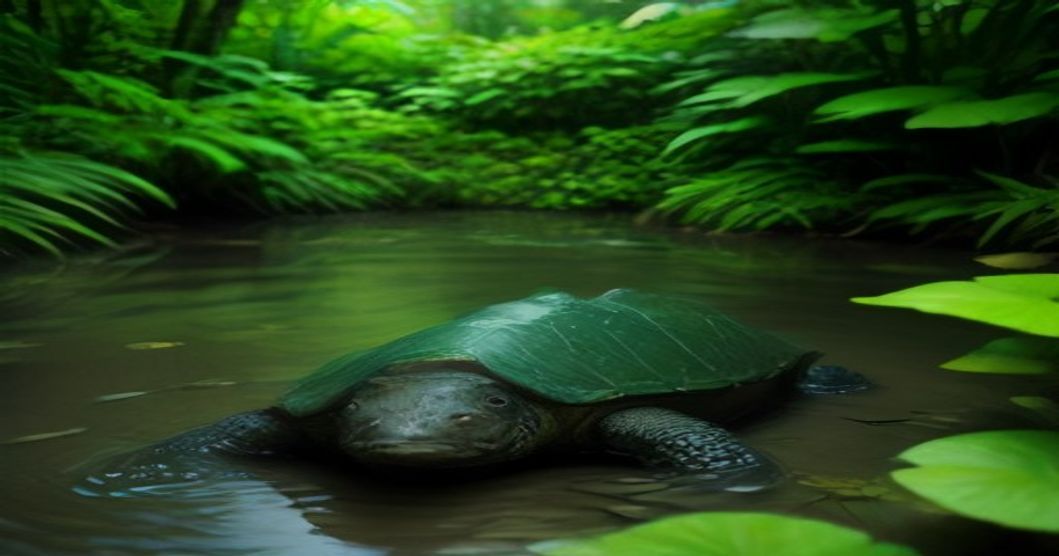
Meet the Remarkable Snapping Turtle
Scientifically known as Chelydra serpentina, the Common Snapping Turtle is one of North America’s most recognizable and resilient freshwater reptiles. Earning its name from its formidable defensive snapping behavior when handled or cornered, this species commands respect from wildlife enthusiasts and pet caretakers alike.
Physical Characteristics and Size
As a substantial aquatic creature, the snapping turtle can grow up to 35 centimeters in shell length and typically weighs around 14 kilograms, though exceptional specimens can reach an impressive 30 kilograms. Their powerful jaws, rugged shells, and notably long necks make them uniquely adapted to their environment.
Behavior and Defense Mechanisms
When feeling threatened on land, where they are more vulnerable, these turtles do not retreat into their shells like other species. Instead, they stand their ground, stretching their long necks forward to deliver a swift, defensive bite. In the water, however, they are generally quite docile and prefer to swim away from potential danger.
Winter Survival and Cold Hardiness
As ectotherms, snapping turtles undergo brumation during the winter months, burying themselves in the mud at the bottom of ponds, lakes, and slow-moving rivers. In northern habitats, this period of dormancy can span from October all the way to May. Surprisingly, these hardy reptiles exhibit remarkable cold tolerance and can occasionally be observed actively swimming beneath the ice or even walking across frozen surfaces during winter thaws.